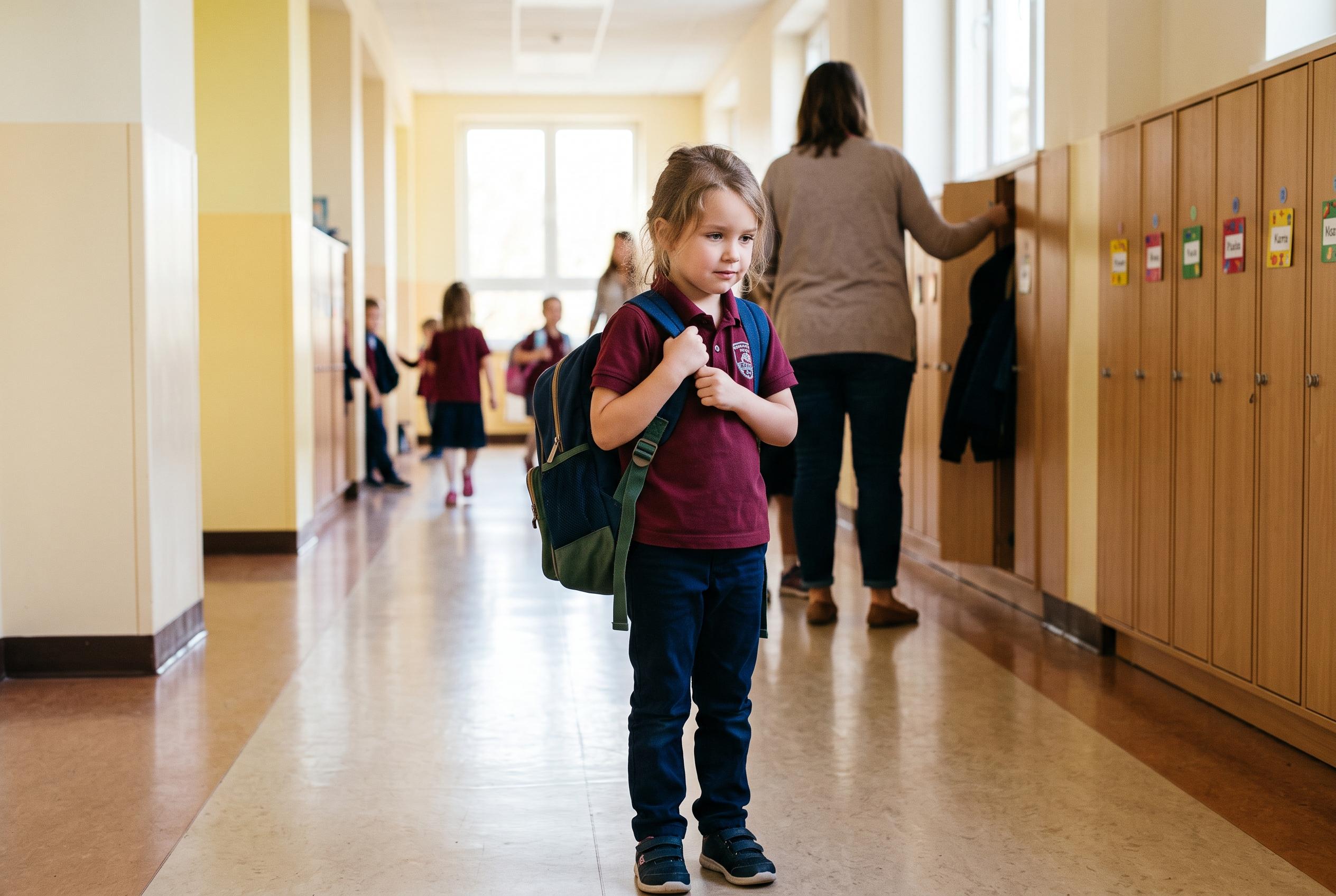

As children adapt to new routines at school, behavioural signs such as tantrums, clinginess, and physical complaints often emerge. Experts warn that persistent anxiety and school refusal require timely intervention to prevent long-term issues.
The start of term can leave children looking composed in the classroom and unravelling the moment they get home. Teachers and paediatricians say that tiredness, tears and short tempers are common in the first few weeks of a new school year as children adjust to new routines, new adults and the social effort of a full day in class. PBS has noted that many children need about six weeks to settle in.
After-school blow-ups are often a sign of what specialists call restraint collapse: a child has spent all day holding themselves together and then releases that tension in the safety of home. Understood, a non-profit focused on learning and attention issues, describes the pattern as crying, yelling or other outbursts after school. A predictable routine, a proper snack and some quiet time before homework can help children decompress.
Back-to-school anxiety can also surface in ways that are easy to miss. Harvard Health says it may look like clinginess, irritability, repeated reassurance-seeking or tantrums rather than a child saying they are worried. Physical complaints, especially headaches, stomachaches, sleep changes and appetite shifts, can be part of the picture too. For younger children in particular, nerves often show up in behaviour before they are able to explain them.
Most of these reactions ease as children become familiar with their teacher, classmates and timetable. But when worries do not settle, or when a child begins to dread school regularly, parents should pay closer attention. HealthyChildren.org, the American Academy of Pediatrics’ parent guidance site, says persistent physical complaints, ongoing avoidance and anxiety that starts to affect daily life are signs to speak with a paediatrician, school staff or another professional.
School refusal is a more serious concern than an ordinary rough morning. Merck Manual says school avoidance affects about 1% to 15% of school-age children and can be linked to anxiety, depression, bullying or academic struggle. Harvard Health also says early intervention matters, because the longer avoidance continues, the harder it can be to reverse. For families, the key is to notice patterns, keep routines steady and seek help before the problem hardens into a habit.
Disclaimer: This content is for informational purposes only and is not intended to be a substitute for professional medical judgment, advice, diagnosis, or treatment.