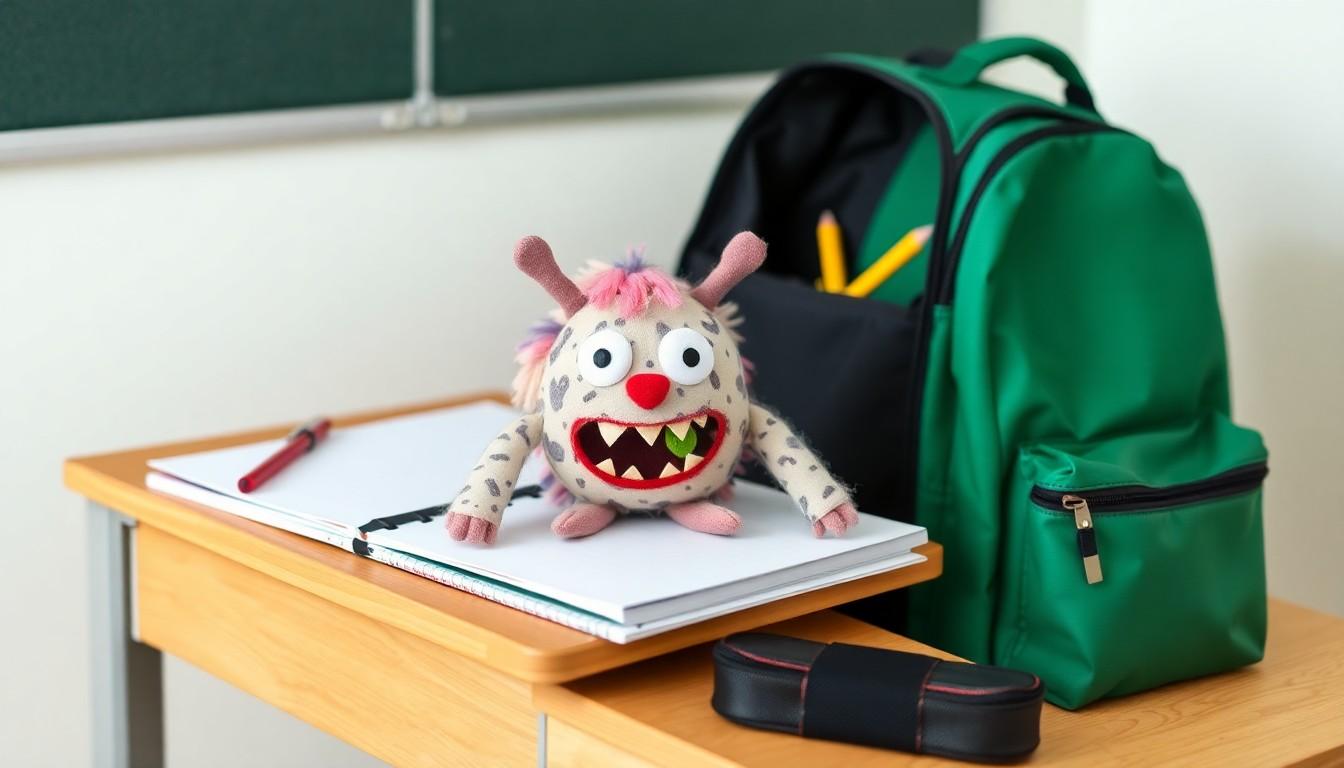

A playful craft activity called the ‘Worry Monster’ is helping children manage feelings of anxiety as they return to school, providing a tangible way to express and address their fears with the support of parents and caregivers.
For many children, the return to school brings more than fresh notebooks and sharpened pencils. It can also revive genuine anxiety: worries about teachers, friendships, toilets, routines and whether they will cope. The feeling is common, and experts say it should be met with patience rather than dismissal. Harvard Health notes that school-related anxiety often shows up as stomach aches, headaches, sleep disruption or repeated requests for reassurance, while Johns Hopkins Medicine says the best response is to talk about those fears early and make the transition feel more familiar.
One playful way to do that is with a homemade “Worry Monster”. The idea is simple: children write down their fears on slips of paper and feed them to a decorated box creature, turning an abstract worry into something visible and manageable. The craft can be made from a tissue box, paint, glue, scissors and whatever household bits are to hand, with googly eyes, cardboard teeth or feathers adding personality. The point, child-development guidance suggests, is not to banish fear, but to help children name it and practise letting go of spiralling thoughts.
This kind of activity fits neatly with advice from children’s health organisations, which recommend listening without judgement, asking open questions and helping children describe how worry feels in their bodies. The Kids Mental Health Foundation says parents can also ease anxiety by rebuilding routines before term starts, revisiting the school, reconnecting with classmates and involving children in school shopping to create some excitement. Johns Hopkins adds that adjusting bedtimes, arranging playdates and rewarding independence can all help children feel more settled.
Other specialists stress that reassurance should be practical, not just cheerful. Children’s Health advises telling children what to expect, while Children’s Nebraska suggests rehearsing the route to school, attending open days and supporting sleep, nutrition and exercise so children feel more in control. If worry continues for weeks or begins to interfere with daily life, Harvard Health and the other expert guides recommend seeking professional help.
In other words, back-to-school nerves need not be treated as a problem to silence. A small craft project, a calm conversation and a gradual return to routine can give children a safer way to put fear into words before the school bell rings again.
Disclaimer: This content is for informational purposes only and is not intended to be a substitute for professional medical judgment, advice, diagnosis, or treatment.