

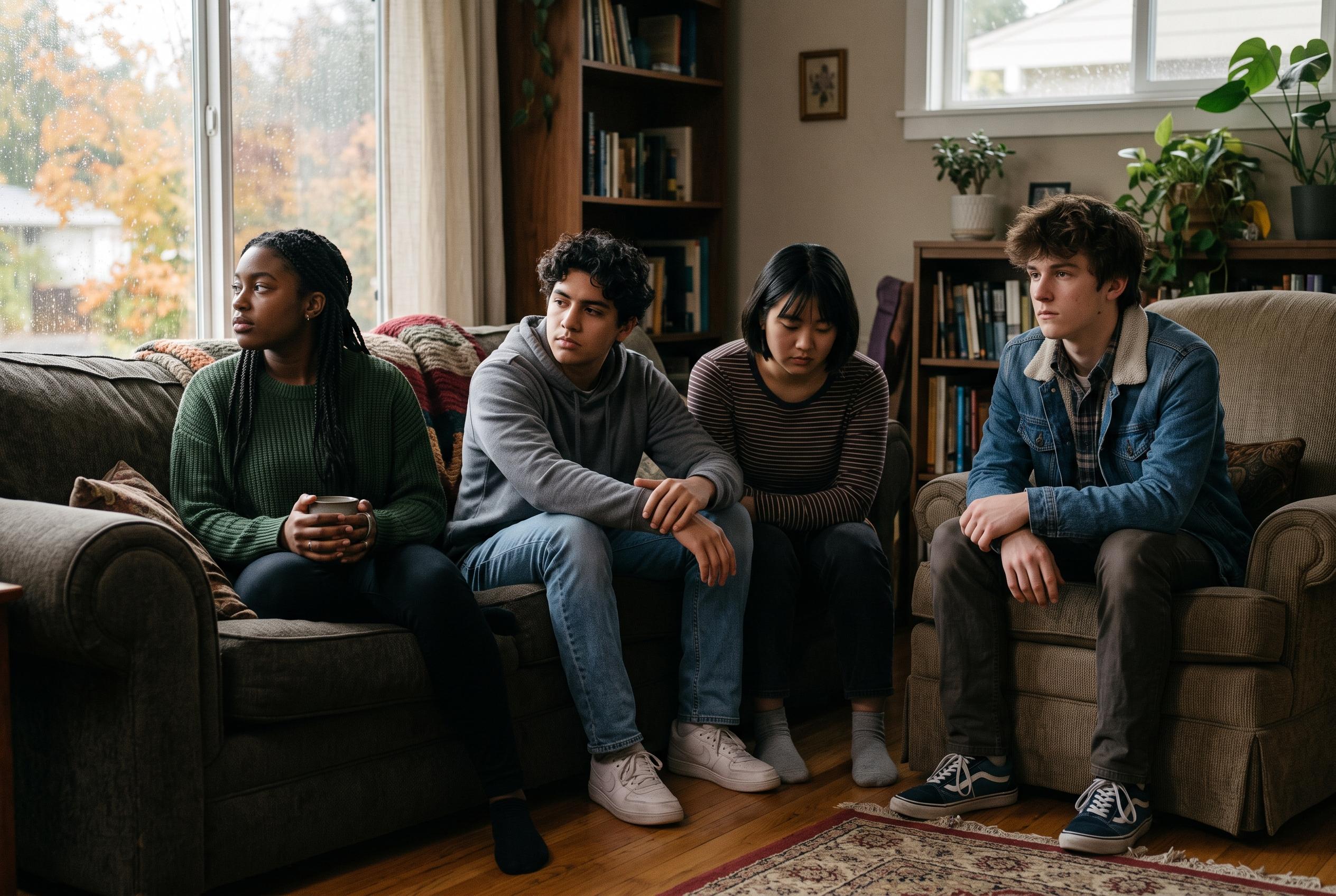

US research links recent depression in adolescents and young adults to increased misuse of opioids, sedatives and tranquillisers, highlighting the need for joined-up mental health and addiction care.
Adolescents and young adults with depression are significantly more likely to misuse prescription medicines and develop substance use problems, according to research published in JAMA Network Open. The study, which analysed data from the 2023 and 2024 National Survey on Drug Use and Health, found that recent depression was associated with higher odds of misusing medications such as opioid painkillers, sedatives and tranquillisers. Researchers said the pattern points to more than recreational use: many young people appear to be turning to prescription drugs in an attempt to cope with emotional distress.
That finding adds weight to a concern long raised by clinicians and child health groups: when mental health care is hard to reach, some teenagers may try to treat themselves with whatever medicines are available to them. The researchers said that self-medication can make young people especially vulnerable to addiction, particularly when depression, anxiety and substance use are treated as separate problems rather than part of the same picture. The study’s authors argued that better co-ordinated mental health and substance use care is needed for at-risk youths.
HealthyChildren.org, the American Academy of Pediatrics’ parent education site, says non-medical use of prescription drugs can lead to addiction, overdose and other serious harm in adolescents and older teens. It advises parents to keep close track of medications in the home, talk plainly with children about the risks, and watch for warning signs such as mood swings, confusion or changes in behaviour. Other addiction specialists say prescription misuse can also affect coordination and deepen depression, creating a cycle that is difficult to break without early intervention.
The wider concern is not limited to one class of drug. Public health groups say opioids, stimulants and anti-anxiety or sleep medicines all carry risks when they are used outside a doctor’s directions. Some treatment providers have also warned that access to evidence-based addiction medicine for teenagers remains patchy, even as overdose deaths linked to illicit fentanyl have risen. Taken together, the findings suggest that for many families, prevention means treating mental health symptoms early, storing medicines securely and making sure young people know that prescription drugs are not a safe shortcut to feeling better.
Disclaimer: This content is for informational purposes only and is not intended to be a substitute for professional medical judgment, advice, diagnosis, or treatment.



