

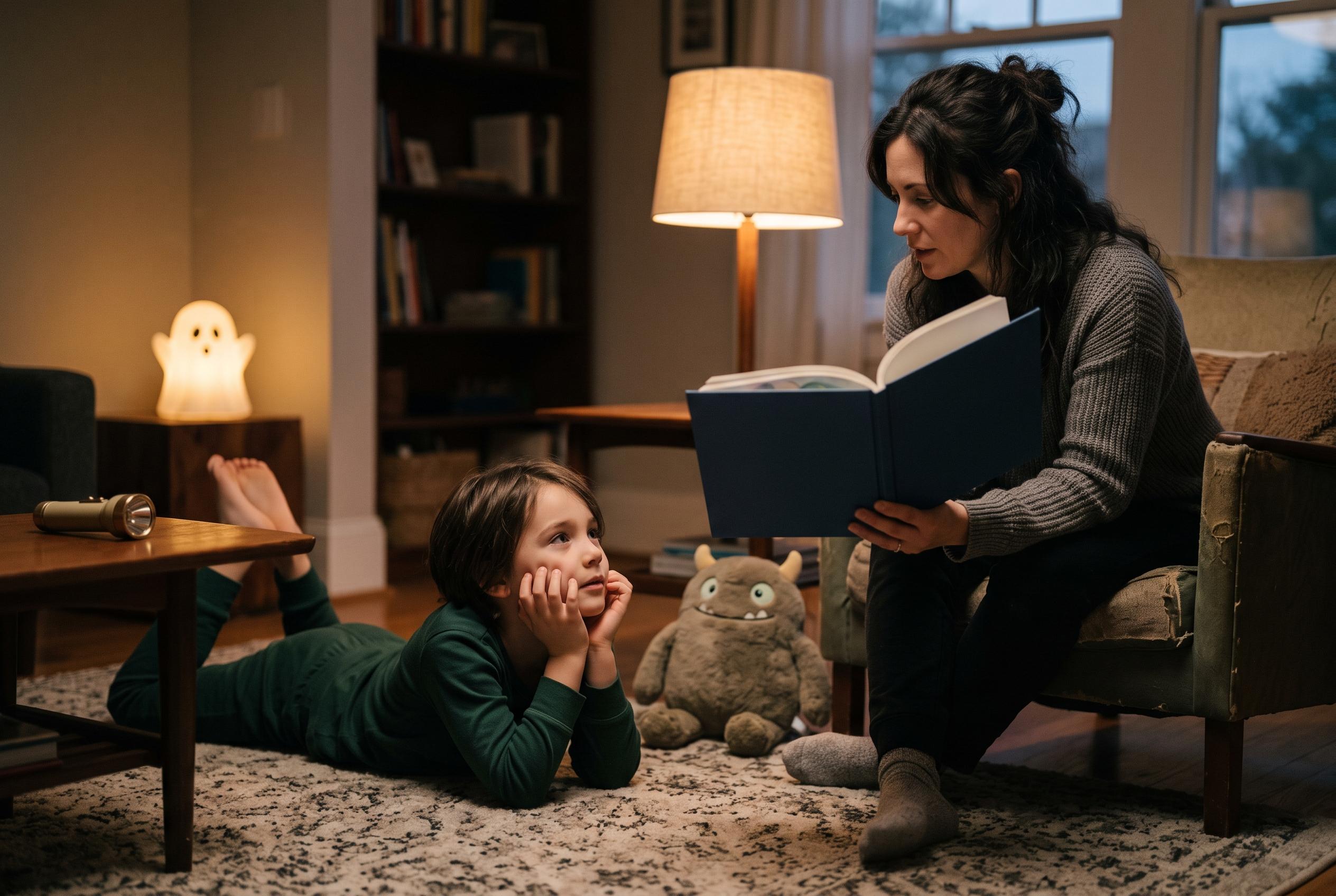

Experts clarify that children’s interest in death, monsters, and horror often reflects normal emotional processing, warning against overreacting and emphasising the importance of understanding their behaviour in context.
A fascination with death, monsters, gore or other dark themes does not automatically mean a child is troubled. For many children, that interest is part of ordinary development: a way to test ideas, rehearse fears and make sense of experiences that feel confusing or intense. In the lead article, child psychiatrist Monika Roots of Bend Health says children often use imagination and play to work through big emotions, while licensed social worker Jillian Amodio notes that older children and teenagers may be especially drawn to bleak or suspenseful material because it gives them a safe way to explore difficult questions.
That broader view fits with what paediatric guidance says about how children understand death. Nationwide Children’s Hospital explains that babies have no concept of death, toddlers do not yet grasp its permanence and preschool children may see it as reversible. The Children’s Hospital of Philadelphia makes a similar point, noting that school-aged children begin to understand death as final and that adults can help most by answering questions plainly and directly rather than hiding behind euphemisms.
Researchers have also found that children often connect death with strong emotions such as fear and sadness. A study published in the journal Omega, drawing on interviews and drawings from children aged five and six in different cultural backgrounds, found that many children represented death in realistic terms and associated it with negative feelings. A systematic review on communication about dying and bereavement likewise concluded that children’s understanding becomes more adult-like over time, with a fuller grasp of death usually emerging around the age of 10 to 12.
That means the real issue is not whether a child likes spooky stories, skeletons or morbid jokes, but how that interest shows up in daily life. The lead article’s experts say a child who laughs, improvises and moves easily between playful themes is very different from one who seems rigid, distressed or preoccupied. They also warn that shutting down the subject can push older children towards peers or online spaces for answers, where they may encounter misleading or upsetting material.
Parents are usually best served by staying calm, curious and specific. If a child says something unsettling, ask what they mean rather than assuming the worst. If the interest becomes an obsession, or if it comes with aggression, withdrawal, poor sleep, hopelessness, fixation on violent offenders, or talk of self-harm, experts say it is time to seek help from a therapist or psychiatrist. In most cases, though, a macabre phase is just that: a phase, not a warning sign.
Disclaimer: This content is for informational purposes only and is not intended to be a substitute for professional medical judgment, advice, diagnosis, or treatment.



