

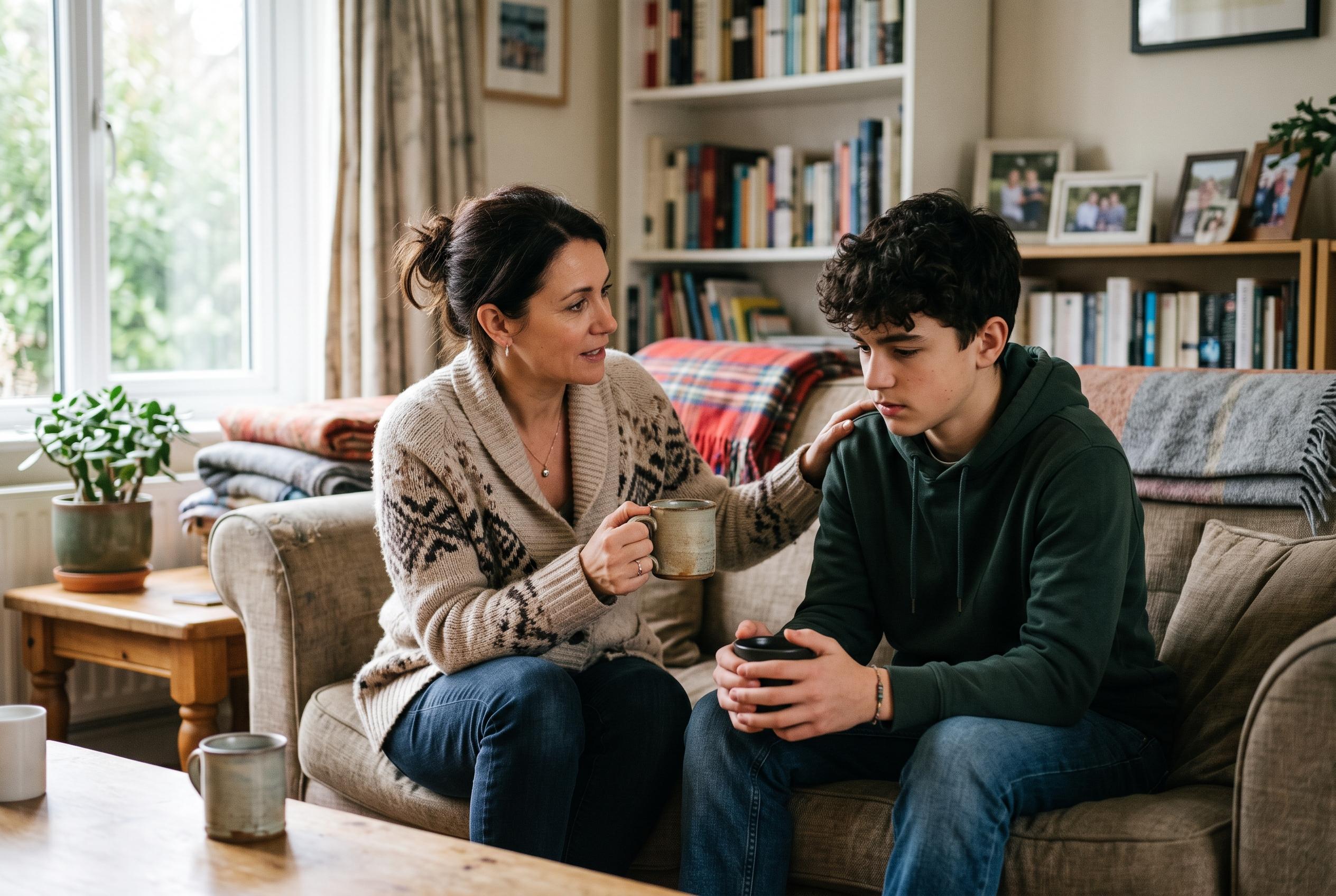

Experts urge parents to pause before confronting other families or schools, separating ordinary adolescent conflict from repeated cruelty, intimidation or signs of serious distress.
Parents often feel an immediate urge to act when a child bursts into the car upset, but experts say the first move is usually to slow down rather than intervene at full speed. Logan McIlwain, a licensed clinical social worker and author of “Parent Parkway: Your Roadmap for Conversations About Sex, Boundaries, and Relationships”, argues that friendship conflict is often part of adolescence rather than a sign that something has gone badly wrong. The challenge for parents is not to eliminate every awkward moment, but to work out whether a child needs comfort, coaching or adult help.
One useful starting point is to separate a one-off blow-up from a wider pattern. The Centres for Disease Control and Prevention defines bullying as unwanted aggressive behaviour that involves a real or perceived power imbalance and is repeated, or has the potential to be repeated, over time. That distinction matters because a single argument, a snub at lunch or a rough text exchange may be painful without amounting to bullying. McIlwain’s advice is to look at whether there is repetition, coordination, humiliation or a clear imbalance of power before deciding how seriously to escalate the issue.
Parents are also advised to consider how much control a young person still has in the situation. If a teenager can walk away, set a boundary or ask for help, the better response may be coaching rather than rescue. Guidance from youth and counselling organisations makes the same point: friendship drama can be an ordinary part of growing up, and working through it can build resilience, communication and empathy. That does not mean adults should stand back from serious exclusion or targeted cruelty, only that they should resist taking over when a child still has room to act for themselves.
The impact on the child is another key clue. Teen-focused advice from the Youth Ranch says warning signs can include reluctance to go to school, withdrawal from friends and a change in mood or routine. McIlwain makes a similar point, urging parents to notice what has disappeared as much as what has been said: a child who stops mentioning certain friends, avoids activities or develops regular stomachaches may be signalling that the problem is bigger than a single awkward moment. Even then, experts say parents should seek the story before rushing to a verdict, because children often describe events only from their own side of the room.
That is why McIlwain recommends a measured sequence: join first, assess second and solve third. In practice, that means listening without immediately declaring other children terrible or dismissing the upset outright. It also means checking whether the urge to call another parent or contact the school is being driven by the adult’s discomfort rather than the child’s needs. As several parenting guides note, some situations do require intervention, especially where there is repeated exclusion, intimidation or safety concerns. But many others can be handled with calm support, careful questions and a willingness to sleep on it before acting.
Disclaimer: This content is for informational purposes only and is not intended to be a substitute for professional medical judgment, advice, diagnosis, or treatment.



