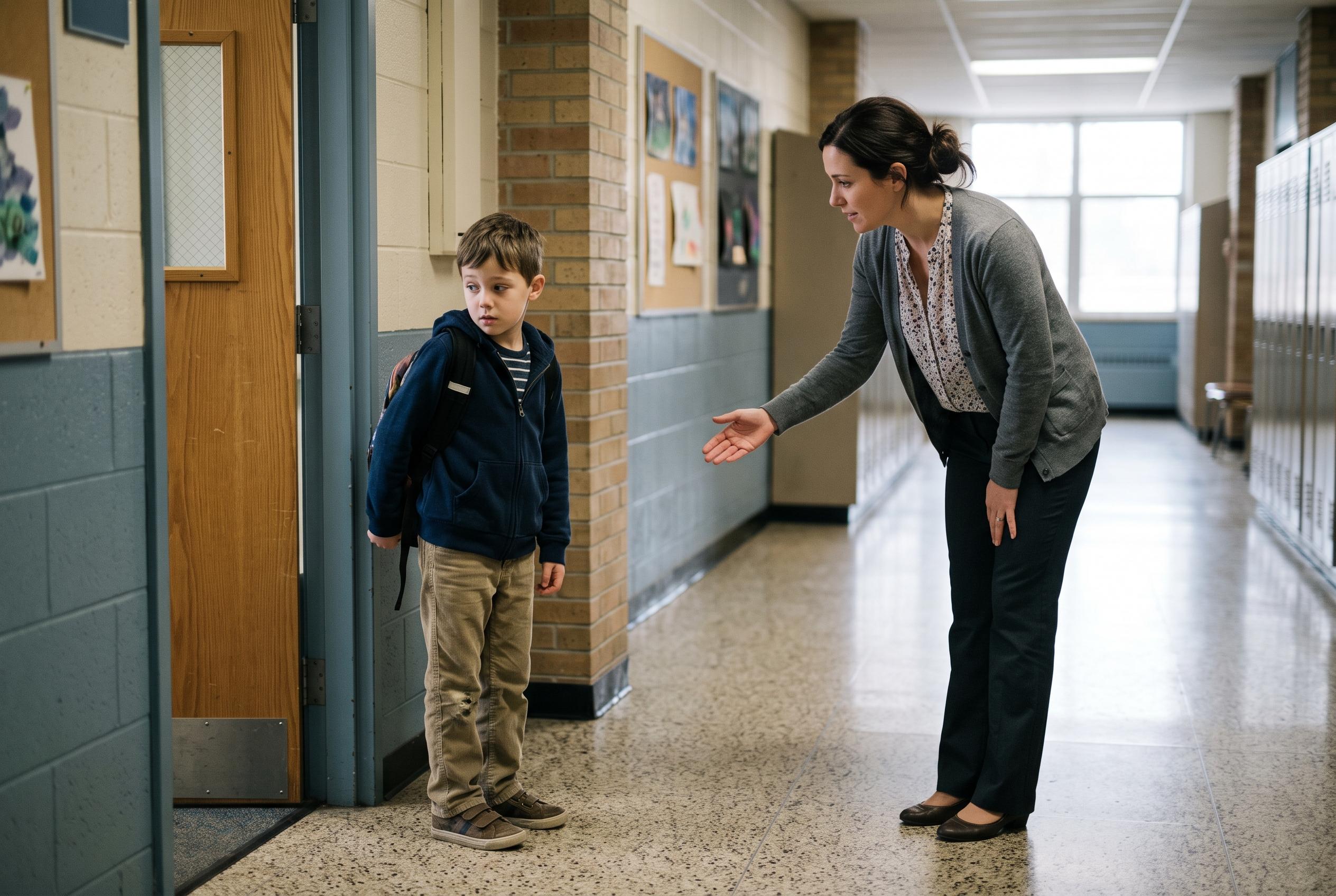

Barnardos reports increasing cases of school avoidance among children and warns of significant delays in crucial support services, highlighting growing challenges faced by families and schools in addressing mental health and educational needs.
Barnardos has warned that school anxiety and school avoidance are becoming more common among children, with fresh survey findings suggesting many parents are now struggling to keep their children in class on a regular basis. The children’s charity said the problem is affecting pupils in both primary and secondary school, and urged faster access to educational needs assessments alongside more targeted support for disadvantaged children.
In its back-to-school survey, which drew responses from more than 700 parents, Barnardos found that 21% of parents of primary school children and 33% of parents of secondary students said their child refused or avoided school at least once a month. The charity also said 46% of parents reported non-medical absences once or twice over the past year, while 11% of primary parents and 13% of post-primary parents said this happened more than five times.
The survey pointed to serious gaps in support for children with additional needs. More than half of primary parents with children who have special educational needs, at 56%, and almost two-thirds of secondary parents in the same position, at 63%, said their child had only some or none of the help needed to take part fully in school. Nearly half of primary parents and 53% of secondary parents whose children had received an assessment said they had been waiting more than a year for support to follow, while 71% of primary parents and 74% of secondary parents said they could not afford a private assessment or help.
Barnardos national policy manager Stephen Moffatt said the charity regularly works with families dealing with school refusal linked to anxiety and wider pressures such as poor parental mental health, domestic abuse or addiction. He said many families also face delays in getting the assessments and supports children need to engage in education. Medical guidance from Cleveland Clinic and Healthy Children describes school refusal, sometimes called school avoidance, as emotional distress that can stop a child attending regularly, often showing up as headaches, stomach pains or nausea on school days.
Disclaimer: This content is for informational purposes only and is not intended to be a substitute for professional medical judgment, advice, diagnosis, or treatment.