

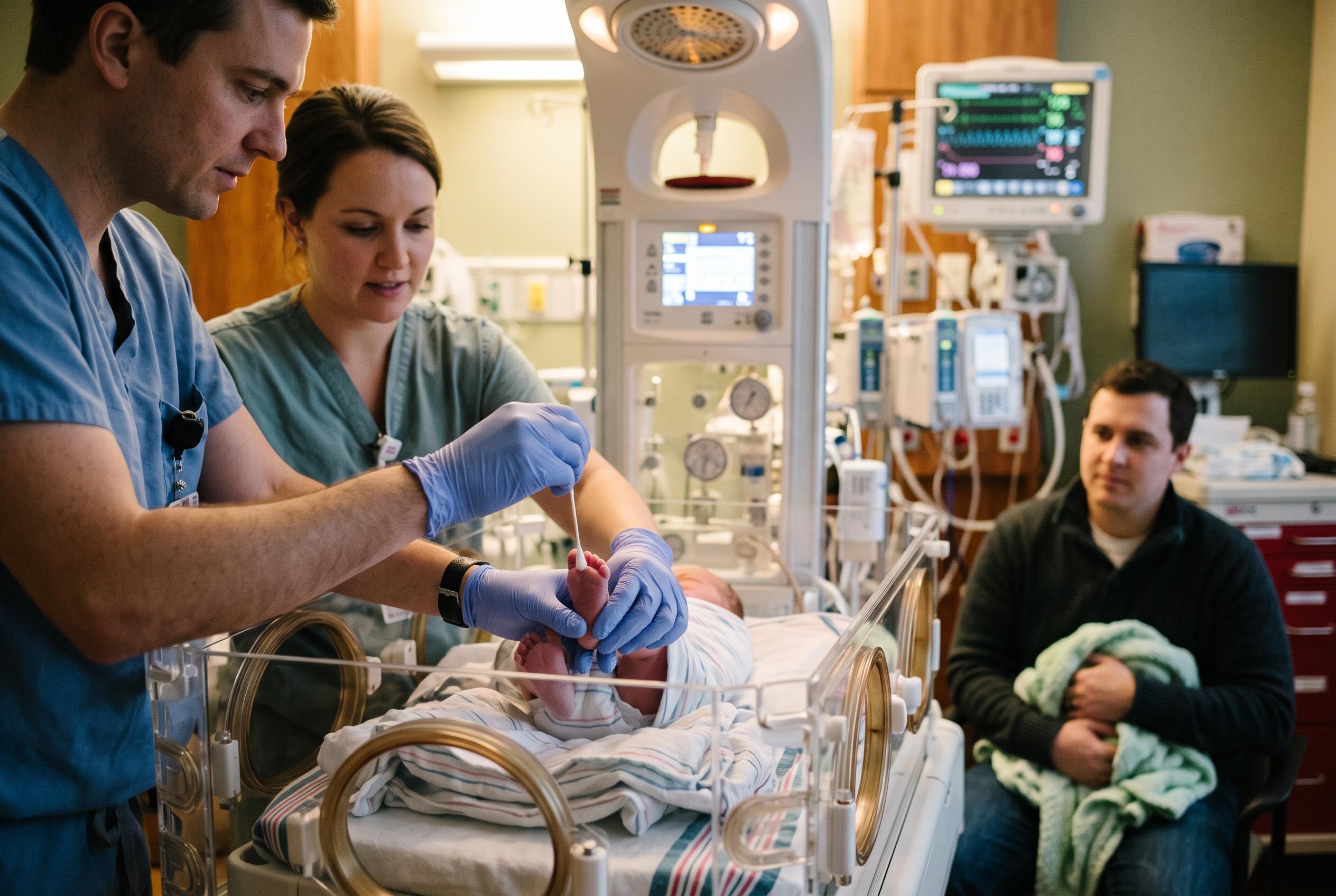

The American Academy of Pediatrics has expanded its newborn screening guidelines for congenital cytomegalovirus (CMV) to improve detection of a common infection often unnoticed at birth, aiming to reduce long-term developmental risks.
The American Academy of Pediatrics has broadened its guidance on newborn screening for congenital cytomegalovirus, or CMV, in an effort to make testing more consistent for a common infection that often goes unnoticed at birth. The change reflects growing concern that many infants who are infected never show immediate symptoms, even though the virus can still affect hearing and development later on. According to the Centres for Disease Control and Prevention, congenital CMV is the most common infectious cause of birth defects in the United States.
Frank Esper, a paediatric infectious disease specialist at Cleveland Clinic Children’s, said in comments reported by WSLS that congenital CMV remains widely under-recognised despite its scale. He noted that infection often happens early in pregnancy and can cause long-term complications, particularly hearing problems. Esper also said he was involved in research aimed at making screening more uniform after previous policies differed from place to place.
The CDC says laboratory confirmation is needed to diagnose congenital CMV in newborns, and the standard approach is testing saliva with a follow-up urine test when results are positive. That timing matters: testing should be done within the first two to three weeks after birth to confirm the infection. The CDC also says most babies with congenital CMV never develop symptoms, but some do have problems at birth or later in childhood, which is why hearing checks are considered an important part of follow-up care.
Esper said targeted screening in the nursery significantly improved detection, while babies in neonatal intensive care units are already screened because they face a higher risk. He described saliva swabs as the main test used in many hospitals, followed by urine testing for confirmation. When infection is confirmed, clinicians monitor infants closely for hearing loss or developmental delays, and antiviral treatment may be used in some cases to help limit hearing damage.
Disclaimer: This content is for informational purposes only and is not intended to be a substitute for professional medical judgment, advice, diagnosis, or treatment.



