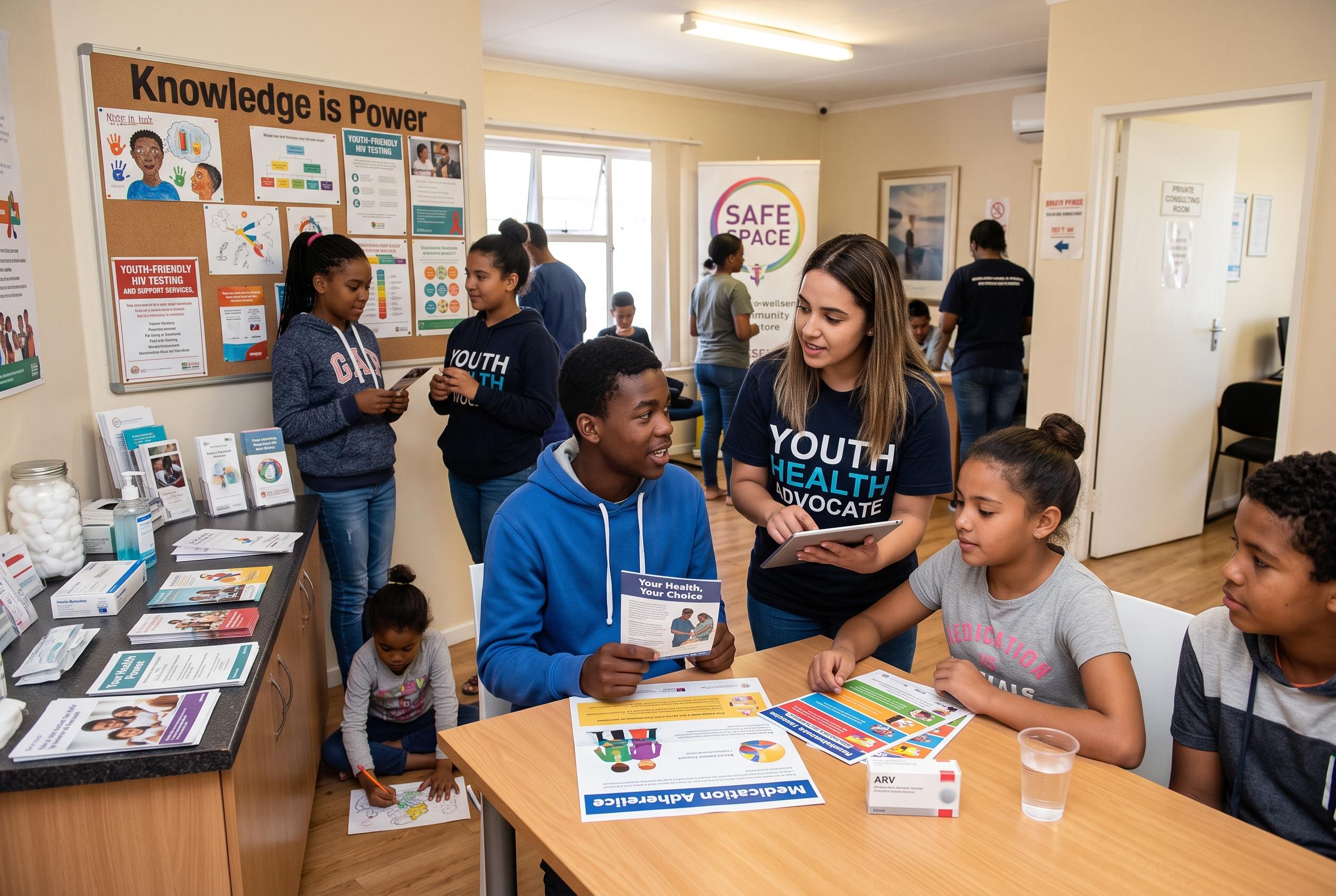

At AIDS 2026 in Rio de Janeiro, experts emphasised that despite advances, children and adolescents remain marginalised in the fight against HIV. The conference spotlighted innovative strategies like triple elimination and adolescent-focused care to accelerate progress and ensure no child is left behind.
At AIDS 2026 in Rio de Janeiro, Doris Macharia said the conference delivered a clear warning alongside its optimism: children are still being left behind in the global HIV response. Writing after the meeting, the president of the Elizabeth Glaser Pediatric AIDS Foundation argued that the field now has more science, better tools and stronger partnerships than ever, but still has not moved quickly enough for infants, children and adolescents who need those gains most.
One of the strongest themes to emerge from the conference was triple elimination, an approach backed by the World Health Organization that brings together testing and treatment for HIV, syphilis and hepatitis B in pregnancy and early childhood care. The idea is to move away from siloed services and build systems around families instead of single diseases. Macharia said that model can improve follow-up for mothers and children while making health services more coherent and resilient.
Innovation was another major focus, particularly longer-acting prevention and treatment options. The World Health Organization says children and adolescents living with HIV need early diagnosis, rapid treatment and age-appropriate care, yet access to new interventions often lags far behind adult availability. Macharia said that delay is not just inconvenient; it can affect adherence, viral suppression and the ability of young people to live with less daily burden from treatment. The CDC’s Operation Triple Zero programme in Kenya, which aims for zero missed appointments, zero missed doses and zero viral load, has been cited as an example of how adolescent-focused support can strengthen engagement in care.
Macharia also argued that ending new paediatric infections is only part of the task. As prevention improves, more children will be born HIV-exposed but uninfected, and their long-term health and development will need far more attention. She said success should be judged not only by infections prevented, but by the futures children are able to build.
A final point from AIDS 2026 was the need to listen to people closest to the problem. Macharia highlighted the role of advocate and digital creator Doreen Moraa Moracha, as well as community health worker and advocate Ismail Harerimana, whom she described as a bridge between families and health systems. Her broader message was that progress will depend on more than research and policy. It will require systems that include communities from the start and act with the urgency children deserve.
Disclaimer: This content is for informational purposes only and is not intended to be a substitute for professional medical judgment, advice, diagnosis, or treatment.