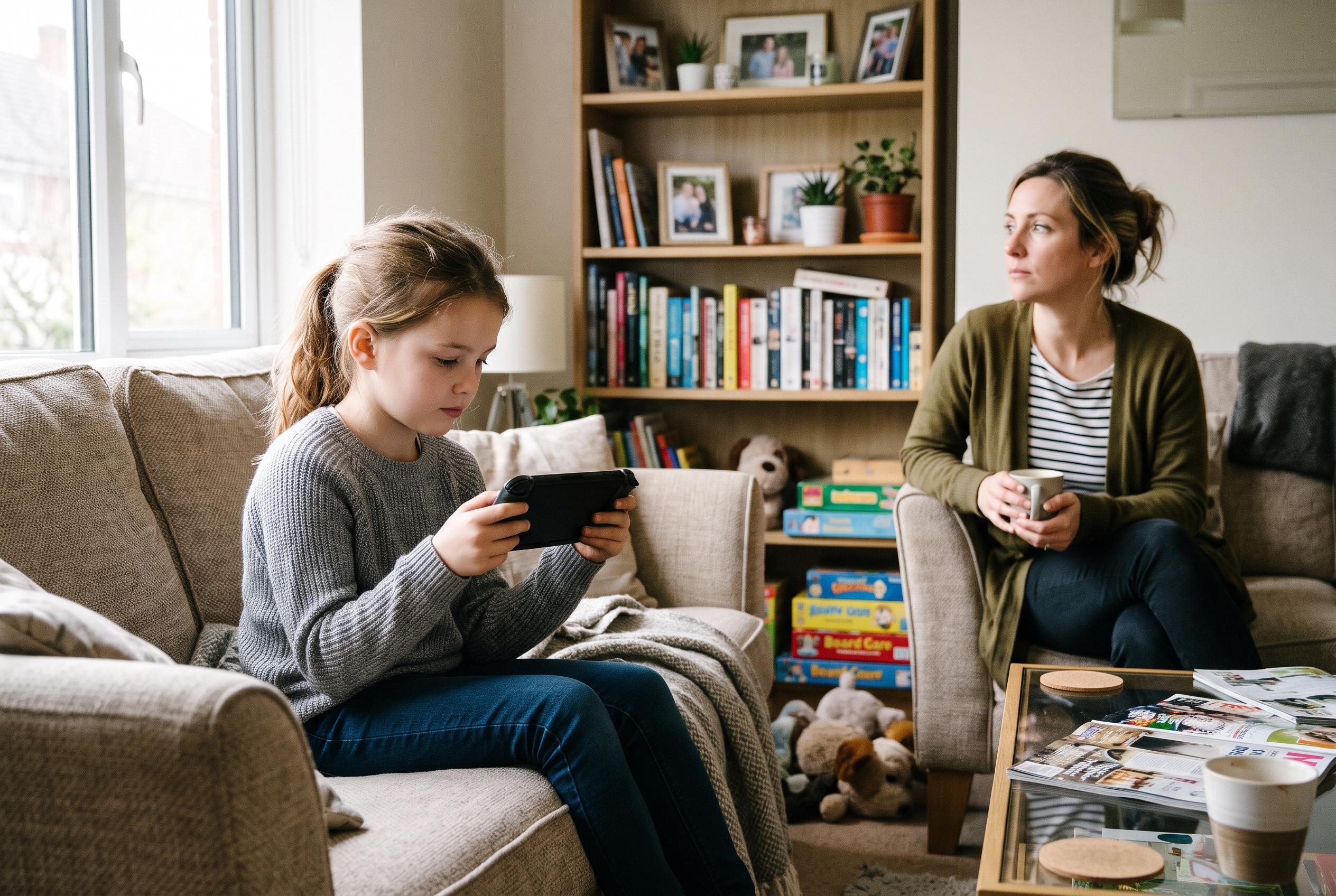

Psychologist Yulia Savicheva says excessive gadget use and a lack of open conversation can blur the line between online behaviour and real life, intensifying emotional and behavioural problems.
Psychologist Yulia Savicheva says two common pressures can make children more aggressive: too much time with gadgets and too little honest conversation at home. Speaking to FederalPress, Savicheva argued that children can struggle to separate online behaviour from everyday life when much of their free time is spent on phones and computer games. She said parents need to be deliberate about the content children consume and remain genuinely connected to them, not just in a supervisory sense.
Her warning fits a wider body of research linking heavy screen use with behavioural and emotional difficulties. A report in El País, based on studies of adolescents, said problematic use of mobile phones, social media and video games can heighten impulsivity, isolation, low self-esteem and trouble expressing emotions. It also noted that family conflict often flares when parents try to set limits, remove devices or monitor what children are watching.
Evidence on younger children points in the same direction. Time reported on a study of 2,441 children aged two to five, finding that greater daily use of television and computers was associated with slower progress in communication, problem-solving and social development. The American Academy of Pediatrics has recommended no more than one hour a day of high-quality programming for young children, underscoring the concern that screen use can crowd out the walking, talking and play that support healthy development.
That is why specialists often say the answer is not simply to take devices away, but to replace passive screen habits with more structured family life. Savicheva said shared household tasks, walks and calm discussions about feelings can help children manage tension, while homework support alone is not the same as close, trusting contact. Health guidance echoed in HealthyChildren.org and WebMD similarly urges parents to set clear media limits and prepare for resistance when devices are switched off. Separately, a review highlighted by the University of Queensland in 2025 suggested a circular pattern in which screen use and socio-emotional problems can reinforce each other over time, making early boundaries and steady family support especially important.
Disclaimer: This content is for informational purposes only and is not intended to be a substitute for professional medical judgment, advice, diagnosis, or treatment.