

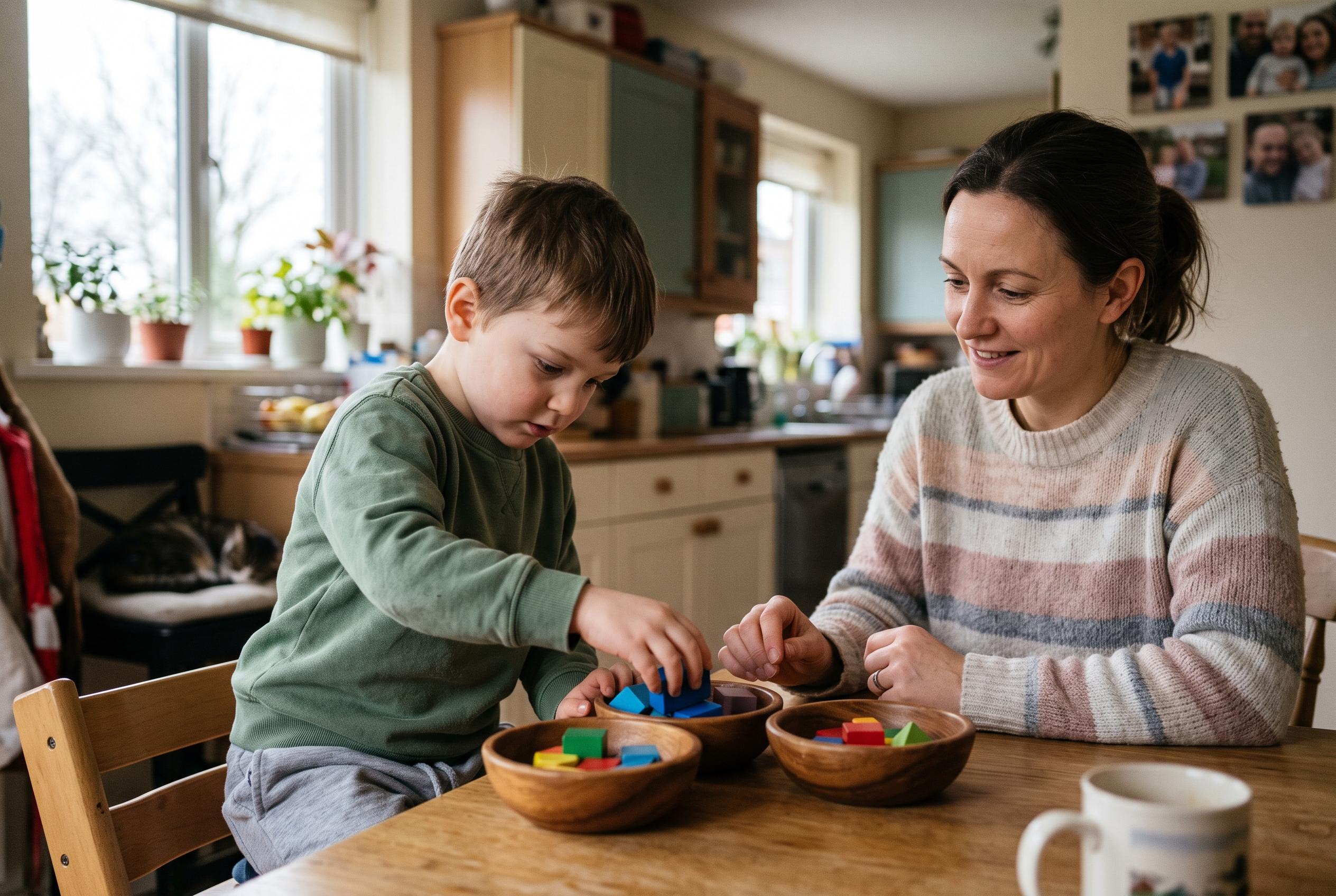

Play, household tasks and familiar routines can help young autistic children build communication, independence and social skills in ways that fit their individual needs.
Early autism support can give young children more chances to learn the skills they will use every day, from communication and play to routines, independence and social participation. The guiding idea is not to rush development, but to shape learning around each child’s stage, interests and needs, so that progress feels practical and achievable for families as well as children.
According to organisations focused on early autism care, the strongest interventions begin with a clear understanding of the child’s individual profile. That means looking closely at communication, attention, play, emotional regulation, daily living skills and social interaction, then setting goals that connect directly to real-life situations. Hope In Steps, which centres its work on personalised support, says each child brings a different mix of strengths and challenges, and that progress is more likely when support is tailored rather than generic.
Research-backed approaches also emphasise starting early. A review on PubMed Central found that interventions for children under three work best when they combine developmental and behavioural principles and are matched to the child’s current abilities. South Shore Psychological Services says one widely used model, the Early Start Denver Model, is designed for children aged 12 to 60 months and uses play-based teaching in natural settings such as home, daycare or school. The common thread across these approaches is that learning happens most effectively when it is woven into ordinary routines and relationships.
That makes play a central part of early intervention. Simple activities such as building blocks, matching games, pretend play, songs and turn-taking games can support attention, imitation, language and social back-and-forth. Early Autism Services says early intervention can improve communication, social skills, emotional regulation and daily living abilities, while also helping families gain clarity about what their child needs. In practice, that can mean helping a child ask for a snack, follow a short instruction, choose between two activities or practise waiting for a turn.
Families play a vital role in keeping those lessons going beyond therapy sessions. Consistent practice at home can help a child use new skills in more than one setting, which is often where confidence begins to grow. Small responsibilities such as putting toys away, choosing clothes or helping with simple household tasks can foster independence, while gradual exposure to new people, places and routines can make change feel less overwhelming. The most useful progress is often measured not in dramatic leaps, but in steady gains: clearer communication, greater comfort with new experiences, more participation in daily life and a stronger foundation for later learning.
Disclaimer: This content is for informational purposes only and is not intended to be a substitute for professional medical judgment, advice, diagnosis, or treatment.



