

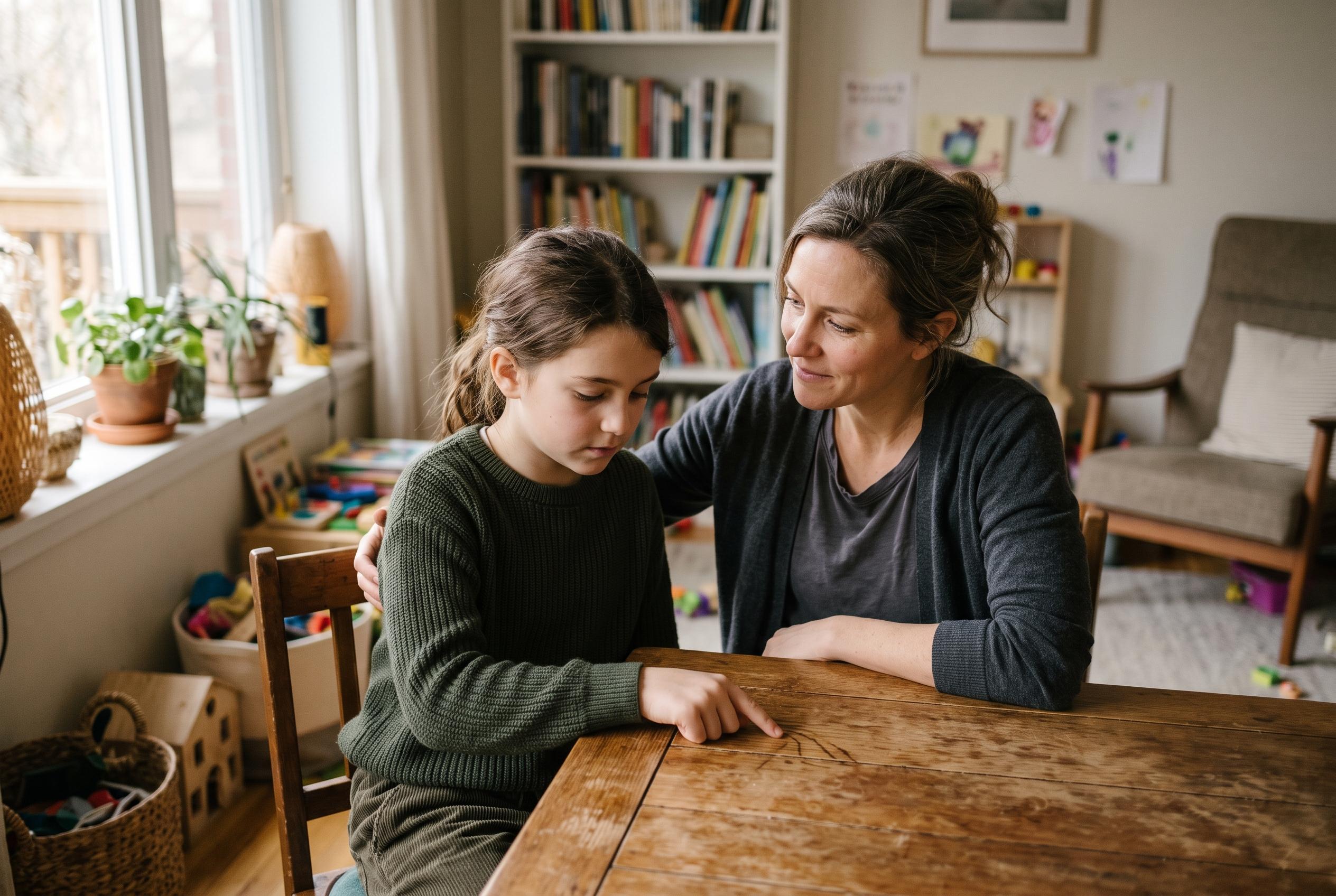

Autism diagnoses have risen sharply, but girls remain less likely to be identified early as masking and less obvious traits leave many without support until adolescence.
Autism is being identified in more children than ever before, but girls are still less likely than boys to be diagnosed early. The US Centres for Disease Control and Prevention says about one in 31 children aged eight had been identified with autism spectrum disorder in 2022, up from one in 150 in 2000. Even so, the CDC’s data show that boys are still diagnosed at roughly 3.4 times the rate of girls.
Clinicians and family support specialists say part of the gap comes down to how autism can present differently in girls. Ash Bhattacharya, chief executive and co-founder of Autism 360, told Chesapeake Family that autistic girls can be overlooked because they may navigate social situations more easily and show fewer of the behaviours that adults are taught to expect. Sarah Mealy, a licensed clinical psychologist with Annapolis Child and Family Therapy Centre, said the diagnostic framework used by clinicians has historically been shaped more by research on boys than girls.
Autism is a developmental condition marked by differences in social communication, repetitive behaviours, sensory sensitivities and restricted interests. But experts caution that there is no single sign, and no single test, that confirms a diagnosis. Mealy said the right approach is to consider the whole picture rather than any one trait. Julie Norton, a paediatric occupational therapist at Annapolis Children’s Therapy Centre, said tantrums, withdrawal or a preference for routine can appear in many young children and are not, on their own, proof of autism.
What often makes girls harder to spot, experts say, is that they may meet early milestones on time and hide their difficulties more effectively. The CDC says the overall rise in diagnoses reflects improved awareness, screening and a broader understanding of how autism can appear. But girls are still less likely to be referred early, in part because their interests can look more typical and their repetitive behaviours may be less obvious. According to the Organisation for Autism Research, 44% of boys and 34% of girls are diagnosed before age five.
That delay can matter. Early intervention, particularly before age three, can improve language, cognition and everyday functioning, according to NeuroLaunch. Norton said parents should speak openly with paediatricians if they are worried, even if a child has no diagnosis yet. She said many girls are first evaluated in the tween or teenage years, when social demands increase and they begin to struggle more visibly with friendships, school changes and emotional exhaustion.
Mealy said masking, the effort to copy others and hide autistic traits in public, can help girls blend in temporarily but often leaves them drained. It can also contribute to anxiety, depression and a sense of being misunderstood. Bhattacharya said a diagnosis can still be life-changing because it can connect families to support and help girls understand why certain things feel harder than they seem for others. Both clinicians stressed that parents should look for strengths as well as challenges, and that support works best when families and professionals treat each child as an individual rather than a checklist of symptoms.
Disclaimer: This content is for informational purposes only and is not intended to be a substitute for professional medical judgment, advice, diagnosis, or treatment.



