

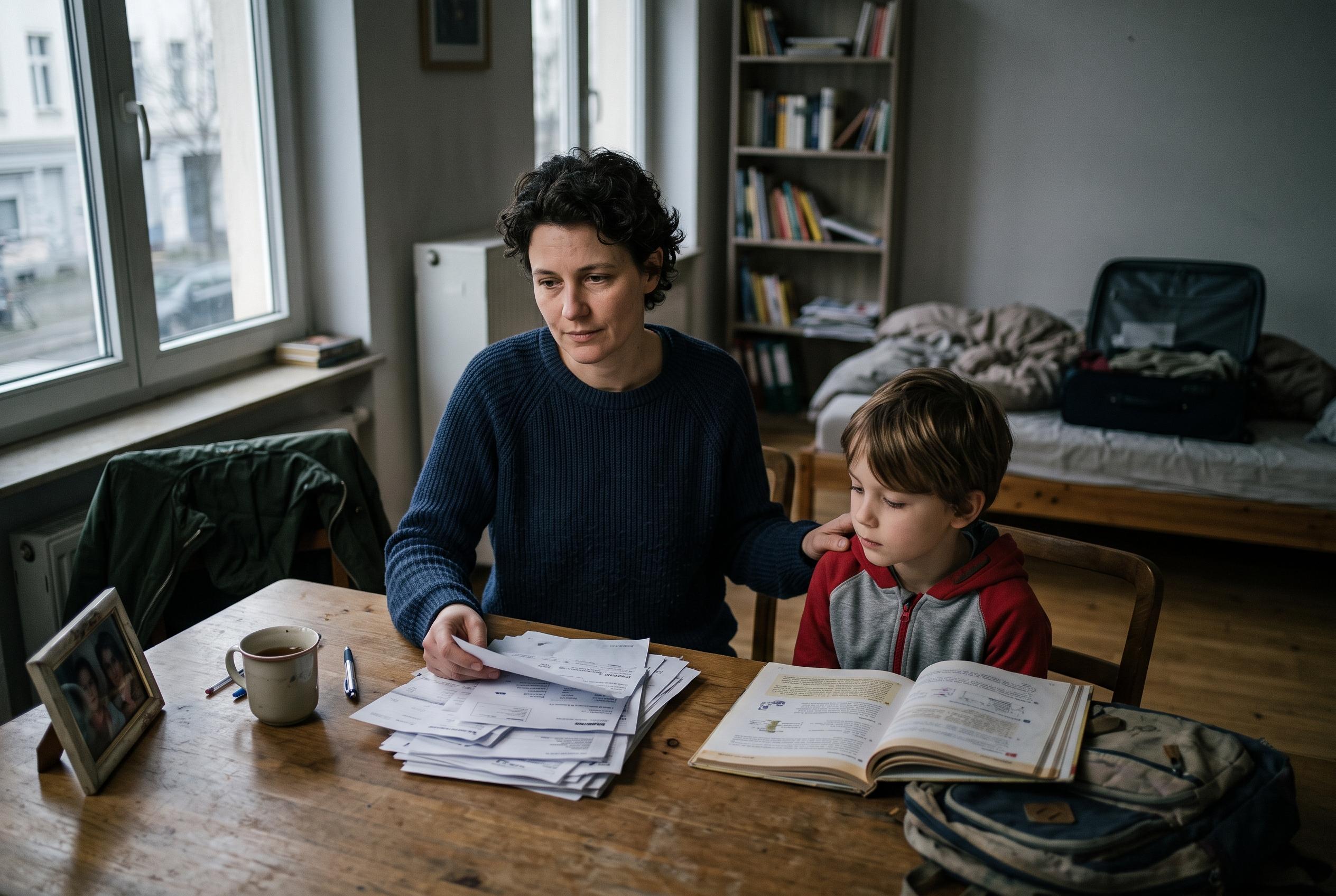

A new WHO/Europe study reveals over two-thirds of young adults have experienced childhood abuse, neglect or household dysfunction, with lasting impacts on mental health, education, and social outcomes, prompting calls for a comprehensive response.
A new World Health Organisation report says childhood abuse, neglect and household dysfunction remain widespread across Europe, with more than two-thirds of young adults in the European Union, Iceland and Norway saying they experienced at least one adverse childhood experience. The findings, drawn from a survey of 26,741 people aged 18 to 30, point to long-running damage that reaches well beyond childhood and into mental health, education, employment and relationships in early adulthood.
According to WHO/Europe, the research was carried out between November 2025 and January 2026 through national panels and measured nine forms of adversity, including abuse, neglect and exposure to domestic violence or a household member struggling with mental illness or substance use. The agency said more than one in five respondents reported four or more such experiences, a level of exposure linked to markedly poorer outcomes later in life.
The report found that young adults who had faced four or more adverse childhood experiences were far more likely to need professional mental health support in the previous year, to report violence, and to say they had used violence themselves as adults. WHO/Europe said the same group was also much more likely to have experienced cyberbullying in childhood. Higher levels of adversity were associated with lower educational attainment, a greater chance of being out of education, employment or training, lower household income, weaker trust in others and a reduced sense of connection to community.
WHO/Europe said the pattern shows that childhood adversity is not only a health issue but also a social and economic one, with costs borne over many years by welfare, justice, education and health systems. The report, published with support from the European Commission and analysed with Liverpool John Moores University, says the burden includes lost healthy life years and wider damage to productivity and social cohesion.
Dr Natasha Azzopardi-Muscat of WHO/Europe said the effects of violence or instability in the home often surface later in schooling, work and relationships. She said the scale of the problem is often underestimated and argued that health services alone cannot solve it. Professor Mark Bellis of Liverpool John Moores University, the study’s academic lead, said the results were consistent across countries and showed that adverse childhood experiences sit at the root of poorer health, social and economic outcomes. He added that such experiences can be prevented and their impact reduced through investment in safer, more nurturing childhoods.
The agency is calling for a three-part response: preventing adversity by supporting families and tackling poverty, exclusion and community violence; strengthening resilience through supportive adults, life skills and community networks; and making public services trauma-informed so that health, social care, education and justice systems can better respond to people affected by childhood harm. Earlier WHO work on child maltreatment in Europe has similarly warned that tens of millions of children are abused before age 18 and that the fallout can last a lifetime.
Disclaimer: This content is for informational purposes only and is not intended to be a substitute for professional medical judgment, advice, diagnosis, or treatment.



