

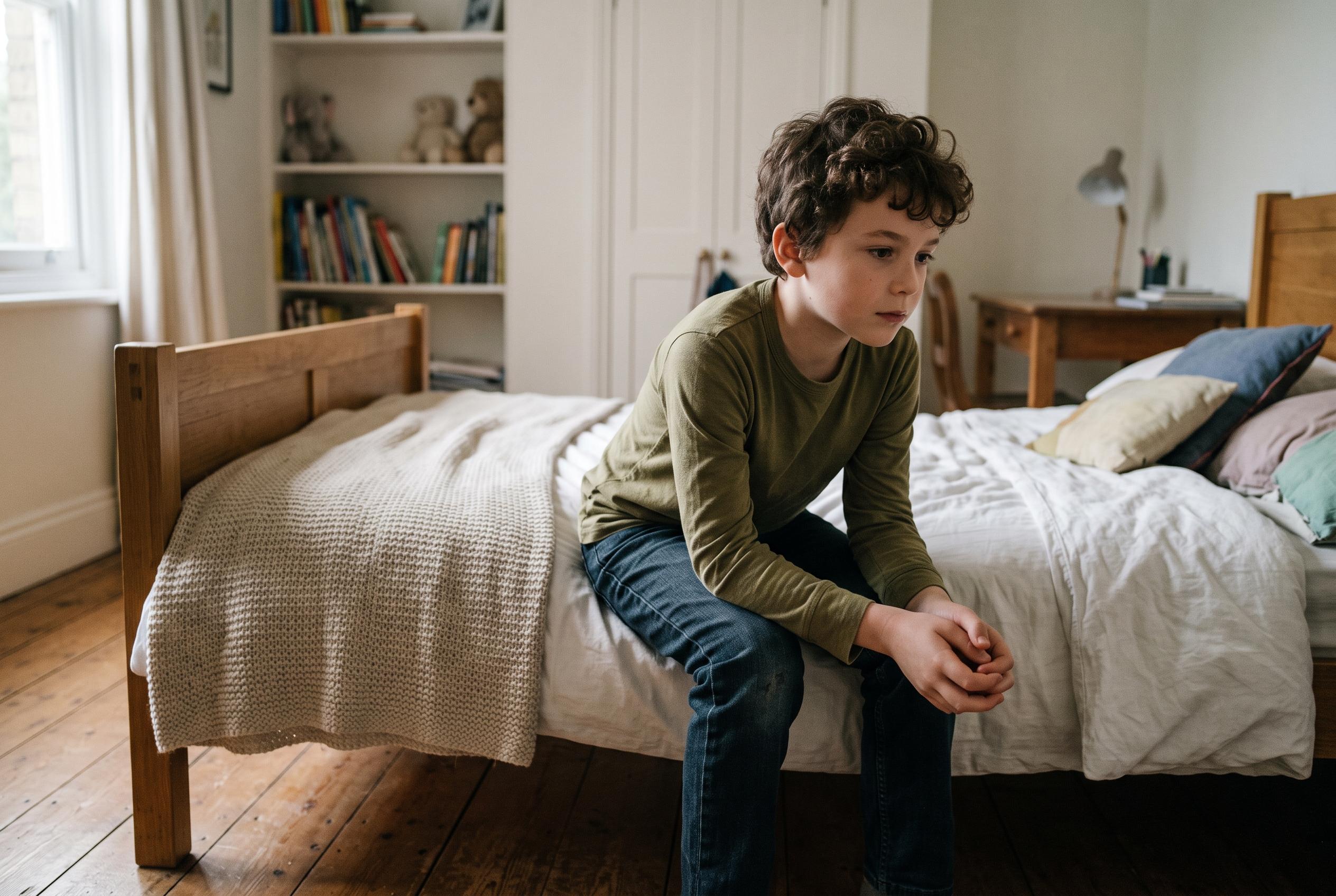

Withdrawal, excessive apologising, sleep problems and unexplained physical complaints can signal that repeated criticism is affecting a child’s emotional wellbeing.
Children who are shouted at, harshly criticised or repeatedly scolded may not always show their distress in obvious ways. Some become withdrawn and quiet, while others appear unusually compliant, even as they struggle with fear, insecurity or a growing sense that they are not safe or valued. According to the material from Media Indonesia, these reactions can be early warning signs that a child’s emotional wellbeing is being affected by the tone of the home environment.
Parents are advised to watch for a cluster of changes rather than a single moment of behaviour. A child who suddenly seems frightened of making mistakes, apologises excessively, avoids conversation, becomes more irritable, sleeps badly or complains of stomach pains without a clear medical cause may be under emotional strain, according to related reporting from Alodokter and Halodoc. The same reporting says some children also begin to describe themselves in negative terms, a sign that repeated criticism may be shaping how they see themselves.
The effects are not limited to younger children. Alodokter says adolescents who are frequently reprimanded can become more anxious, lose confidence, withdraw socially or push back through defiance and poorer behaviour. It also reports that academic performance can slip, while unhealthy coping habits may begin to emerge. Halodoc likewise notes that constant anger in the home can undermine concentration and may even affect physical health, with some children experiencing headaches or other stress-related complaints.
Health guidance quoted in the lead article points in the same direction. The American Academy of Pediatrics has linked repeated shouting and humiliation with a higher risk of long-term emotional problems. That makes it important for parents to respond early: observe the child’s behaviour over one to two weeks, look for patterns around meals, sleep, schoolwork and reactions to adult anger, and treat repeated changes seriously rather than dismissing them as a phase.
Repair starts with calmer communication. The Media Indonesia article recommends speaking with children during quiet moments, asking open questions and listening without interrupting or blaming. If a parent has already lashed out, a sincere apology can help rebuild trust. Alodokter also stresses the value of clear expectations, empathy and steady reassurance, while urging families to seek help from a child psychologist if withdrawal, fear or other worrying signs continue.
Disclaimer: This content is for informational purposes only and is not intended to be a substitute for professional medical judgment, advice, diagnosis, or treatment.



