

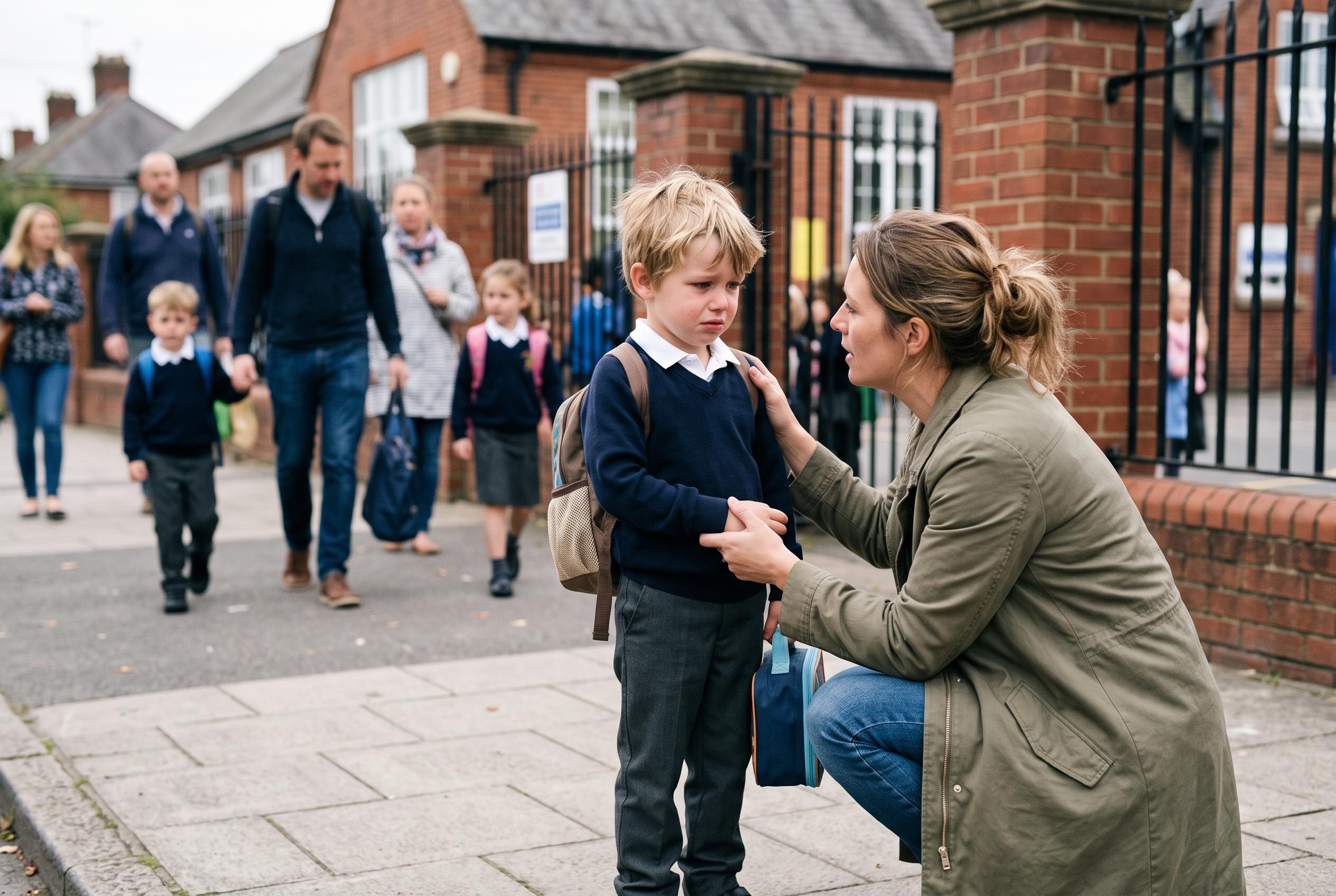

Intense, persistent distress, physical complaints and refusal to attend school or sleep alone can indicate separation anxiety disorder rather than a normal developmental stage.
At school drop-off, a child who cries, clings and begs for one more hug may simply be going through a normal stage of development. But when that distress is intense, long-lasting or begins to shape family routines, experts say it may be more than a passing phase. Mayo Clinic says separation anxiety is common in infants and toddlers and usually starts to ease by about age two or three, while more persistent symptoms can point to separation anxiety disorder, which can be identified in preschool years. MedlinePlus also notes that the fear of being apart from a caregiver is a typical part of early childhood development.
The clearest warning sign is not occasional tears but the scale of the reaction. According to Cleveland Clinic, separation anxiety disorder involves fear that is out of proportion to the situation and not appropriate for a child’s developmental stage. That may look like repeated meltdowns at every goodbye, worry that does not settle after a parent leaves, or a child who remains highly distressed well after the separation has happened.
Physical complaints can be another clue. Children do not always say they are anxious, but they may show it through stomachaches, headaches, nausea or other aches before school, nursery or sleepovers. Cleveland Clinic says these symptoms can appear alongside avoidance, including refusal to go to school, reluctance to sleep alone or an unwillingness to take part in ordinary activities without a parent or other trusted caregiver nearby.
Persistent fear about harm is also a common pattern. Some children repeatedly ask when a parent will return, fear that someone will get hurt or worry that they themselves will be lost or abandoned. MSD Manuals says that while some degree of separation anxiety is normal in young children, the disorder is more intense than expected for age and can be triggered or worsened by stress such as a move, a bereavement or a change of school.
Duration matters too. Cleveland Clinic says symptoms that last for more than four weeks in children deserve attention, especially if they are disrupting sleep, school attendance, friendships or family plans. That does not mean a child has a diagnosis, but it does suggest the worry is no longer just a brief developmental bump. The CDC, using its National Survey of Children’s Health data, has reported that anxiety is common among children and adolescents, underscoring that parents are far from alone in facing these concerns.
Parents who recognise several of these patterns at once should consider speaking with a paediatrician or a licensed child mental health professional. Mayo Clinic and Cleveland Clinic both note that treatment can help, and that child-focused therapy, including cognitive behavioural therapy, is often used to teach coping skills and gradually reduce fear. For many families, the first step is not a big intervention but a steadier routine: brief and predictable goodbyes, honest reassurance, gradual practice with short separations and calm consistency from caregivers. Children often improve when they learn, through repeated experience, that separations are temporary and that the adults they love do come back.
Disclaimer: This content is for informational purposes only and is not intended to be a substitute for professional medical judgment, advice, diagnosis, or treatment.



