

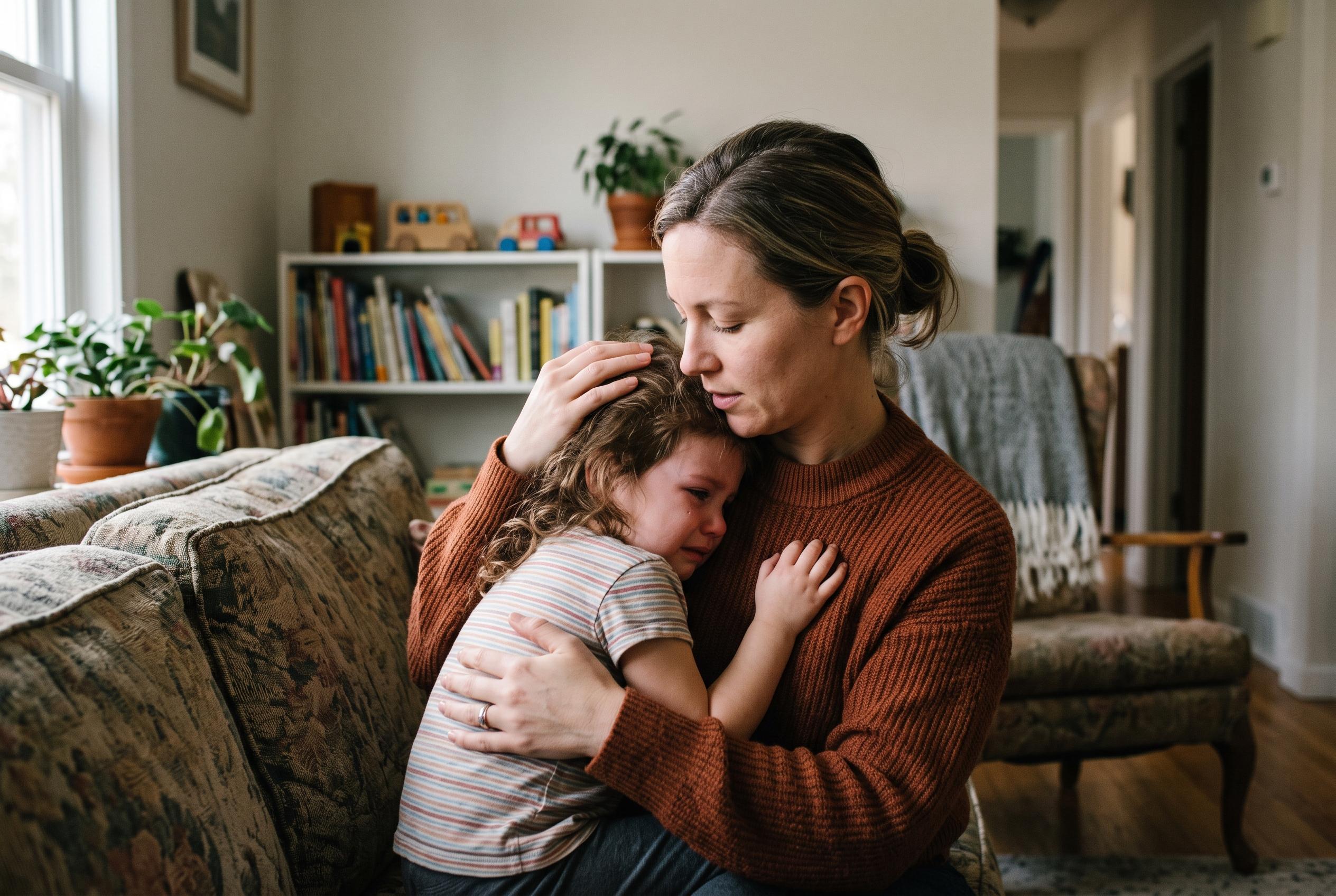

Physical outbursts can signal stress, developmental challenges or wider conflict at home. Experts recommend prioritising safety, identifying triggers and repairing relationships after the crisis.
Conflict between children and parents is common, but when it turns physical it can unsettle a household quickly. A recent article from Bold Science argues that families should treat aggression not as a sign of moral failure, but as a warning that a child is struggling to cope. That approach matters because shouting, hitting, kicking, spitting or throwing objects can leave parents frightened, ashamed and unsure how to respond, even though the behaviour often develops in homes already under strain.
The article says the roots of physical aggression are usually layered rather than simple. In early childhood, hitting and biting can reflect limited language and poor self-regulation; many children grow out of those behaviours as their impulse control improves. Adolescence can bring a second peak, however, as young people push for independence and emotions intensify. Research cited by the article suggests aggression towards parents often rises between the ages of 11 and 13 before easing later in the teenage years.
Broader child-development resources support that picture. Yale Medicine says anger, irritability and aggressive outbursts may be linked to conditions such as ADHD, autism, obsessive-compulsive disorder and Tourette syndrome, while stress, trauma and difficult family dynamics can also play a role. Studies on family aggression published in the National Library of Medicine have found that violence and conflict in the home often overlap, with parent-to-child aggression and intimate-partner aggression frequently occurring in the same households. The result is that a child’s outburst may reflect a wider system of stress rather than a single isolated incident.
The Bold Science article recommends a trauma-informed response that starts well before a crisis. Parents are urged to notice predictable triggers such as fatigue, transitions, school stress, sibling conflict, sensory overload or repeated power struggles. The piece also notes that neurodivergent children may need extra support with communication, recovery time and changes in routine. Kaiser Permanente’s guidance on parent-child conflict similarly stresses the value of calm communication, clear limits and compromise, while recognising that some children react to parental behaviour as much as to the original dispute.
When aggression is already under way, safety comes first. The article advises adults to create distance, move siblings away, avoid physical retaliation and wait until everyone has settled before trying to talk. Once the moment has passed, parents should repair the relationship by naming what happened, acknowledging feelings and working out what might help next time. If the pattern continues, outside help may be needed. Kristi House, for example, describes family-based treatment using Alternatives for Families Cognitive Behavioral Therapy, which focuses on coping skills, emotion regulation, problem-solving and healthier communication between children and caregivers. The broader message across the sources is consistent: with support, structure and calmer responses, families can reduce the damage and make future conflicts easier to manage.
Disclaimer: This content is for informational purposes only and is not intended to be a substitute for professional medical judgment, advice, diagnosis, or treatment.



