

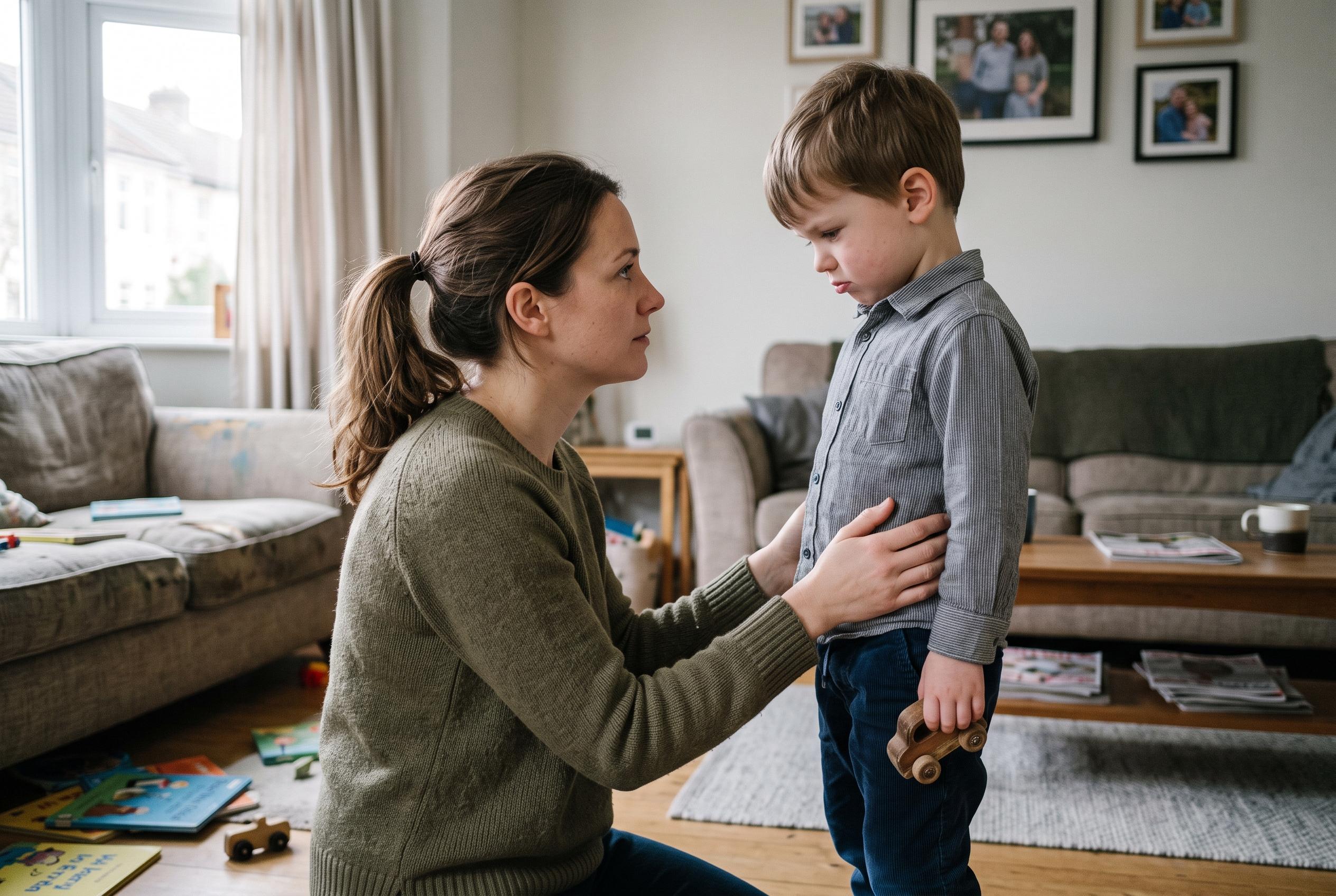

Persistent or escalating aggression may reflect trauma, stress, developmental difficulties or other mental health concerns. Experts advise parents to combine firm boundaries with empathy and seek professional help when behaviour threatens safety or disrupts daily life.
Repeated aggression in children can leave parents feeling alarmed, frustrated and unsure how to respond. A child who lashes out, bullies classmates or seems unable to control anger may simply be acting out in a stressful moment, but persistent or escalating behaviour can also point to deeper emotional, developmental or environmental problems.
Constantine L. Yu Chua, a child and adolescent psychiatry specialist at Makati Medical Center in the Philippines, says there is no single explanation for violent or aggressive behaviour in young people. Biological, psychological and social pressures can all interact, which is why specialists urge parents to look at the child’s wider circumstances rather than assuming one cause explains everything.
Health and mental health factors can affect impulse control, mood and judgement. In some children, difficulty reading social situations or managing frustration makes conflict harder to handle. Other young people may be reacting to bullying, abuse, family stress or repeated exposure to violence, all of which can make aggression seem like a learned response. The American Psychological Association says violence in childhood is often shaped by a mix of individual, family, community and wider social influences, while Yale Medicine notes that trauma and family dysfunction can contribute to anger and aggression in older children and teenagers.
Parents should not overreact to a single outburst, but they should pay closer attention when aggression becomes a pattern. According to the Centres for Disease Control and Prevention, persistent behaviour problems are more concerning when they are severe, unusual for the child’s age or continue over time. Warning signs can include bullying, stealing, vandalism, frequent temper loss, repeated threats, physical harm, property damage, substance use and a child who says they need help controlling their thoughts or actions.
Bullying-related behaviour deserves special attention. StopBullying.gov says children who are being bullied, or bullying others, may show changes that are easy to miss at first, including distress, conflict at school or signs of acting out in other settings. In some cases, aggression is also linked to access to weapons, which can turn a threat into an emergency. If a child makes a credible threat to hurt someone, parents should stay calm, focus on safety and seek immediate help rather than waiting for a routine appointment.
When discipline is needed, Yu Chua recommends what he calls a balance of connection and correction: understand the child’s feelings, but do not excuse the behaviour. That means listening first, when everyone is safe, and then setting clear limits, predictable consequences and practical alternatives. Rather than shaming a child, parents can explain that anger is understandable but hitting, threatening or humiliating others is not acceptable.
The American Academy of Pediatrics advises parents to set rules early, model calm behaviour and teach children to use words instead of physical action. Praise also matters. Children are more likely to repeat healthy behaviour when adults notice it, whether that means walking away from a fight, asking for help or solving a disagreement without violence. Consistency is important too: children need to hear the same message at home, in school and from other trusted adults.
Professional help may be needed when aggression is persistent, escalating or affecting school life and relationships. A child and adolescent psychiatrist can assess behaviour, family circumstances and any possible underlying condition. That process may include interviews, psychological testing or medical checks. Treatment can involve counselling, psychotherapy, behavioural support, family intervention or medication when clinically appropriate.
Parents do not have to handle the problem alone. Teachers, school counsellors, relatives and healthcare professionals can help children receive consistent boundaries and support across different settings. Yu Chua’s message is that young people do better when adults combine accountability with empathy, and when they are given a sense of belonging, purpose and safety as they learn more constructive ways to cope.
Disclaimer: This content is for informational purposes only and is not intended to be a substitute for professional medical judgment, advice, diagnosis, or treatment.



