
As more young people seek help for anxiety and depression, experts emphasise careful diagnosis and monitoring for psychotropic treatments, highlighting the importance of context and gradual withdrawal strategies.
The rising number of teenagers and young adults seeking help for anxiety, low mood and sleep problems has put a familiar but difficult question back at the centre of the debate: when is medication appropriate, and when does it risk becoming an easy answer to a more complicated problem? Specialists quoted by EL DIA say the increase in consultations does not automatically mean a generation is being overmedicated; it may also reflect greater awareness of mental health and less stigma around asking for help.
That distinction matters because not every episode of distress is a psychiatric disorder. Santiago Primerano, a specialist in psychiatry and medical psychology, says the task is to separate suffering from illness, so that uncertainty is not pathologised and serious symptoms are not dismissed. He notes that anxiety is among the most common reasons young people seek care, while depressive symptoms often overlap with it. The issue is not simply what a teenager feels, but how intense the symptoms are, how long they have lasted and how much they are affecting daily life.
María Florencia Iveli, a consultant in child and adolescent psychiatry, says antidepressants do have a clear place in treatment, but only for specific conditions and usually for moderate to severe cases. She says fewer medicines have solid evidence in younger patients than in adults, which is one reason treatment must be more selective. International medical references, including the Mayo Clinic and professional guidance used by paediatric psychiatrists, also stress that these drugs require close monitoring in children and teenagers because of possible side effects, including an increased risk of suicidal thoughts in some patients under 25.
That need for caution is reinforced by research. A meta-review in World Psychiatry found dozens of adverse effects across a wide range of psychotropic medicines used in children and adolescents, underlining the importance of careful prescribing. Other studies published in expert drug-safety journals argue that therapeutic drug monitoring, which checks medicine levels in the body, can help tailor doses more precisely and improve both safety and effectiveness. The broader message from specialists is that these treatments can help, but only when the diagnosis is sound, the dose is appropriate and follow-up is regular.
Primerano says today’s consultations are also shaped by a new kind of pressure: young people often arrive with a self-diagnosis built from internet searches or even artificial intelligence tools. Sometimes they are close to the mark, sometimes not. Either way, the consultation remains essential because a clinician has to place symptoms in context and understand the person’s history, rather than merely confirm what was read online.
The family and school environment also matter. In younger patients, treatment is rarely confined to a prescription alone, and the wider setting can influence both recovery and prevention. That is why the specialists argue against two extremes: treating every difficult feeling with medicine, or assuming medication is always the problem. In their view, psychotropic drugs can be useful when properly indicated, but they should never be separated from diagnosis, monitoring and a plan for eventual withdrawal.
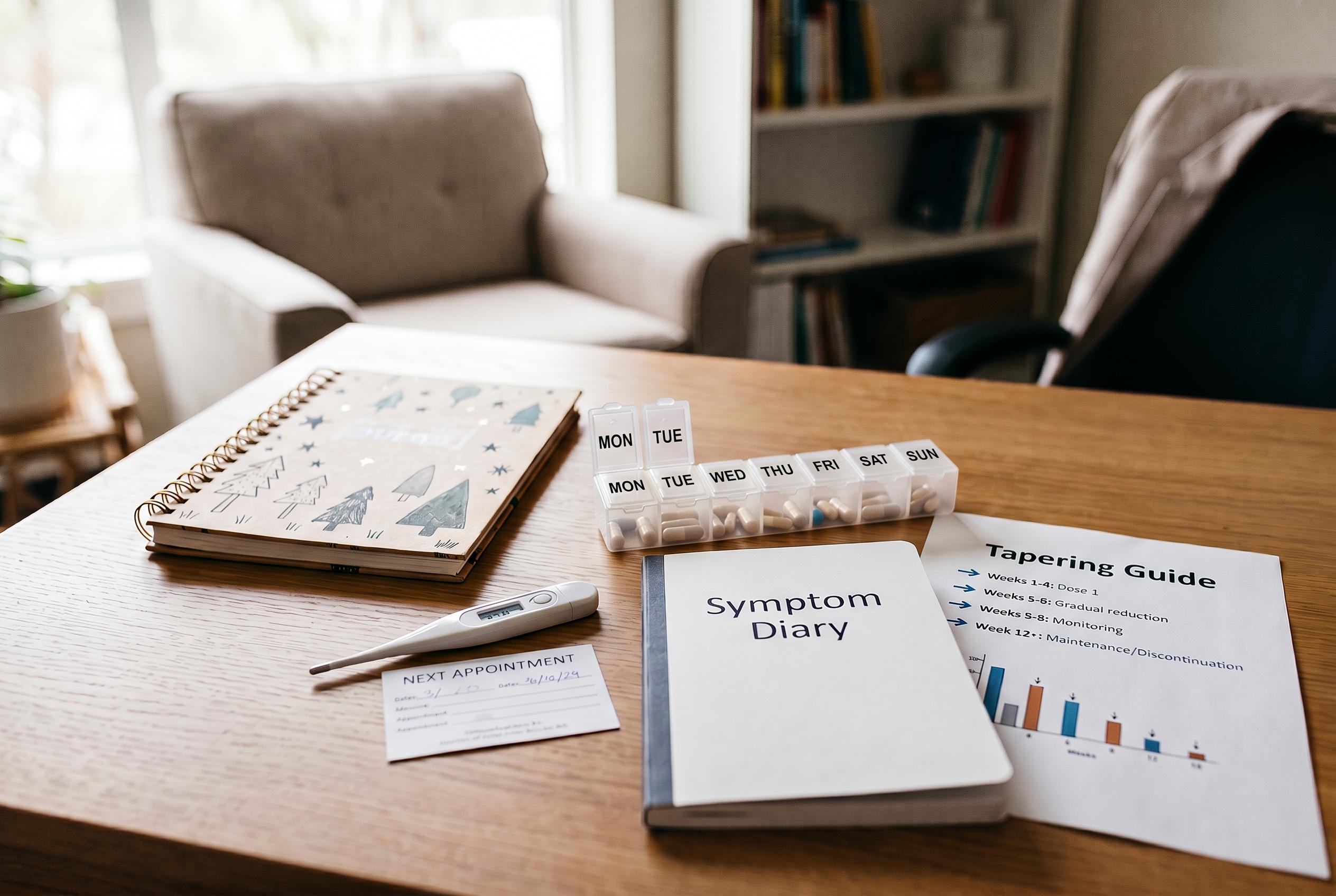
Iveli says stopping treatment should be managed gradually, not abruptly, because sudden withdrawal can trigger discontinuation symptoms. Primerano describes the aim as moving through three stages: improvement, maintenance and, when clinically appropriate, recovery without medication. There is no fixed timetable for everyone. Some patients can reduce treatment sooner; others need more time. In that sense, ending the medicine is part of the treatment, not an afterthought.
Disclaimer: This content is for informational purposes only and is not intended to be a substitute for professional medical judgment, advice, diagnosis, or treatment.