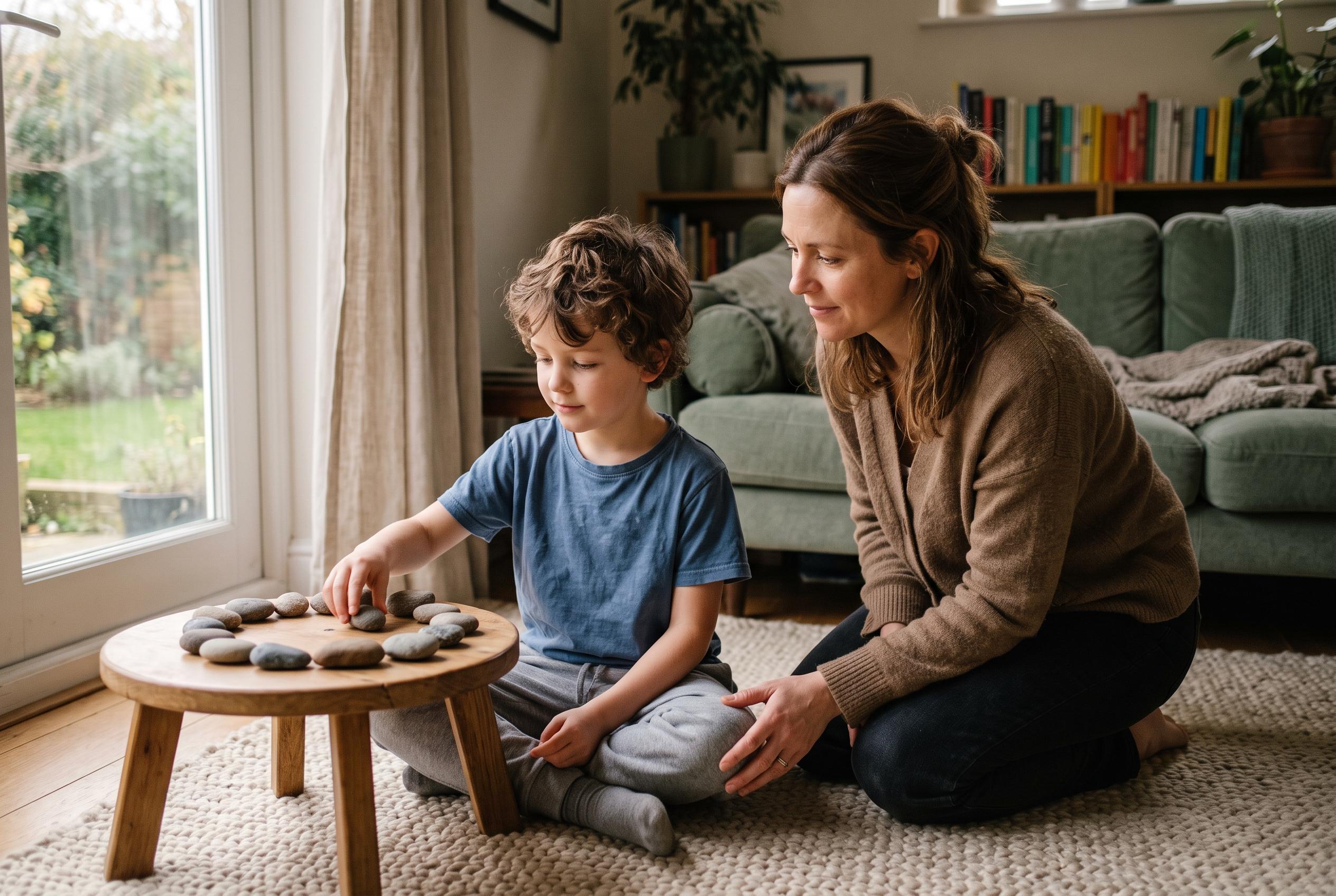

Children often mask their emotions during the school day, only to release built-up stress at home in a pattern known as after-school restraint collapse. Experts recommend calm routines and emotional support to help children decompress and manage their feelings effectively.
Some children seem to hold themselves together all day at school, then unravel the moment they get home. Tears, shouting, slammed doors or sharp words can follow, often leaving parents puzzled because nothing obvious appears to be wrong. Understood says this pattern is known as after-school restraint collapse, a term coined by counsellor and parenting educator Andrea Loewen Nair to describe the emotional release that can happen when a child no longer has to keep everything in check.
The idea is closely linked to self-regulation, or the ability to manage feelings, impulses and stress. According to Understood, children with ADHD, autism or both are especially likely to experience it, although it can affect any child. Related guides from Parenting Mentor, Today’s Parent and The Unfinished Idea describe the same broad pattern: masking, sensory overload and demand fatigue can leave neurodivergent children depleted by the end of the school day, so home becomes the place where the pressure finally lets go.
The signs are not always the same. Some children cry, yell or throw things. Others retreat to their rooms, shut down, or say hurtful things they would not normally say. Understood and Apex ABA both note that the behaviour can look external, such as screaming or slamming doors, or internal, such as withdrawal and exhaustion. The common thread is that the child is no longer able to hold in what has built up during the day.
Experts quoted by Understood recommend making the first part of the home routine as calm and predictable as possible. Andy Kahn, a clinical psychologist at Understood, said children often need time to decompress before they are asked to do homework or chores. He advised parents to deal first with hunger, tiredness and the need to reconnect. Practical steps include a snack, quiet time, soft music, a blanket, a hug or other physical reassurance. Parents are also urged not to lead with negative questions about school, which can push a child further into distress.
If a child is already yelling or crying, Understood suggests keeping the response low-key and calm. Raising a voice can intensify the episode, while a measured reply can help bring the emotional temperature down. The article also recommends turning away from verbal aggression when safety allows, then talking later, once the child has settled, about what happened and what might help next time. If the pattern is frequent, Understood says parents should share observations with teachers and health professionals so they can look for school-based stressors, learning issues or medical causes that may be adding to the strain.
Disclaimer: This content is for informational purposes only and is not intended to be a substitute for professional medical judgment, advice, diagnosis, or treatment.