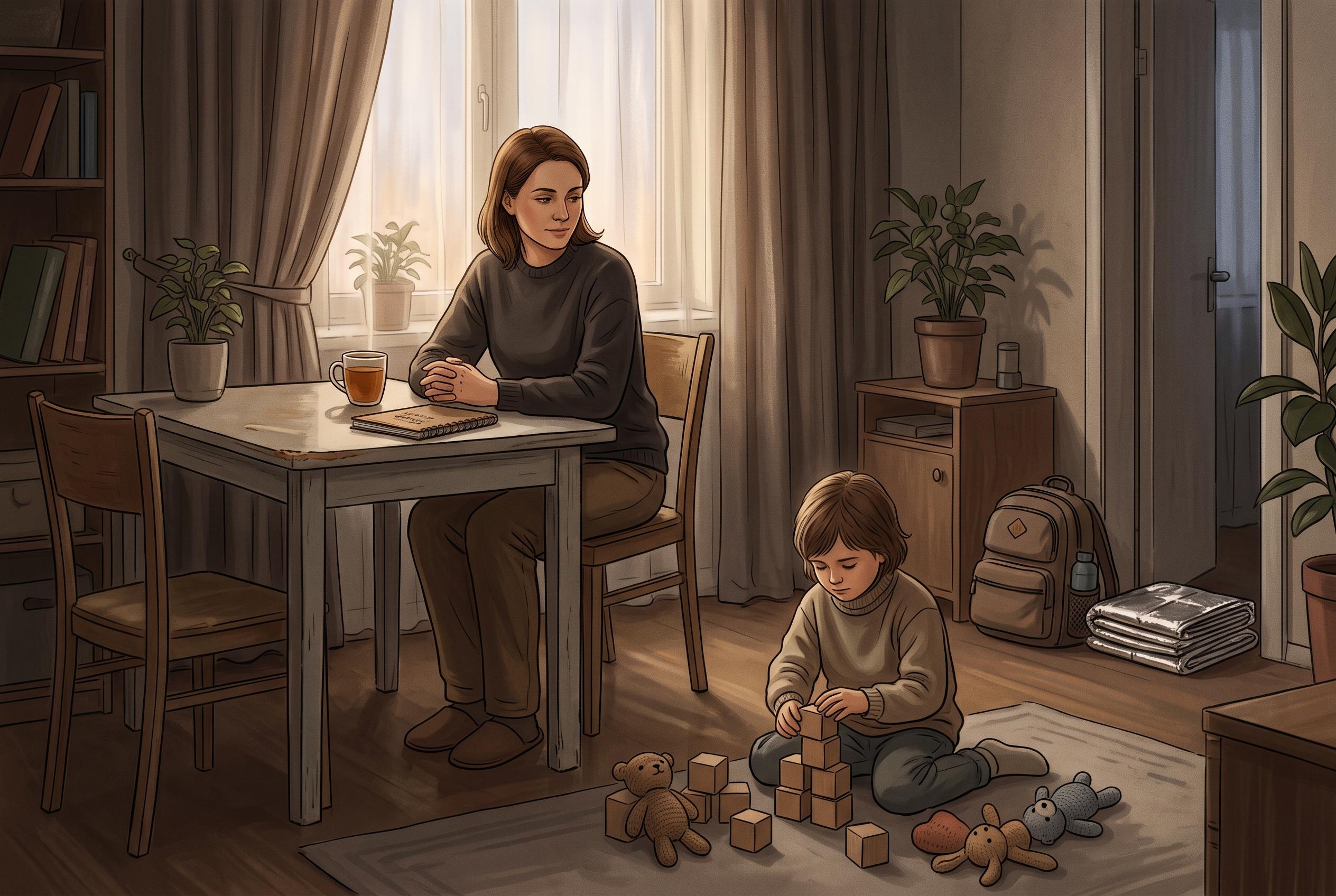

A pioneering study led by Oxford reveals that a community-led support programme significantly reduced violence against children and boosted parental mental health in war zones, highlighting the importance of early intervention amidst ongoing conflict.
Ukrainian parents who took part in a support programme designed for families living through war reported that violence against children fell by 52.7%, while symptoms of depression and anxiety in adults dropped by 57.4%, according to a randomised trial led by the University of Oxford and published in The Lancet Regional Health – Europe. The study, involving 510 parents and caregivers, is unusual because it tested a group-based mental health, parenting and violence-prevention intervention during an active conflict rather than after hostilities had ended.
The programme, called Hope Groups, ran for 12 sessions and was built from evidence-based material that was then adapted with Ukrainian parents rather than imported as a ready-made model. Local facilitators, recruited and trained through churches and community organisations, led small groups in shelters, community centres, churches, private homes and, when needed, over Telegram video calls. Researchers said the non-clinical format was designed for a setting in which health and protection services are already under strain.
The findings come against a wider backdrop of children exposed to conflict. Analysis by the Peace Research Institute Oslo suggests that more than one in five children worldwide were living in a conflict zone in 2024, and decades of research on adverse childhood experiences have shown how early trauma can shape health and wellbeing for life. Sydney Tucker, the study’s lead author at Oxford, said investment in mental health and child-protection support should not wait for peace, arguing that doing so risks missing a crucial window for action.
The trial also found stronger protective parenting practices, greater hopefulness about the future and coping with grief, fewer child behaviour problems and higher levels of behaviour aimed at preventing violence against women. Researchers reported no harms or adverse events in either group. They are now urging donors and humanitarian agencies to treat parenting support and caregiver mental health care as standard elements of emergency response in war and displacement.
Disclaimer: This content is for informational purposes only and is not intended to be a substitute for professional medical judgment, advice, diagnosis, or treatment.