

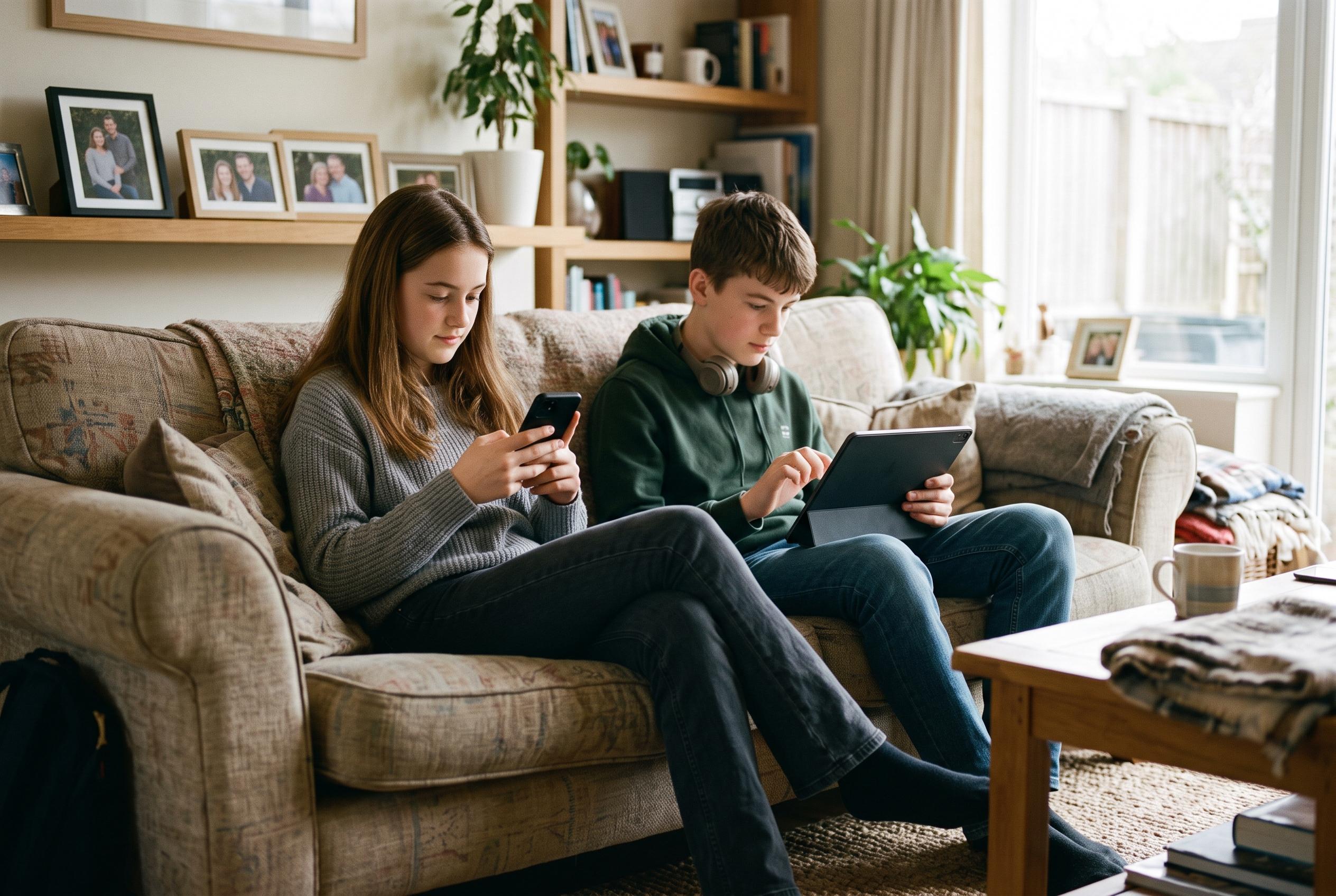

A study of 21,797 Swedish twins found heavier interactive screen use in adolescence was linked to later anxiety and depression, but the association weakened substantially when shared family and genetic factors were taken into account.
A large Swedish twin study has added fresh nuance to long-running concerns about children’s screen habits and mental health, suggesting that the link between recreational screen use and later anxiety or depression is real but partly shaped by family background and other shared influences.
Published in Nature Human Behaviour, the research tracked 21,797 twins from the Child and Adolescent Twin Study in Sweden, following them from age nine into early adulthood. Researchers looked at recreational screen use, including television, gaming, web browsing and chatting, alongside symptoms of anxiety and depression over time. According to the report, heavier screen use in adolescence was associated with more internalising symptoms, but those links weakened when the team compared twins who had grown up in the same home.
The clearest associations appeared in the teenage years, especially for interactive activities such as gaming, chatting and internet use. Boys reported more time on those activities than girls, but the study found that the cross-sectional links with emotional symptoms were often stronger in girls. When the researchers examined identical twins who differed in screen habits, the associations shrank further, which the authors said points to shared genetic and environmental factors playing a meaningful role. Karolinska Institutet, whose researchers were involved in the work, said the findings were most pronounced for interactive screen use during adolescence rather than passive viewing.
The study also followed participants into young adulthood using national health registers, linking survey data to first recorded diagnoses of anxiety or depression and to antidepressant dispensing. Among 15-year-olds, spending more than six hours a day on interactive screen activities on weekdays or weekends was associated with a higher risk of those later recorded outcomes than spending two hours or less. Daily gaming at age nine was also tied to a higher risk in the full sample, especially among boys, although those associations weakened in the twin comparisons. Watching television, videos or DVDs did not show a convincing relationship with later mental health outcomes.
The findings fit into a wider debate over whether screen time itself harms mental health or whether young people with emerging emotional difficulties are simply more drawn to digital activities. The researchers said the answer is likely to involve both directions of influence, as adolescents with more internalising symptoms at age 15 reported slightly more interactive screen use at age 18. They also noted important limits: much of the data came from a period before smartphones and social media became central to teenage life, screen categories were broad, and the measures were self-reported. Even so, the study adds weight to calls for more detailed research into which online activities matter most, and for guidance that reflects how children actually use screens rather than treating all screen time as the same.
Disclaimer: This content is for informational purposes only and is not intended to be a substitute for professional medical judgment, advice, diagnosis, or treatment.



