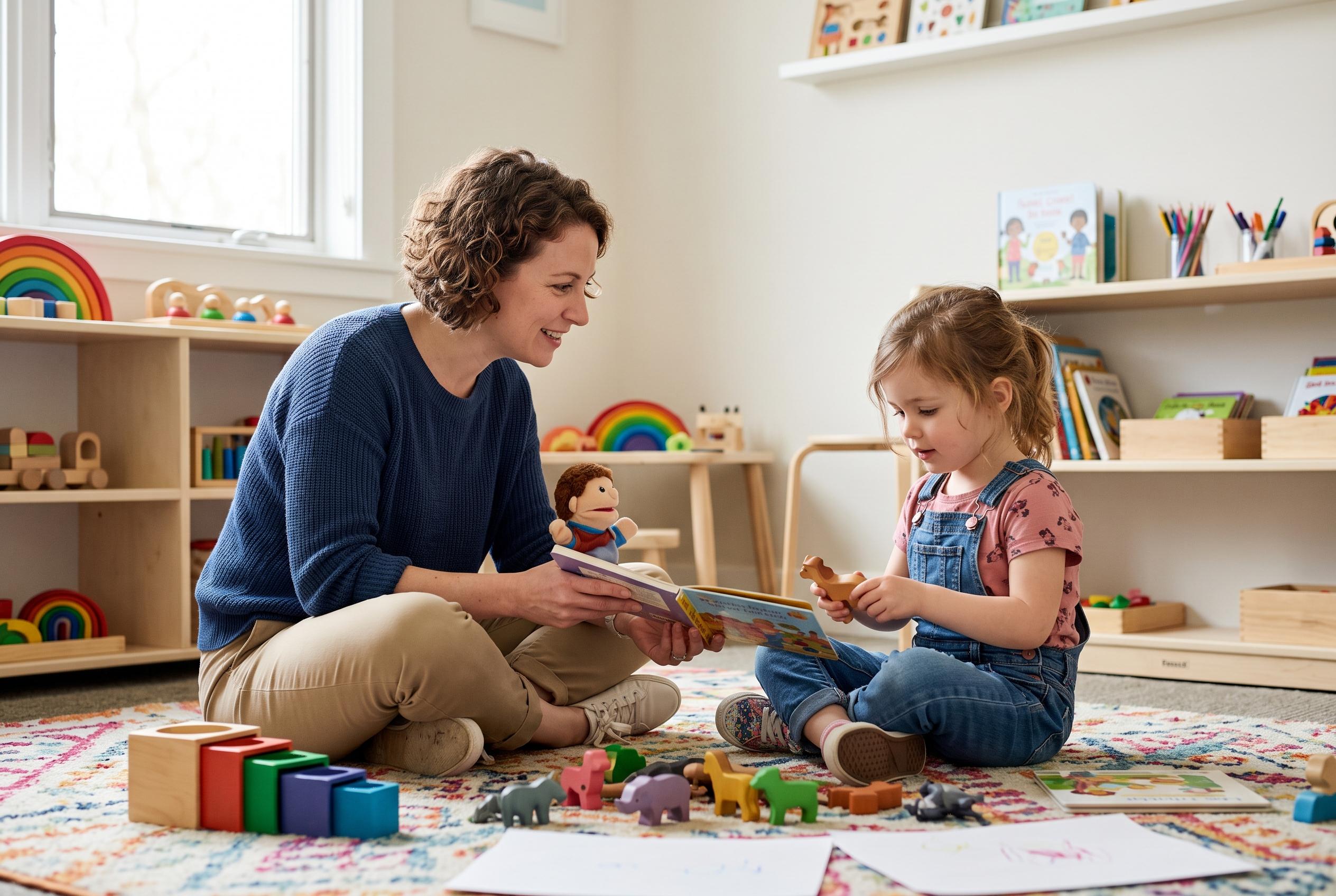

Experts emphasise the importance of routine screening and compassionate evaluation for children displaying disruptive behaviour, recognising that early understanding and tailored support can prevent long-term psychological risks.
When a teacher, clinician or family member notices behaviour that does not quite fit expectations, the instinct to dismiss it can be powerful. Yet the cost of denial can be far greater than the discomfort of looking more closely. A child who is struggling does not benefit from silence; they benefit from understanding, support and a plan that matches their needs.
Specialists have long warned that disruptive behaviour in early childhood can be more than a phase. A review in the medical literature found that such behaviour can signal present or future mental health risks and may affect development, family life, friendships and access to childcare. It also argued for routine screening, standardised assessment and evidence-based parent training as first-line support.
That matters because uncertainty itself can become part of the problem. Research on children and adolescents has found links between difficulty tolerating uncertainty, anxiety sensitivity and anxiety symptoms, suggesting that when adults delay assessment, they may leave children to wrestle with fears that could have been addressed earlier. In practice, a timely evaluation is not a verdict on a child’s future but a way of understanding what is driving the behaviour.
The same principle applies to broader assessment of young children with behaviour problems. A recent systematic review in the medical literature said such concerns are among the most common reasons young children are referred for evaluation, and stressed the importance of separating ordinary misbehaviour from patterns that warrant intervention. That distinction can help families avoid both overreaction and harmful delay.
Families often worry that a diagnosis will label a child for life, but research on parents’ experiences of an anxiety diagnosis found that many value clarity, being heard and access to support. A separate systematic review of genetic testing in children found that serious psychological harm is uncommon, although some families do face distress, guilt or discrimination, underlining the need for careful, compassionate communication. In that sense, the real risk is not the assessment itself but the refusal to learn what a child needs. The child’s worth does not change because their support does.
Disclaimer: This content is for informational purposes only and is not intended to be a substitute for professional medical judgment, advice, diagnosis, or treatment.