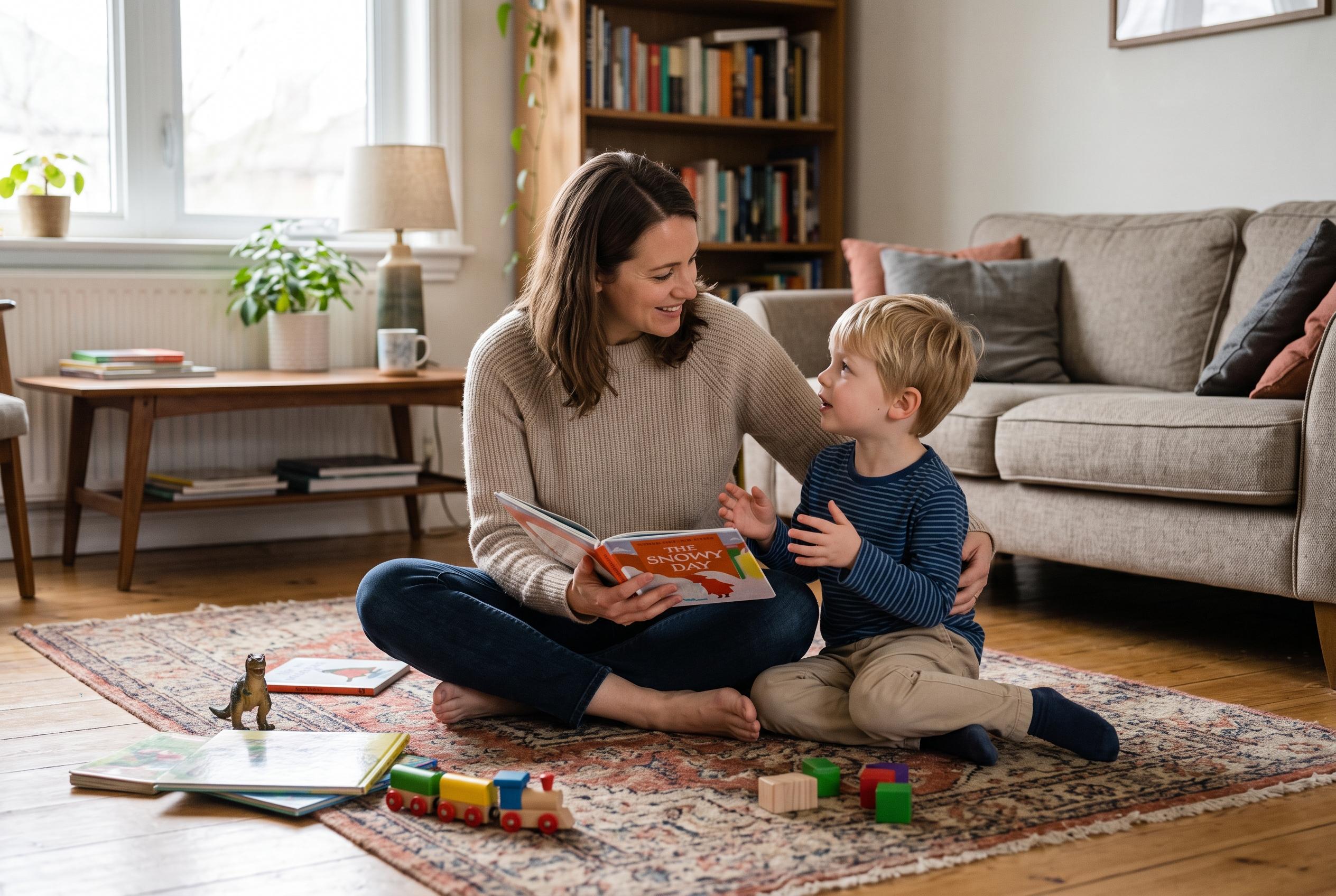

Family counsellors warn that subtle comments and habitual phrases may profoundly influence a child’s self-esteem and emotional resilience, often more than dramatic conflicts.
Family counsellors often say the most revealing moments in a home are not the explosive ones, but the small, habitual comments that pass almost unnoticed. After years of speaking with parents and children, one pattern stands out: the language adults use in frustration can shape how a child sees themselves, their siblings and even their own feelings.
Among the most damaging habits is comparison. Several parenting pieces published in recent years, including one in Yahoo Health and another in Netmums, point to remarks such as asking a child why they cannot be more like a brother or sister. The problem is not simply that one child is being praised and another criticised. It is that the child hearing it is encouraged to measure their value against someone else, which can fuel rivalry, insecurity and a lasting sense of inadequacy.
Other lines are harmful because they train children to distrust emotion. Phrases that dismiss tears, or imply that a child is exaggerating, may stop a moment of distress in the short term, but they also teach that feelings are inconvenient. Related commentary in The Times of India and other parenting guides argues that children do better when adults explain rules, name emotions and show that strong feelings can be managed rather than punished. That approach gives children a clearer model for self-control than threats or blanket commands ever can.
A different risk comes from guilt-heavy language. Saying a child is ungrateful, or insisting that a parent does everything for them, puts emotional responsibility where it does not belong. Instead of learning how to express needs, children can become preoccupied with managing the adult’s mood. Over time, that can make family life feel tense and confusing, especially when one parent is positioned as the final authority and the other as the person to fear later.
Some of the most misleading comments are the ones that sound warm. A promise such as wanting a child to be happy may come from love, but it can create an impossible standard if it suggests that sadness, frustration or boredom are unwelcome. In that atmosphere, children may hide difficult emotions rather than bring them forward. Family experts quoted across several recent parenting pieces say the healthier goal is not constant happiness, but emotional honesty and resilience.
What ties these phrases together is not that every parent who says them is cruel. It is that repeated language, especially when paired with shouting, silence or sudden denials that anything is wrong, can slowly erode trust. Large-scale reporting on family estrangement has shown how often relationships break down through accumulated hurts rather than one dramatic event. In that sense, everyday speech matters: children remember not only what was said, but the message underneath it.
Disclaimer: This content is for informational purposes only and is not intended to be a substitute for professional medical judgment, advice, diagnosis, or treatment.