

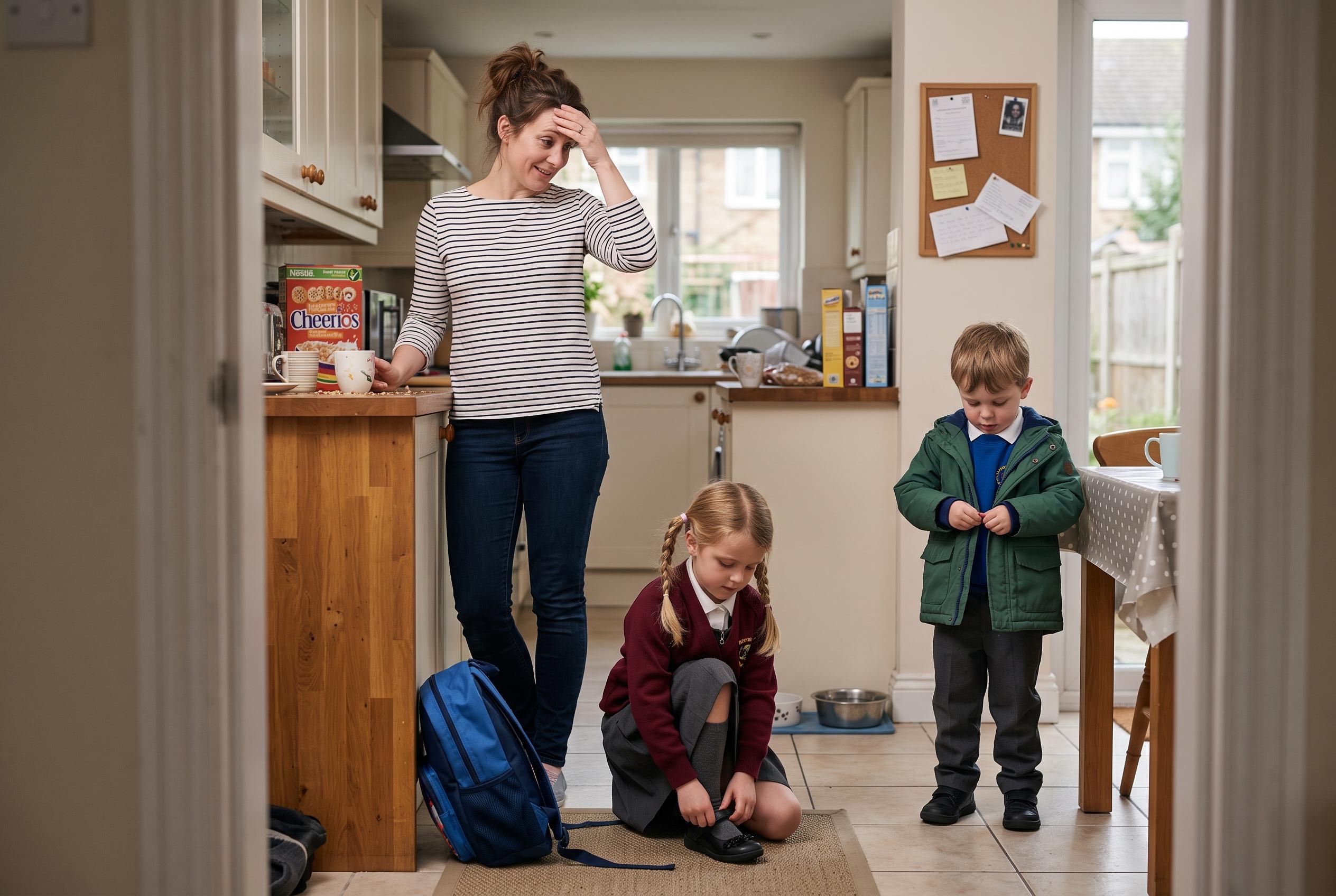

Repeated shouting often follows a recognisable daily pattern, and identifying the trigger could help parents replace an automatic reaction with a calmer response.
Many parents beat themselves up after raising their voice, but repeated blow-ups often follow a familiar rhythm rather than reflecting a flaw in character. In the episode from No Guilt Mom, the core idea is simple: if you seem to lose your temper at roughly the same point every day, that timing matters. It can reveal a predictable pressure point in family life, not a lack of love or a lack of care.
The episode traces that moment back to a chain of events: something happens, the parent feels flooded, and then the mind quickly adds a story about intent. That split-second interpretation can turn a manageable irritation into a burst of anger. Healthline has similarly noted that yelling often comes when adults feel overwhelmed, while Even Keel Parenting argues that the behaviour is usually a learned reaction, not an inevitable trait.
What makes this especially useful for parents is the emphasis on timing. The episode points to everyday flashpoints such as the late-afternoon scramble, the dinner-hour refusal, or the end-of-day bedtime pushback. Those moments tend to repeat because the same emotional and practical pressures are building again and again. WebMD has advised parents to identify triggers and use small physical resets, such as stepping away or taking a breath, before responding.
Rather than urging parents to simply “try harder” to stay calm, the episode argues for planning ahead. A helpful approach is an if-then plan, which means deciding in advance what you will do when the predictable moment arrives. That might be as modest as leaving the room, lowering your voice, or repeating a prepared phrase instead of reacting on impulse. The point is to replace the old pattern with one concrete alternative.
The wider message, backed by parenting guidance across several sources, is that yelling usually signals stress, fatigue or emotional overload. It can strain the parent-child relationship if it becomes a regular habit, but it can also be changed by noticing the trigger, challenging the story you tell yourself and preparing a calmer response before the pressure peaks. Parents and caregivers do not necessarily need more patience in that vulnerable window; they often need a plan that is small enough to use in real life.
Disclaimer: This content is for informational purposes only and is not intended to be a substitute for professional medical judgment, advice, diagnosis, or treatment.



