

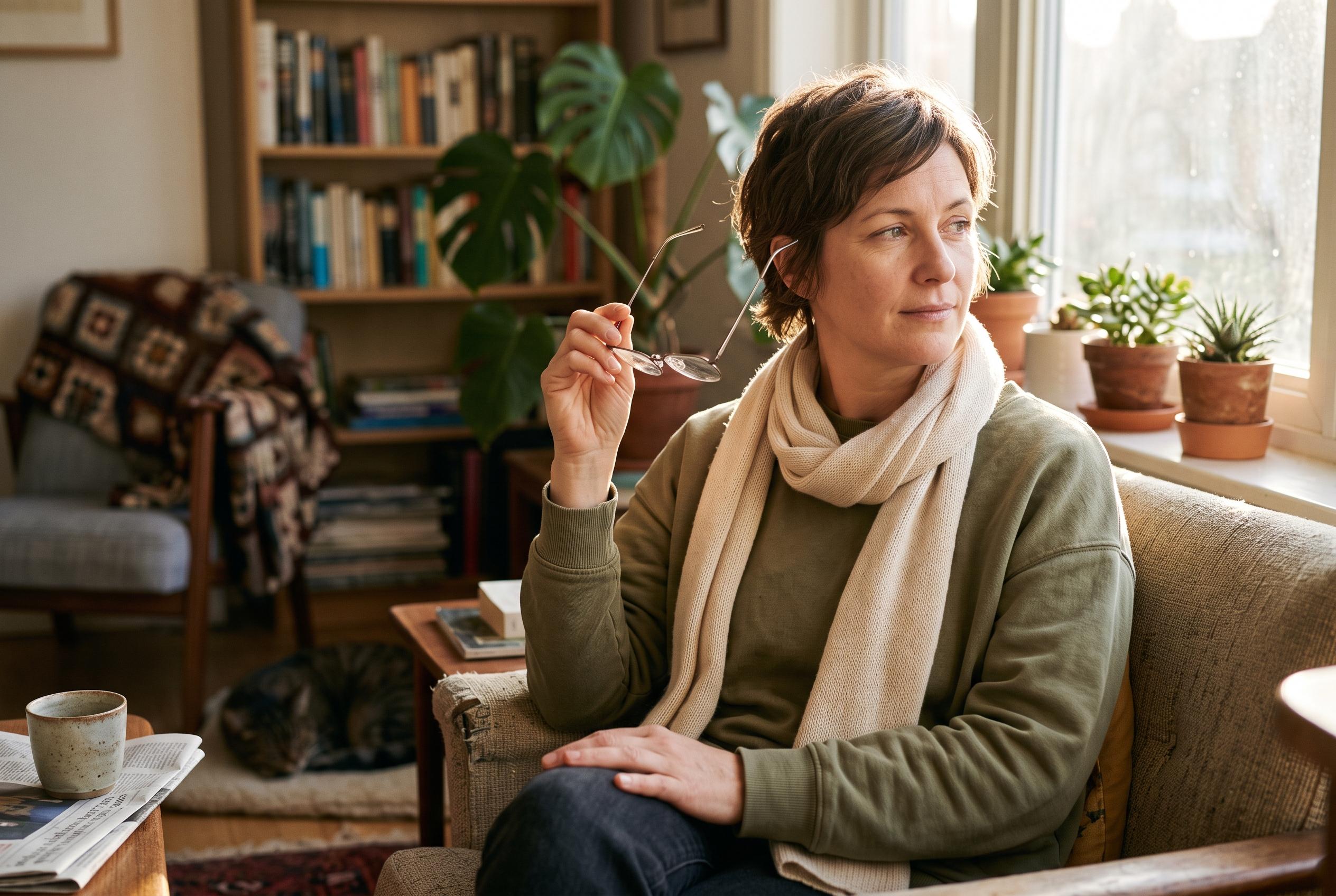

As more Australians are diagnosed with autism in adulthood, many are finding relief and validation after years of masking, exclusion and feeling misunderstood.
Autism is often misunderstood as a problem to be fixed or a passing label to be outgrown. Yet the lived reality described in this feature is very different: for many people, it is a lifelong way of experiencing the world, one that can bring both difficulty and clarity. The article centres on that tension through the stories of autistic Australians who spent years feeling out of step with those around them before finally recognising themselves in a diagnosis.
Anna’s experience captures that sense of long, quiet confusion. As a child, she watched her peers with studied intensity, unsure why they moved through play and friendship so effortlessly. At school, she learned to hide in plain sight, trying not to stand out for being too much, too little, too visible or too unusual. That pressure to appear ordinary is a familiar theme in autism narratives, especially for people whose traits were overlooked in childhood and only understood much later in life.
The article also reflects the shift in how autism is being discussed more broadly. According to the Australian Bureau of Statistics, 290,900 Australians were identified as autistic in 2022, equal to 1.1% of the population and up sharply from 2018. The ABS said autism was more commonly reported among males than females, while also noting that most autistic people need help with at least one everyday activity. That data helps explain why autism is being discussed more often, but it also underlines a deeper point: higher numbers do not mean autism is new, only that it is being recognised more often and in more people.
Researchers and advocates quoted in the article push back against the old view that autism is mainly a condition of young white boys. They argue that greater awareness, broader diagnostic criteria and improved access to assessments have helped more adults, especially women and girls, understand themselves later in life. The piece also notes the emotional impact of an adult diagnosis: for some, it brings relief and validation; for others, it comes with grief over the years spent feeling misunderstood or blamed for traits they could not control.
A central idea in the article is that communication breakdowns are not the fault of autistic people alone. Professor Robyn Young of Flinders University says misunderstanding goes both ways, and that society needs to be more willing to adapt. The article describes sensory overload, routines, stimming and intense interests as common features for some autistic people, while stressing that no two autistic people are the same. That point is reinforced by the voices of autistic writers and self-advocates who describe autism not as a single script, but as a wide range of strengths, needs and personalities.
The article does not shy away from the harder truths. It refers to bullying, exclusion and the strain of masking, the practice of copying neurotypical behaviour in order to fit in. It also cites research suggesting autistic people face higher risks of poor mental health and suicide, which makes acceptance and support more urgent, not less. At the same time, the feature points to the resilience, humour, intelligence and specialist talents that many autistic people bring to their families, workplaces and communities.
By the end, the message is not that autism should be romanticised or denied as a disability. Rather, it is that autistic people should not be forced into narrow expectations of normality. The article argues for a more flexible society, one that makes room for difference instead of treating it as failure. In that framing, Anna’s late diagnosis is not an ending but a beginning: a chance to understand herself, ask for support and live more openly as who she is.
Disclaimer: This content is for informational purposes only and is not intended to be a substitute for professional medical judgment, advice, diagnosis, or treatment.



