

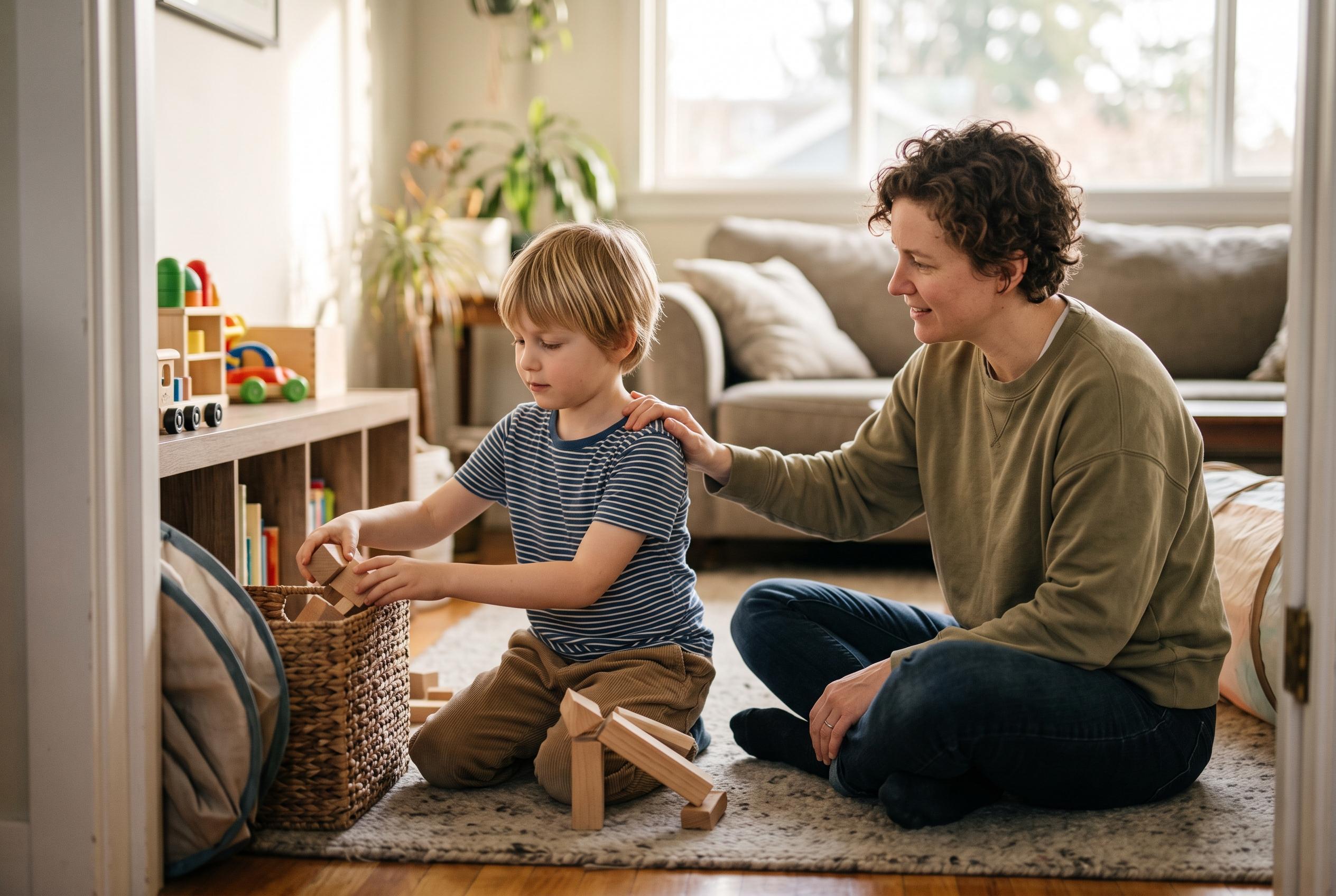

Experts emphasise that children’s need for affection remains vital even as they seek independence, with balanced parenting combining warmth, clear boundaries, and exemplary behaviour to foster resilience and secure development.
Children do not stop needing affection, even when they start acting as though they do. Parents and caregivers may get eye rolls, impatience or requests for distance, but young people still depend on them for comfort, direction and a sense of safety. The central message from parenting guidance is simple: when children feel genuinely loved, they are better able to cope, grow and carry that security into adult life.
That idea sits at the heart of what many experts call balanced, or authoritative, parenting. UNICEF’s Asia Pacific guidance says children do best when warmth is paired with clear rules and open communication. Betteroo describes the same approach as a middle path between rigid control and total permissiveness: parents set expectations, explain decisions and respond with empathy. The result, across decades of research, is usually stronger self-esteem, better school performance and healthier decision-making.
The lesson, though, is not only about affection.It is also about example. Parents who tell teenagers not to smoke, drink or use drugs while modelling those same behaviours at home weaken their own message. Children notice what adults do, not just what they say. Guidance from Parents Lead in North Dakota makes a similar point: feeling loved is important, but children also learn trust, confidence and habits from the conduct they see every day.
Balanced parenting also means knowing when to step back. Overprotecting children can send the opposite of the intended message, suggesting that parents do not trust them to cope. By contrast, allowing age-appropriate independence helps young people practise judgement while still knowing support is available. As talksubstance.org notes, the strongest parent-teen relationships combine warmth, firmness and respect for a young person’s developing individuality. The aim is not to control every outcome, but to build resilience. According to Montessori.org, children who feel truly loved are more likely to grow into secure, adaptable adults; that emotional safety can be one of the most protective forces in their lives.
Disclaimer: This content is for informational purposes only and is not intended to be a substitute for professional medical judgment, advice, diagnosis, or treatment.



