

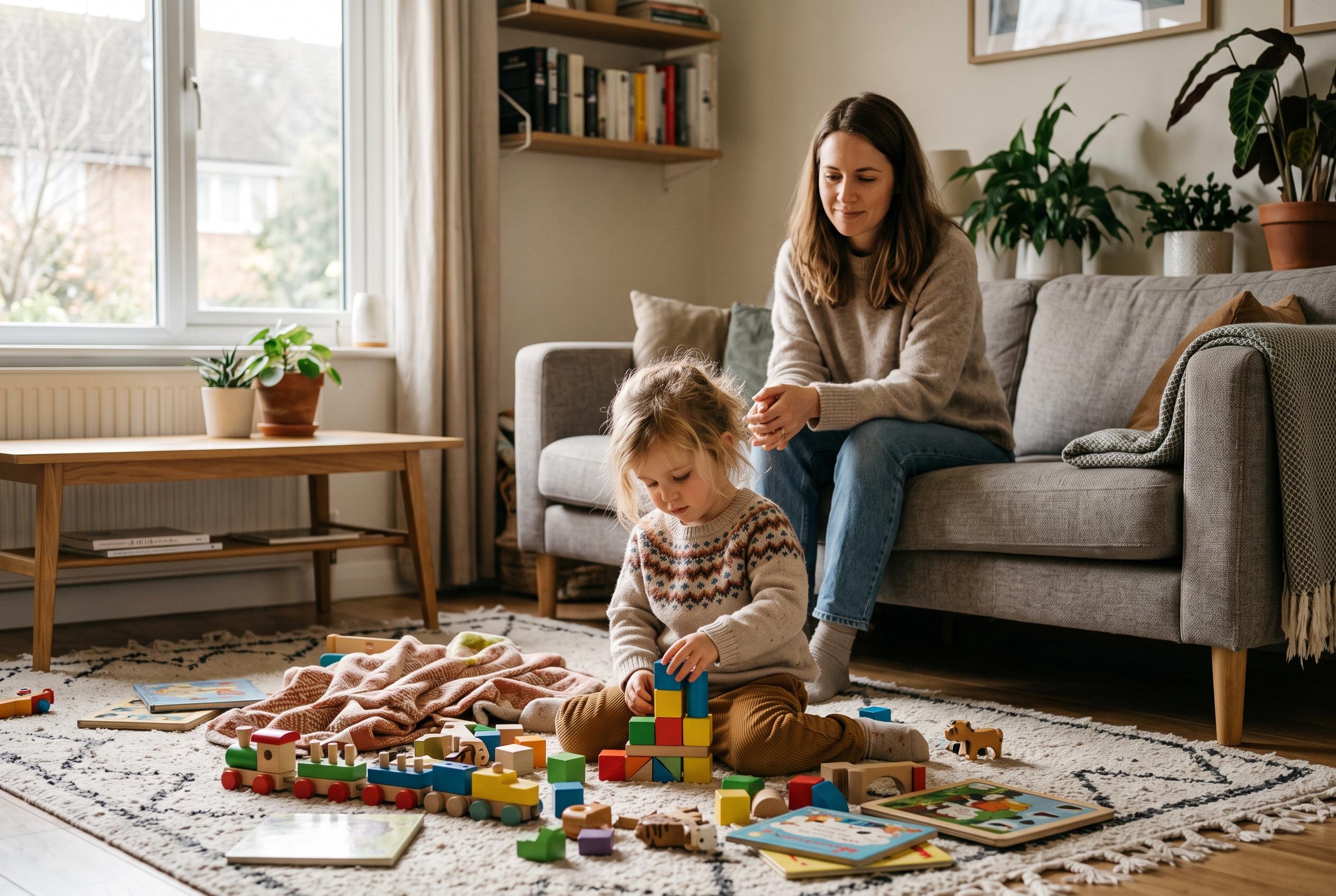

Experts say stepping in too quickly, giving in to avoid conflict and removing every frustration can prevent children from developing independence, persistence and consideration for others.
Many parents recognise the scene: a child who wants the blue cup, not the clear one; help with a snack; a hand finding a toy that is already in plain sight. On its own, that kind of behaviour is not a crisis. But parenting writers and child-development specialists say the habits adults build around those moments can shape whether children grow into capable, considerate people or into children who expect everyone else to smooth the way.
The concern is not love, attention or comfort. It is the pattern of doing too much, too soon, and too often. The Atlantic recently framed modern parenting as a search for resilience rather than perfection, and that idea sits at the heart of this discussion: children do not need parents who remove every friction, but parents who know when to step back. Baby Chick and other parenting guides say the risk of entitlement grows when adults repeatedly solve, soothe and supply before a child has had a chance to try for themselves.
One common trap is speed. When a child is slow to dress, dawdles over a task or struggles with a simple routine, it is often easier for a parent to take over and get on with the day. Yet child-development experts say independence is built through practice. Small, ordinary jobs – putting shoes by the door, carrying a plate to the sink, packing part of a school bag – help children learn planning, patience and follow-through. The Harvard Centre on the Developing Child has long argued that these skills grow through repeated use, not by accident.
Another pattern that can feed entitlement is giving in simply to avoid an argument. If a child learns that repeated complaining, crying or pleading eventually changes a decision, they also learn that boundaries are negotiable if they push hard enough. Parents do not need to turn every no into a debate. A calm, brief answer, paired with acknowledgement of a child’s disappointment, teaches something important: feelings are real, but they do not automatically overturn limits.
There is a similar issue when parents turn every small request into their own responsibility. A child who always calls for help before trying may not be lazy or manipulative; often, they have simply learned that asking is easier than attempting. Parenting advice across several family-focused publications suggests the better response is to pause and check whether a child can make a start themselves. That might mean encouraging them to fetch their own water, look for a misplaced toy or try a stubborn package before an adult steps in.
Problem-solving is another area where well-meaning parents can overdo things. It is natural to want to rescue a child from frustration, especially when a puzzle will not fit, a tower collapses or a friendship turns tense. But if adults solve every difficulty immediately, children miss the chance to practise persistence. The more useful approach is to guide rather than replace: ask what they have tried, what else might work or what the first step could be. Children benefit from support, but they also need room to struggle safely.
Praise can also become part of the problem when it is too vague and too constant. Children who hear “good job” for almost everything may become dependent on approval without understanding what exactly they did well. Parenting specialists say it is more helpful to notice effort, contribution and impact: carrying a plate to the sink, sticking with a difficult puzzle or noticing a sibling’s feelings. That kind of feedback links behaviour to responsibility, rather than simply rewarding a child for existing or pleasing an adult.
Family life itself offers one of the clearest antidotes to entitlement. Children do not need to earn their place in the household, but they do need to see that everyone contributes. That may start with putting toys in a basket, taking napkins to the table or helping to tidy up after dinner. The point is not efficiency. It is belonging. A child who grows up seeing that a home runs because everyone helps begins to understand that their needs matter, but so do everyone else’s.
The same principle applies to disappointment. A child who is upset because they cannot have the toy, snack or privilege they wanted is not automatically being unreasonable. The question is whether the parent can hold the line without treating the child’s unhappiness as proof that the decision was wrong. Family and financial education sources alike note that children need to learn that they can be disappointed and still safe, loved and supported. That lesson matters just as much as gratitude or obedience.
Taken together, these habits suggest that entitlement is rarely the result of one dramatic mistake. It is usually built through countless small choices: stepping in too quickly, explaining too much, softening every no, or removing every inconvenience before a child has a chance to face it. That does not make parents failures. It makes them human. Most parents occasionally overhelp because they are tired, rushed or simply trying to keep the peace.
The more useful question is not whether a child has ever acted entitled, but whether the family pattern encourages helplessness or growth. If a child can try first, contribute in small ways, hear a clear boundary and still feel loved, they are far more likely to develop resilience. The aim is not to raise a child who never needs help. It is to raise one who learns, over time, that competence feels good, other people matter and not every inconvenience requires someone else to fix it.
Disclaimer: This content is for informational purposes only and is not intended to be a substitute for professional medical judgment, advice, diagnosis, or treatment.



