

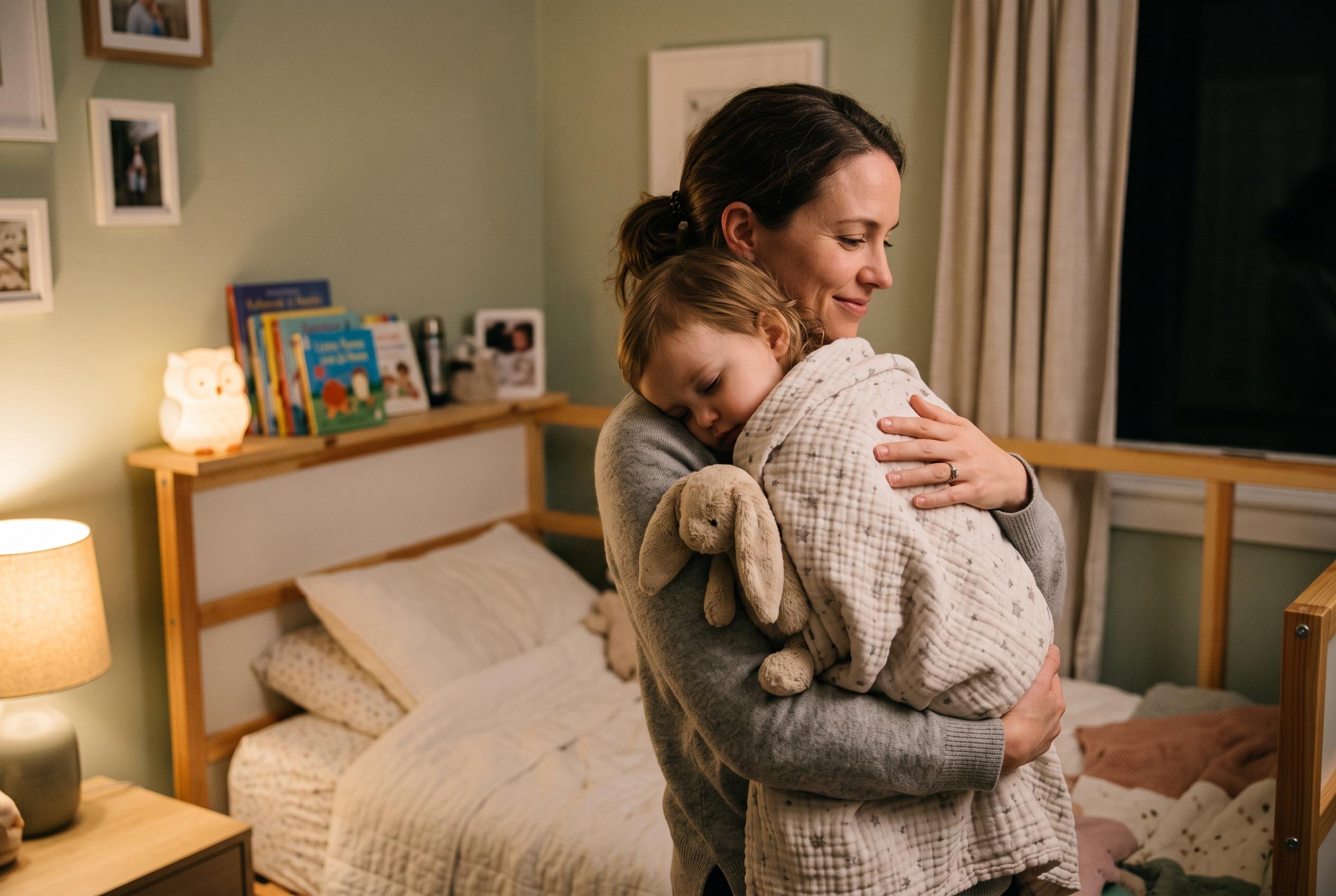

There is no magic combination of bath, book and lullaby, but a calm, familiar sequence can help toddlers settle , even when the details change.
Toddlers rarely follow a single script at bedtime, and that may be the point. Between a bath, a book, a favourite toy, a lullaby and one more round of negotiation, many families end up with routines that are part ritual, part improvisation. In a recent observational study of UK mothers with children aged one to three, there was no single winning formula. The broader message, backed by guidance from the US Centres for Disease Control and Prevention, is that children usually benefit less from any one specific activity than from a sequence that feels familiar, calm and dependable.
That sense of predictability matters because structure helps young children feel secure. The CDC says consistency, clear expectations and follow-through are central to building routines for toddlers, while the Sleep Foundation notes that a steady bedtime pattern can help children fall asleep more easily and wake less often during the night. In practice, that often means repeating the same broad order each evening: washing, brushing teeth, reading and then settling down, even if the details vary from home to home.
Research on children’s sleep also points to the value of calming, interactive contact. Studies reviewed by the article’s author suggest that cuddling, reading together and avoiding screens are all associated with better sleep onset and longer sleep. Equally important is what sleep specialists call encouraging autonomy: helping a child learn to settle with gradual support rather than constant intervention. That might mean a comfort blanket, soft background sound or a parent staying nearby without lifting, rocking or lying with the child until sleep takes over.
Many parents also rely on small tactics to signal that the end of the evening has arrived. Some keep to a firm “last story” rule and follow it with a drink of water or one final trip to the loo. Others use a bedtime player to replace the inevitable plea for another book. One parent described counting slowly to 100 beside a child, starting again whenever they moved or spoke. Another family turns the final stretch into a gentle list of everyone in the household who is going to sleep, a trick that appears to comfort a child who worries about missing out while the rest of the world carries on.
What emerges from all of this is less a prescription than a reminder that bedtime is personal. Cleveland Clinic advice for toddlers who resist sleep also stresses regularity and quiet, low-stimulation activities such as reading, bathing or listening to soft music, but even the most carefully designed routine may change as a child grows. Parents in the article described that shift plainly: what works one month may be abandoned the next. For those trying to keep bedtime on an even keel, the best approach may be to keep the framework steady, stay patient when it unravels and accept that a beloved ritual can be both a practical tool and a tiny piece of family life worth missing when it disappears.
Disclaimer: This content is for informational purposes only and is not intended to be a substitute for professional medical judgment, advice, diagnosis, or treatment.



