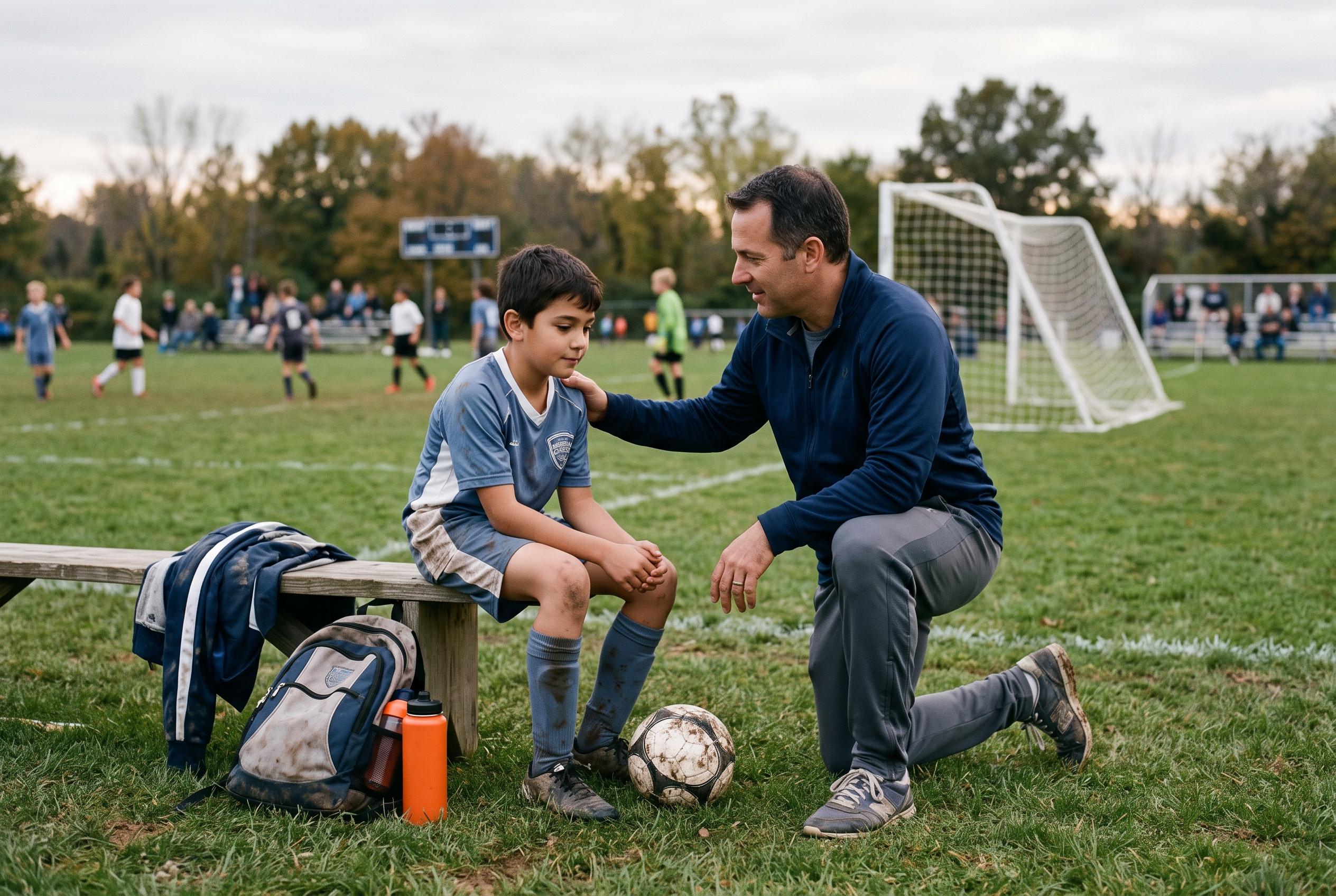

A recent reflection on youth sports highlights the importance of teaching children how to handle disappointment and setbacks, fostering resilience and good sportsmanship rather than just focusing on winning or losing.
Youth sports can expose children to more than drills, tactics and trophies. They can also teach them how to react when things do not go their way. In a recent reflection on coaching a U9 lacrosse team in metro Atlanta, the author described a tournament where the real lesson had little to do with scoreboards and everything to do with composure, especially in the stands.
After close losses, some adults responded with anger, blaming officials, opponents or conditions instead of offering comfort. That reaction, the writer suggested, risks teaching children that defeat must always be someone else’s fault. The better lesson, according to the piece, is that losing is part of sport and part of growing up.
That idea is consistent with advice from Cleveland Clinic, which says parents can help children handle disappointment by talking about winning and losing before games begin, listening to frustration without escalating it, and praising effort rather than outcome. Stanford Medicine Children’s Health similarly stresses that young athletes learn sportsmanship by respecting officials, playing fairly and ending games in a positive way. Together, those perspectives suggest that adults shape not only how children play, but how they recover when they fall short.
The emotional sting of losing is real. Sports psychology experts note that disappointment, anger and embarrassment can hit immediately after a defeat, which is why children often need a brief pause before they can move on. The piece argues that parents should allow that space rather than filling it with lectures, blame or post-match arguments. A calm hug, a short word of encouragement and a prompt return to normal life may do more good than a long analysis.
That approach also helps keep youth sport in proportion. Children do not need every loss recast as a crisis or an injustice. They need adults who model restraint, kindness and perspective, and who treat setbacks as chances to learn rather than reasons to shame. In that sense, the lesson from the lacrosse tournament was not about accepting defeat passively, but about teaching children how to lose well so they can live well.
Disclaimer: This content is for informational purposes only and is not intended to be a substitute for professional medical judgment, advice, diagnosis, or treatment.