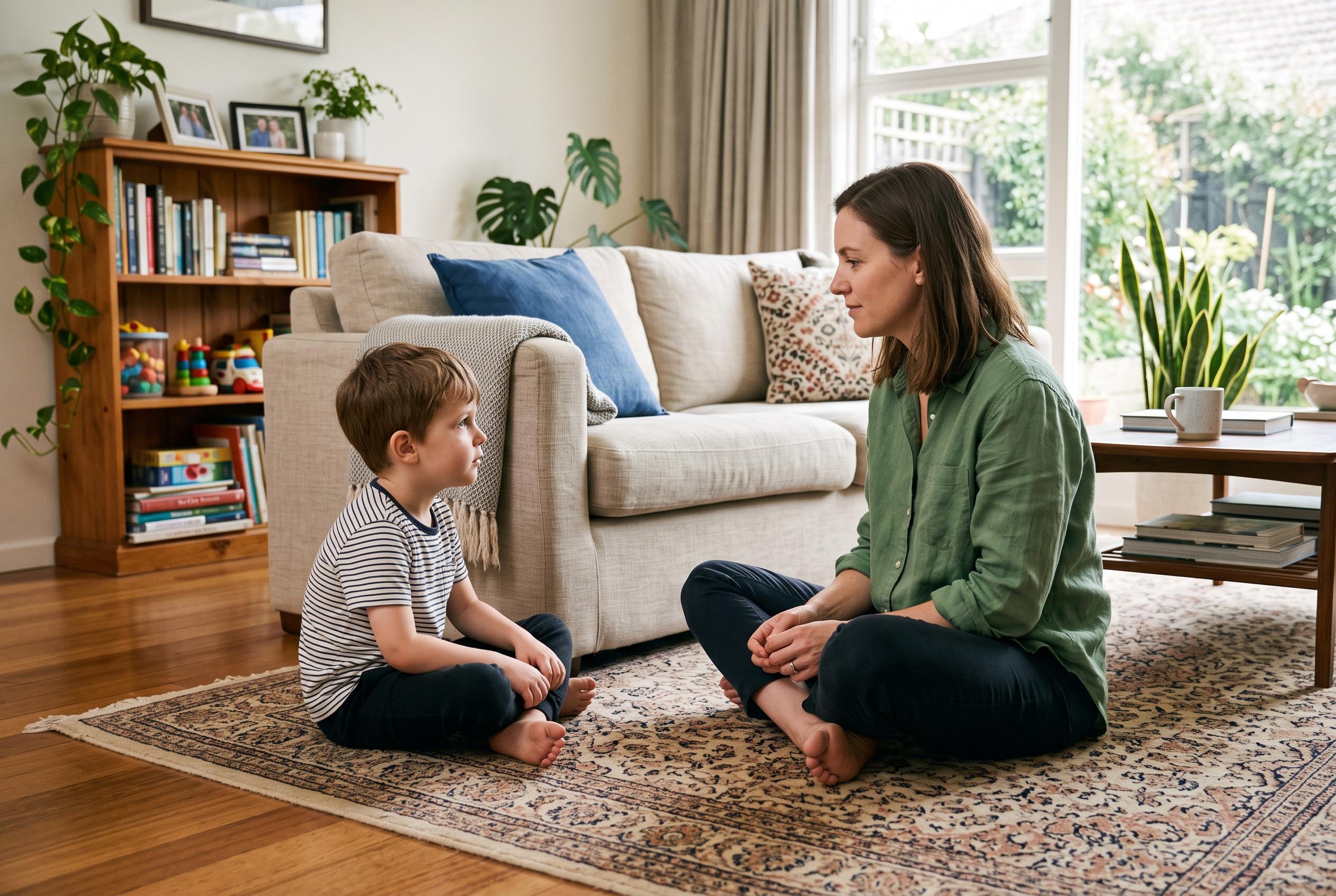

Parents and caregivers can turn everyday disagreements into vital lessons in communication, empathy, and problem-solving, shaping healthier relationships into adulthood by modelling respectful conflict management and establishing clear boundaries.
Children often learn how to handle conflict long before they have the words to explain it. A row over a toy, a noisy argument with a sibling or a disagreement at school can seem minor in the moment, yet the habits formed in those exchanges can shape how a child approaches relationships later in life. The Good Men Project argues that these everyday clashes can become teaching moments, helping children build communication, empathy and problem-solving skills that last into adulthood.
One of the most useful first steps is to slow the moment down and look for the cause. As Help Starts Here explains, children frequently fight over fairness, attention or simple misunderstandings, and adults do better when they address the trigger rather than just the noise. Encouraging children to use “I” statements, such as “I feel upset because…”, can help them describe what is going on without turning the exchange into an attack.
Parents and carers also play a large part in what children learn from conflict. The Good Men Project and Goddard School both stress that children copy what they see, so calm, respectful responses matter more than lectures. If adults model steady voices, careful listening and a willingness to negotiate, children are more likely to do the same when tensions rise. That approach also helps children see that conflict does not have to mean humiliation or winning at any cost.
Many specialists recommend giving children a simple method to follow when tempers flare. The Institute for Social and Emotional Learning says children benefit when adults define the problem clearly and use structured approaches, such as visuals or solution kits, to make the process easier to understand. Help Starts Here adds that children should be taught to listen to each other, brainstorm choices and compromise, because settling a disagreement is not the same as getting their own way. A practical routine might include pausing, naming feelings, hearing both sides, suggesting solutions and agreeing on a plan before moving on.
Boundaries remain essential, though. Michigan Medicine advises adults to keep disputes safe, stay neutral, calm children before handing down discipline and teach them to divide things fairly. Clear rules against hitting, yelling and name-calling give children a firm edge to work within, while praise for peaceful behaviour reinforces what good conflict management looks like. Over time, the aim is not to remove disagreement from childhood, but to help children learn that frustration can be handled with respect, patience and self-control.
Disclaimer: This content is for informational purposes only and is not intended to be a substitute for professional medical judgment, advice, diagnosis, or treatment.