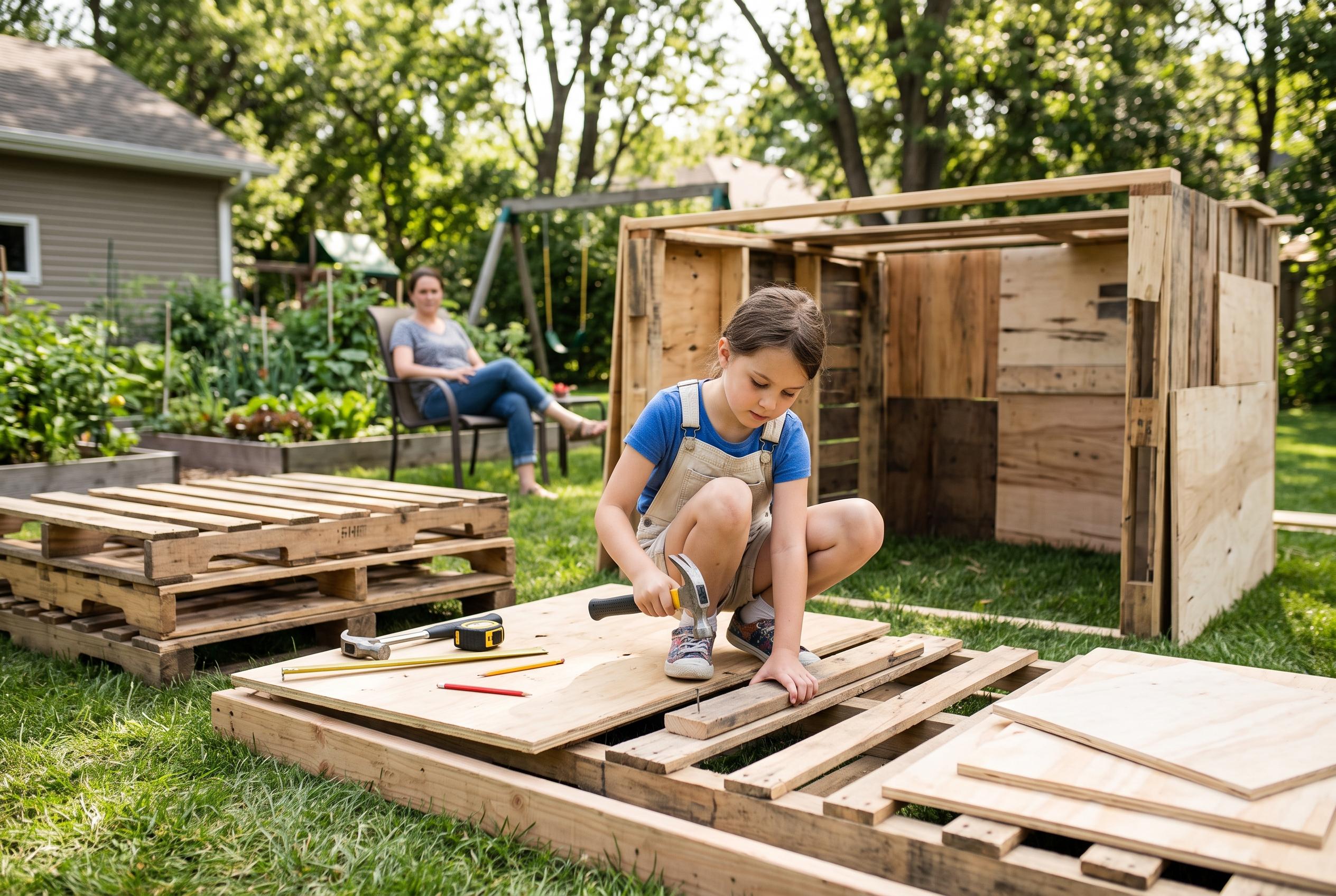

Experts warn that abrupt withdrawal of support during summer can hinder children’s growth in independence. Instead, a gradual approach rooted in structured guidance helps children build critical skills while still enjoying restful, open time.
Parents often hope summer will be the season when a child finally starts doing everything alone. With school pressures lifted, it can seem like the right time to stop reminding, stop organising and stop stepping in. But experts in executive function say that sudden withdrawal of support rarely produces genuine independence. More often, it leaves children without the scaffolding they still need to manage time, tasks and expectations.
That is because executive function is not a fixed trait but a set of learned skills that develop over time. Harvard Health says planning, organisation and self-monitoring are central to a child’s success at school and beyond, while Cleveland Clinic describes executive function as a broader system that also includes working memory, cognitive flexibility and inhibition control. Those abilities mature gradually, which means children usually need repeated practice and external cues long before they can reliably manage themselves.
The better approach, The Ladder Method argues, is not to act as a manager but as a coach. Instead of controlling every step, parents can ask questions, spot patterns and help children think through their own plans. Education officials in New South Wales describe a similar progression in the Gradual Release of Responsibility model, which moves from modelling to guided practice and then to independent work. The Kapor Foundation likewise frames independence as something built through structured handover, not abrupt disappearance.
That philosophy matters in summer because the stakes are often lower than during term time. Forgetting a water bottle, missing a reading goal or failing to charge a laptop may be frustrating, but such mistakes can also become useful lessons if adults respond with reflection rather than rescue. The point is not to let a child fail for the sake of it, but to create small, manageable opportunities to practise responsibility, notice consequences and try again.
The Ladder Method also makes the case that summer should not become another project in constant self-improvement. Children still need rest, boredom and open time. What helps most is a light but consistent framework: a regular wake-up time, a household task, a movement habit or a weekly check-in. Independence, in that view, grows not from removing all structure at once, but from reducing support in small steps as a child proves ready for more.
Disclaimer: This content is for informational purposes only and is not intended to be a substitute for professional medical judgment, advice, diagnosis, or treatment.