

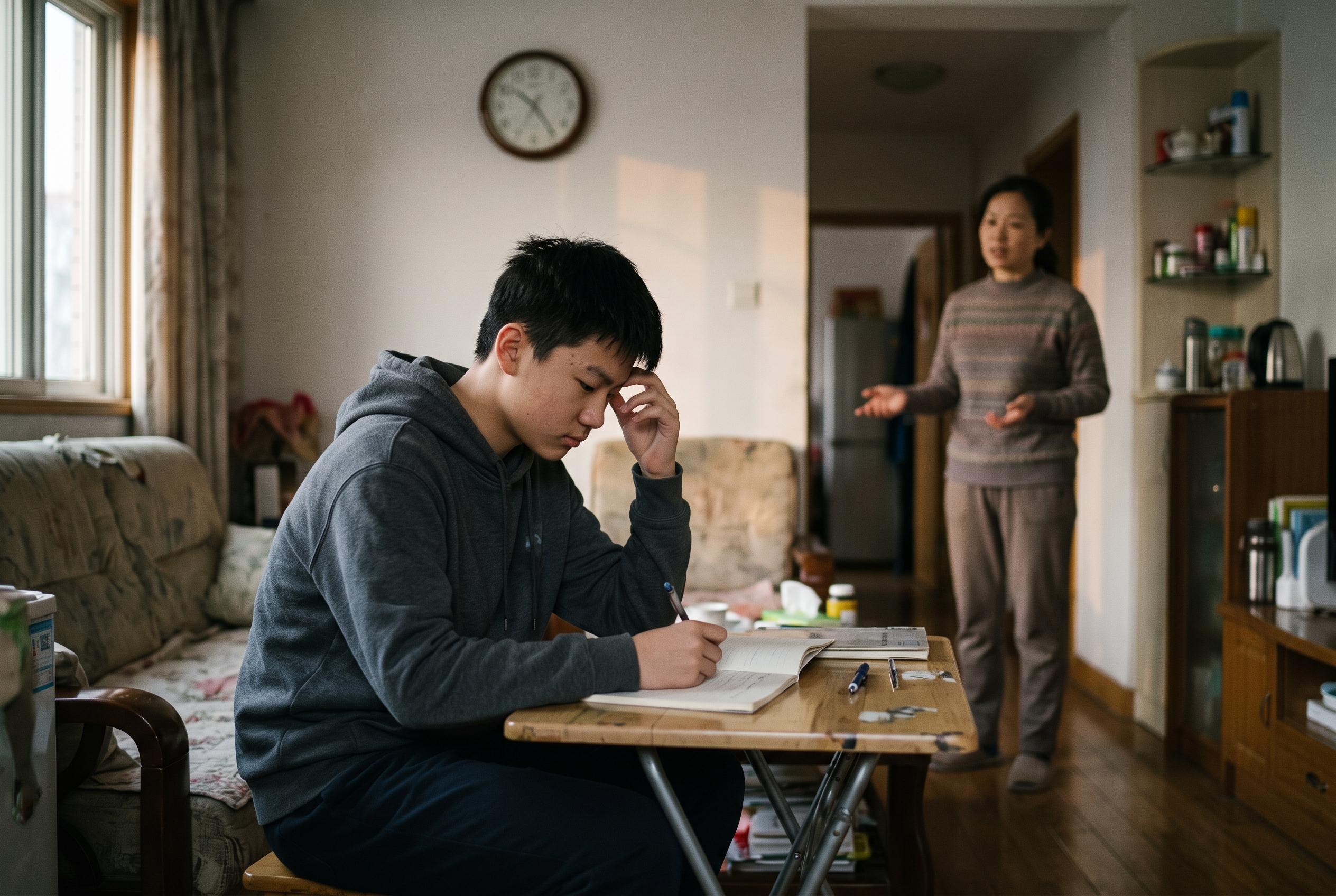

Research led by Shanghai Normal University uncovers how parental gaslighting in Chinese households influences adolescents’ self-blame, highlighting cultural factors and raising questions about mental health implications.
Gaslighting is a form of psychological abuse in which one person steadily undermines another person’s trust in their own memory, judgement and emotions. It is most often discussed in romantic or workplace settings, where power is uneven, but researchers are increasingly looking at whether the same dynamics can appear inside families, particularly between parents and children, where authority is built into the relationship from the start.
That question sits at the centre of a study led by Xi Li at Shanghai Normal University, which examined whether parental gaslighting may carry particular weight in Chinese households. The researchers argue that in a cultural setting that places strong emphasis on filial piety, moral order and parental authority, dismissive or manipulative behaviour from a parent may be easier to normalise. The work also reflects a wider clinical understanding of gaslighting: experts at Cleveland Clinic, WebMD and Simply Psychology describe it as a pattern of emotional manipulation that can leave people confused, self-doubting and unsure of what is real.
Li’s team went further by examining a specific mechanism. They proposed that when parents distort a child’s understanding of conflict, the young person may begin to blame themselves for tension in the relationship. To test that idea, the researchers adapted an established gaslighting measure for Chinese adolescents and then used it in a second longitudinal study involving 606 young people. Their findings suggested that greater exposure to gaslighting was linked with more self-blame for problems in the parent-child relationship. That is an important contribution because, as the Psychology Today article notes, research on gaslighting in families has been comparatively thin.
The picture was less clear when it came to depression. The authors reported that self-blame did not significantly predict higher depressive symptoms, and gaslighting itself also did not show a statistically significant direct link to depression in this sample. The article’s author argues that this means the study should not be read as proof that gaslighting causes depression in every case. Rather, it adds a useful piece to an evolving area of research: gaslighting may push adolescents towards internalising blame, even if this particular study did not confirm a strong depressive effect. As with much work in psychology, one study is not the final word, but it can help narrow where future evidence should look.
Disclaimer: This content is for informational purposes only and is not intended to be a substitute for professional medical judgment, advice, diagnosis, or treatment.



