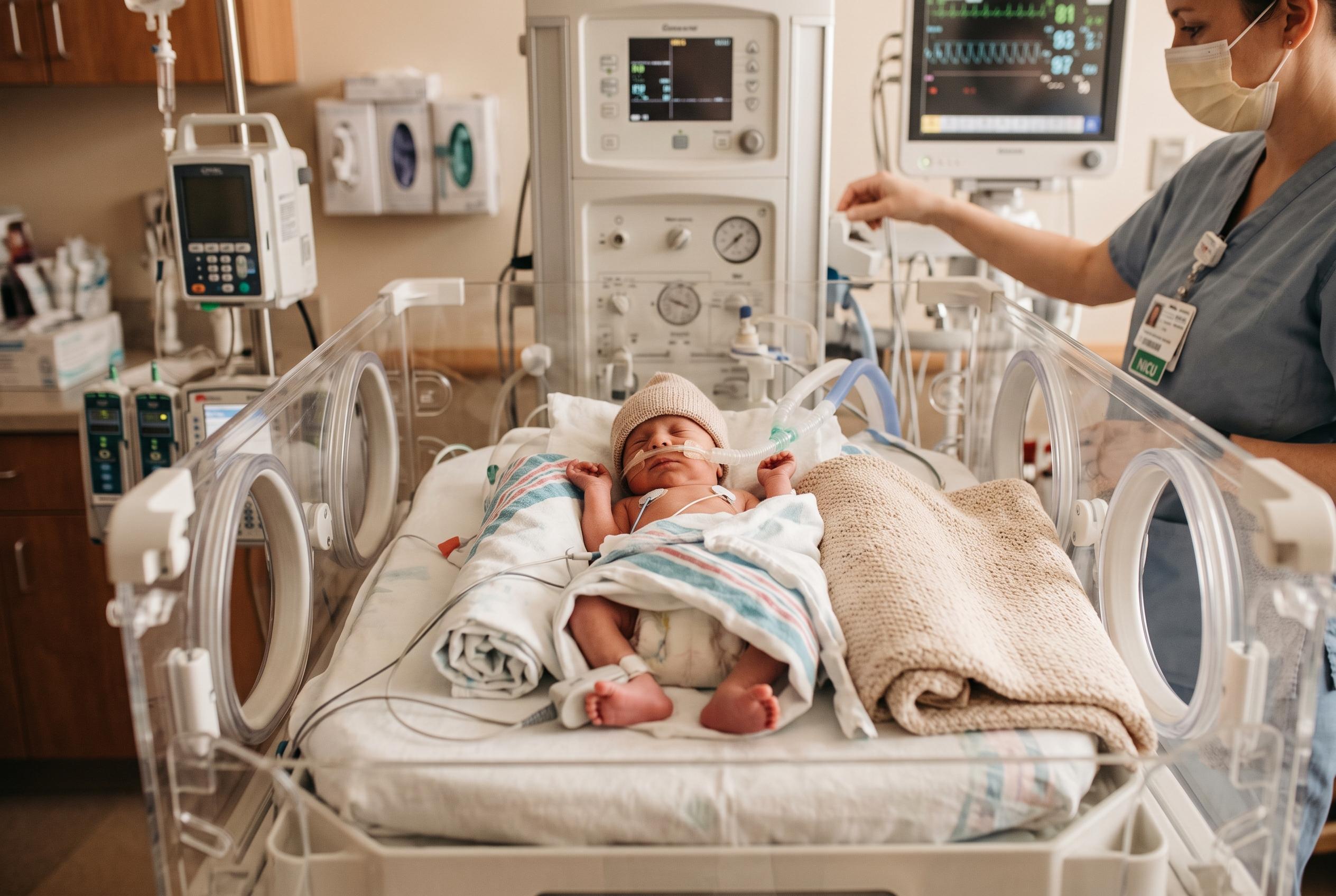

New research indicates that being born very early can influence how autism-related traits develop in children, highlighting the importance of early monitoring and personalised support strategies.
A new study in the Journal of Perinatology is adding to evidence that very preterm birth can shape the way autism-related traits emerge in early childhood, but that the pathways are far from simple. The research by Stone-Heaberlin, Blackburn, Tamm and colleagues follows children born before 32 weeks of pregnancy to age 5, seeking to identify which early features are most closely linked with later autism risk and which children are more likely to show resilience.
The work sits within a wider body of neonatal research suggesting that children born very early face a markedly higher likelihood of autism spectrum disorder than those born at term. Previous studies have pointed to possible early markers, including autonomic dysregulation in the newborn period, while later follow-up studies have found that children who are eventually diagnosed with autism often show persistent differences in cognition, communication and fine motor development across the first two years of life.
That broader picture matters because prematurity can affect development in ways that overlap with autism without necessarily meaning a child is autistic. Very preterm infants may face difficulties with language, movement, sensory processing or attention for reasons tied to early medical complications. Researchers say the challenge is to distinguish temporary delays from more stable developmental patterns that may warrant closer assessment and support.
Longitudinal follow-up is therefore central. Other recent studies in very preterm and extremely preterm children have found that autism screening at ages 2 to 7 can identify a subgroup with higher rates of motor, sensory and behavioural difficulties, lower cognitive scores and poorer emotional competence. In one machine-learning study, children later diagnosed with autism showed lower cognitive scores throughout the first 2 years of life and slower gains in receptive and expressive communication during the second year, suggesting that development unfolds differently well before diagnosis.
For families, the practical message is that prematurity should trigger careful monitoring rather than fixed expectations. Neonatal care has improved survival for very preterm infants, shifting attention towards longer-term outcomes such as learning, mental health and social development. The value of studies like this one is that they may help clinicians spot children who need support earlier, while also recognising that many preterm children do not go on to develop autism and instead follow varied developmental paths.
Disclaimer: This content is for informational purposes only and is not intended to be a substitute for professional medical judgment, advice, diagnosis, or treatment.