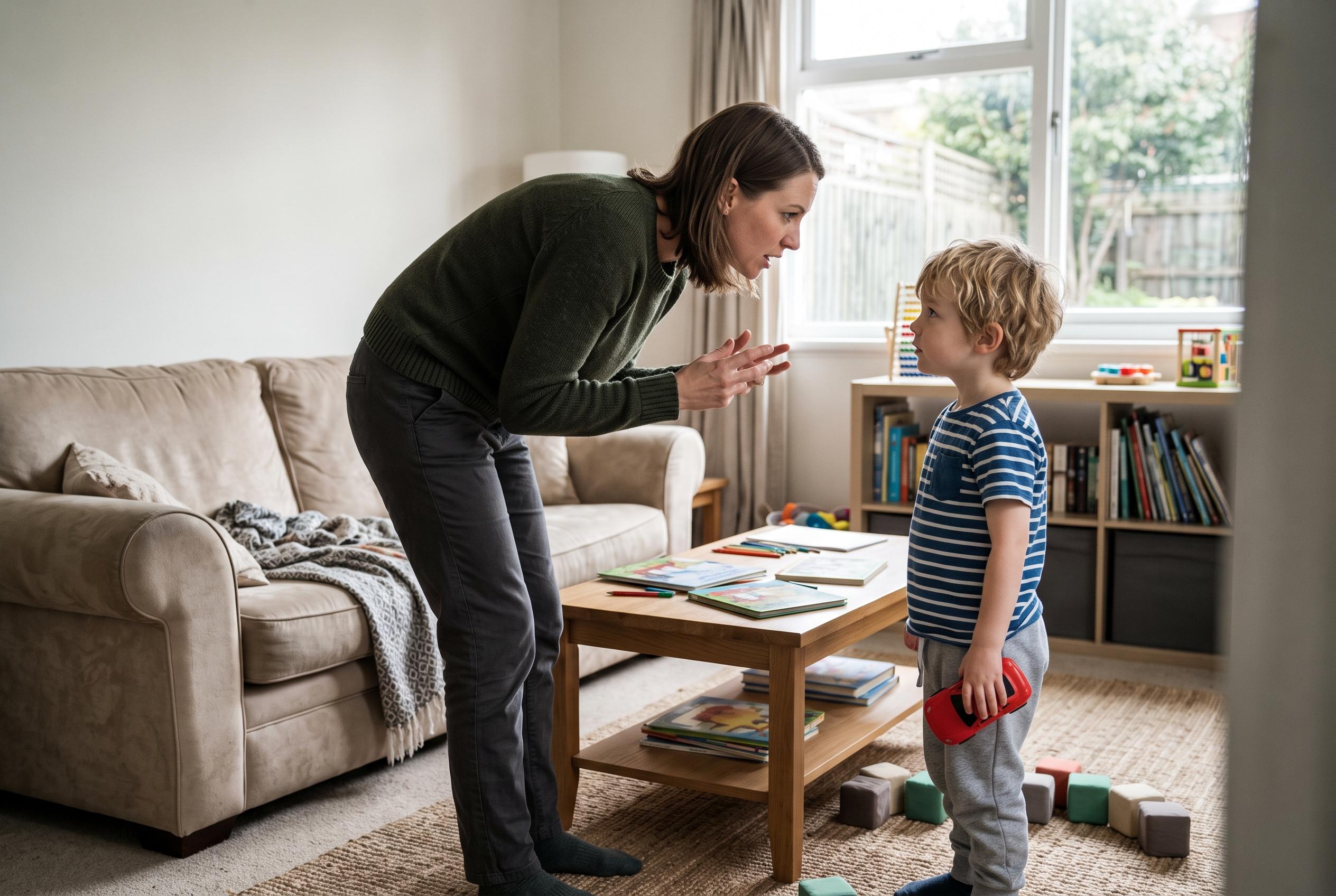

Research from western China indicates that overreactive parenting may contribute to disparities in mental health and prosocial behaviour between preschool boys and girls, highlighting potential targets for early intervention.
A large study from western China suggests that parental overreactivity may help explain part of the gap in mental health between preschool boys and girls. Writing in Frontiers in Psychiatry, researchers analysed questionnaires from 21,366 children aged three to six in 189 kindergartens across 13 districts and found that girls had lower odds of mental health difficulties and higher odds of prosocial behaviour than boys. The study also found that girls were slightly less likely to be exposed to overreactive parenting, a pattern the authors say was statistically linked to better outcomes.
The findings were based on parent-reported measures of discipline and child behaviour, with overreactivity assessed using the Parenting Scale and child mental health screened with the Strengths and Difficulties Questionnaire. After adjusting for household and parental characteristics, girls had a 12% lower risk of total difficulties and a 21% higher likelihood of prosocial behaviour than boys. Each one-point rise in overreactivity was associated with markedly worse child outcomes, including an 85% higher risk of total difficulties and a 34% lower likelihood of stronger prosocial behaviour. The gender difference in overreactivity itself was small, but it was statistically significant.
The pattern was strongest in younger children and in lower-income families, where the gender gap in mental health appeared more pronounced. The researchers also repeated the analysis using continuous scores and said the results were broadly unchanged. In the mediation analysis, overreactivity accounted for 16.22% of the association between gender and total difficulties and 7.49% of the association with prosocial behaviour. The authors stressed that the study was cross-sectional, so it cannot show cause and effect, and that children’s behaviour could also influence parenting.
Even so, the paper adds to evidence that family dynamics may play a role in early mental health differences between boys and girls. The authors argue that reducing harsh or emotionally charged reactions to children’s behaviour could be a useful target for parenting support, particularly in families with sons. They caution, however, that the size of the observed differences was small and that the findings come from one region in China, so they may not apply everywhere.
Disclaimer: This content is for informational purposes only and is not intended to be a substitute for professional medical judgment, advice, diagnosis, or treatment.