

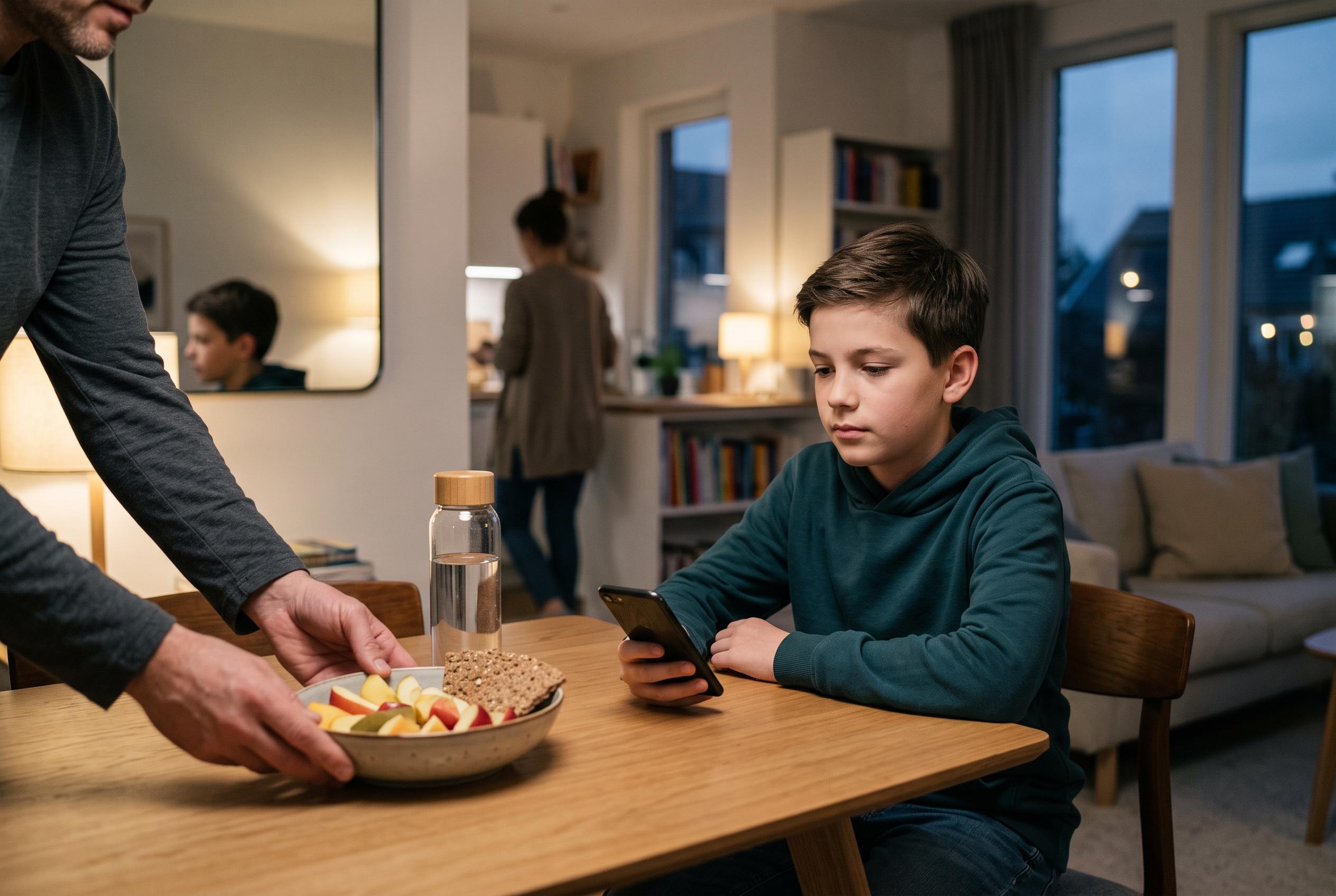

Research from the University of California suggests that giving children a smartphone at age 12 may heighten vulnerability to eating disorders and body image issues, raising questions about optimal device access for young adolescents.
A new study has added to concerns that giving children a smartphone too early may come with mental health costs, particularly around eating behaviour during the turbulent early teen years.
Researchers at the University of California, San Francisco looked at health data from nearly 9,000 adolescents in the United States and found that owning a smartphone at age 12 was linked with a 36% higher likelihood of reporting any symptom of an eating disorder. The association was even stronger for binge-eating symptoms, which were reported 61% more often among 12-year-old smartphone owners than among those without a device.
The findings, published in JAMA Network Open, do not show that phones cause eating disorders. But the study adds to a growing body of evidence suggesting that early and largely unsupervised access to smartphones and the social media environment they open up may affect body image at a stage when young people are especially sensitive to peer pressure and self-criticism. Nearly 70% of the 12-year-olds in the study already owned a smartphone.
By age 14, the pattern had not disappeared. According to the researchers, young people who had owned a smartphone since age 12 were more than twice as likely to say their self-worth was tied to their weight, and they were 49% more likely to report at least one eating disorder symptom. The analysis was led by pediatrician Jason Nagata, who said the results matter because eating disorders are serious conditions that can be life-threatening but are often preventable and may respond to early intervention.
The study also speaks to a broader debate about when children are ready for their first phone. Social media platforms generally set a minimum age of 13, but the researchers noted that those limits can be bypassed easily. They argued that clinicians may want to ask about smartphone ownership and social media use when assessing eating-disorder risk, and that parents should consider whether delaying access could reduce exposure to online pressures that reinforce body dissatisfaction. The authors also stressed that a reported symptom is not the same as a clinical diagnosis, and that how young people use their devices may matter more than screen time alone.
Disclaimer: This content is for informational purposes only and is not intended to be a substitute for professional medical judgment, advice, diagnosis, or treatment.



