

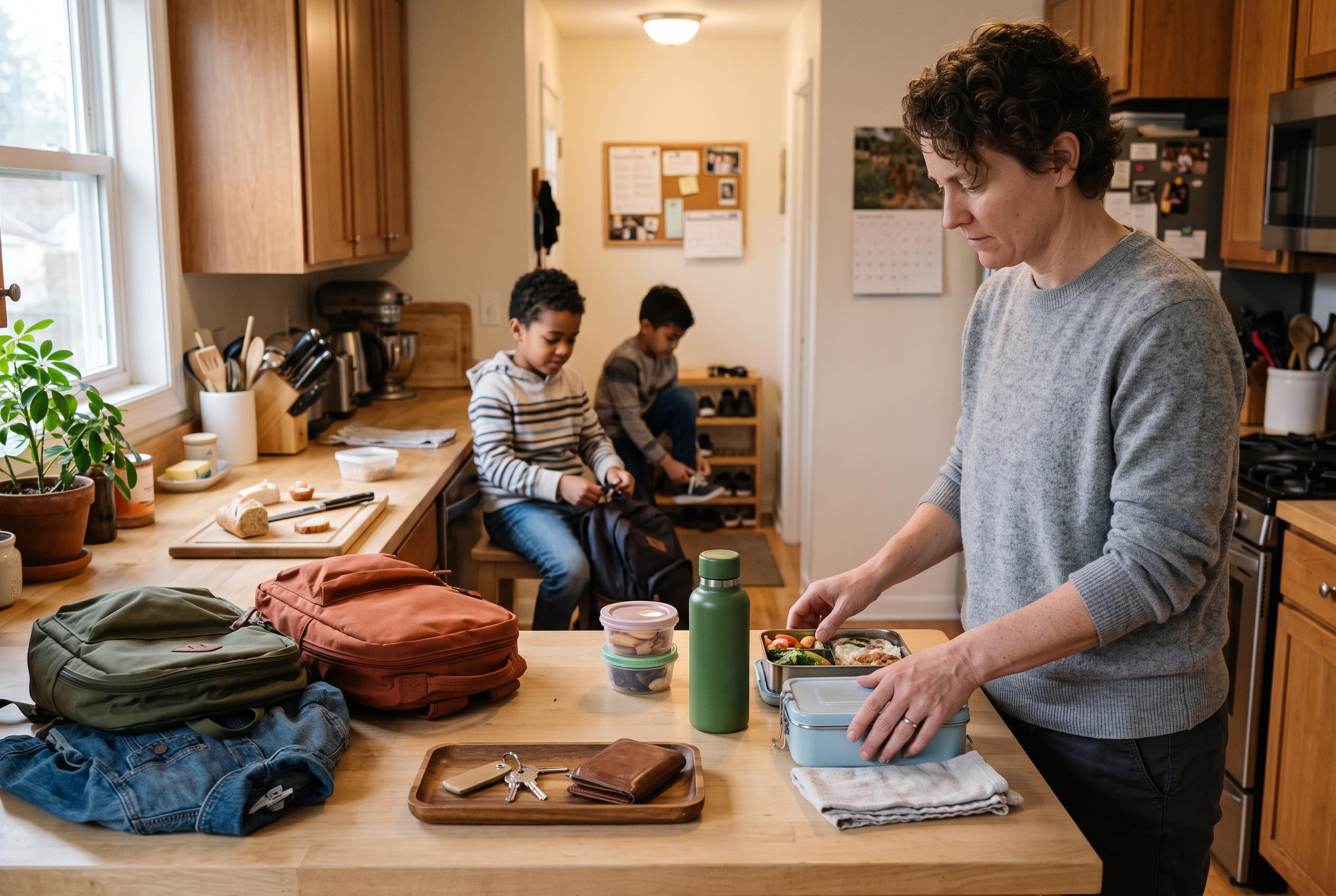

Expert advice and practical strategies show that establishing consistent routines and preparing the night before can transform chaotic school mornings into manageable, calmer starts for families.
The school morning rarely starts with calm perfection. More often it begins with one child hunting for a missing shoe, another lingering over a comic book and a parent trying to coax breakfast into something edible before the school run. Yet the best antidote to that daily scramble is not a grand system; it is a routine children can repeat without renegotiating it every day.
Experts in child health and family routines consistently point to preparation as the difference between a frantic start and a manageable one. According to the Cleveland Clinic, rehearsing school-day habits and adjusting bedtimes ahead of term time can make mornings less stressful, while other family-focused guides stress that predictable sequences help children know what comes next. The practical aim is simple: move as many decisions as possible out of the rush and into the evening before.
That starts with sleep. The Sleep Foundation and family health writers alike note that a stable bedtime gives the morning a better chance of running smoothly, because tired children are harder to direct and slower to transition. A routine built around enough sleep is not just about mood; it also supports attention, learning and the ability to follow instructions once the day begins.
One of the most useful ideas for younger families is to divide the home into clear stations. A launch area by the door can hold shoes, coats, backpacks and lunch bags. A food station in the kitchen keeps breakfast and water in one place. A bathroom zone handles teeth, washing and hair. Clothes can be laid out in advance in a dresser, basket or chair, while a reset basket can collect all the items that tend to wander off. MorningRoutines.com and K12 both recommend this kind of structure because it reduces the need for repeated reminders and gives children visual cues they can follow on their own.
Preparation the night before can be brief but effective. Backpacks can be packed, permission slips signed, clothes chosen and lunches planned before anyone goes to bed. CVS Health and K12 both advise tackling those jobs in advance so the family is not making avoidable decisions at 7 am. Even a five-minute check can prevent a long search for missing homework or a last-minute argument over what to wear.
The approach works best when it is matched to a child’s age. Younger children often need help moving through the sequence, while older children can be given more responsibility for checking their own bags or laying out clothes. Healthline notes that routines tend to work best when they are consistent but flexible enough to adapt as children grow. In practice, that means giving clear prompts, keeping instructions short and building habits gradually rather than expecting overnight change.
When things still go wrong, which they inevitably will, the answer is not to abandon the routine but to simplify it. A visual timer can make the passing minutes easier to understand. A warning such as “Two minutes until it is time to brush teeth” gives children a chance to finish what they are doing. On especially tight mornings, a complicated hairstyle or a perfectly matched outfit can wait. What matters most is getting everyone out of the house with the essentials.
There are also health issues that no timetable can fix. Poor sleep, tooth pain or feeling generally unwell can make even ordinary tasks feel impossible, so regular check-ups and dental care remain important parts of the school-year plan. The Centres for Disease Control and Prevention also recommends keeping everyday hygiene habits in place, because brushing teeth, washing hands and other basics are easier to sustain when they are part of a routine rather than treated as extras.
In the end, a calmer school morning is usually built on repetition, not inspiration. The families that seem to glide out the door are often the ones that have already done the thinking the night before. A packed bag, a set place for shoes and a predictable order for waking, dressing and eating can turn a daily battle into something much closer to a checklist.
Disclaimer: This content is for informational purposes only and is not intended to be a substitute for professional medical judgment, advice, diagnosis, or treatment.



