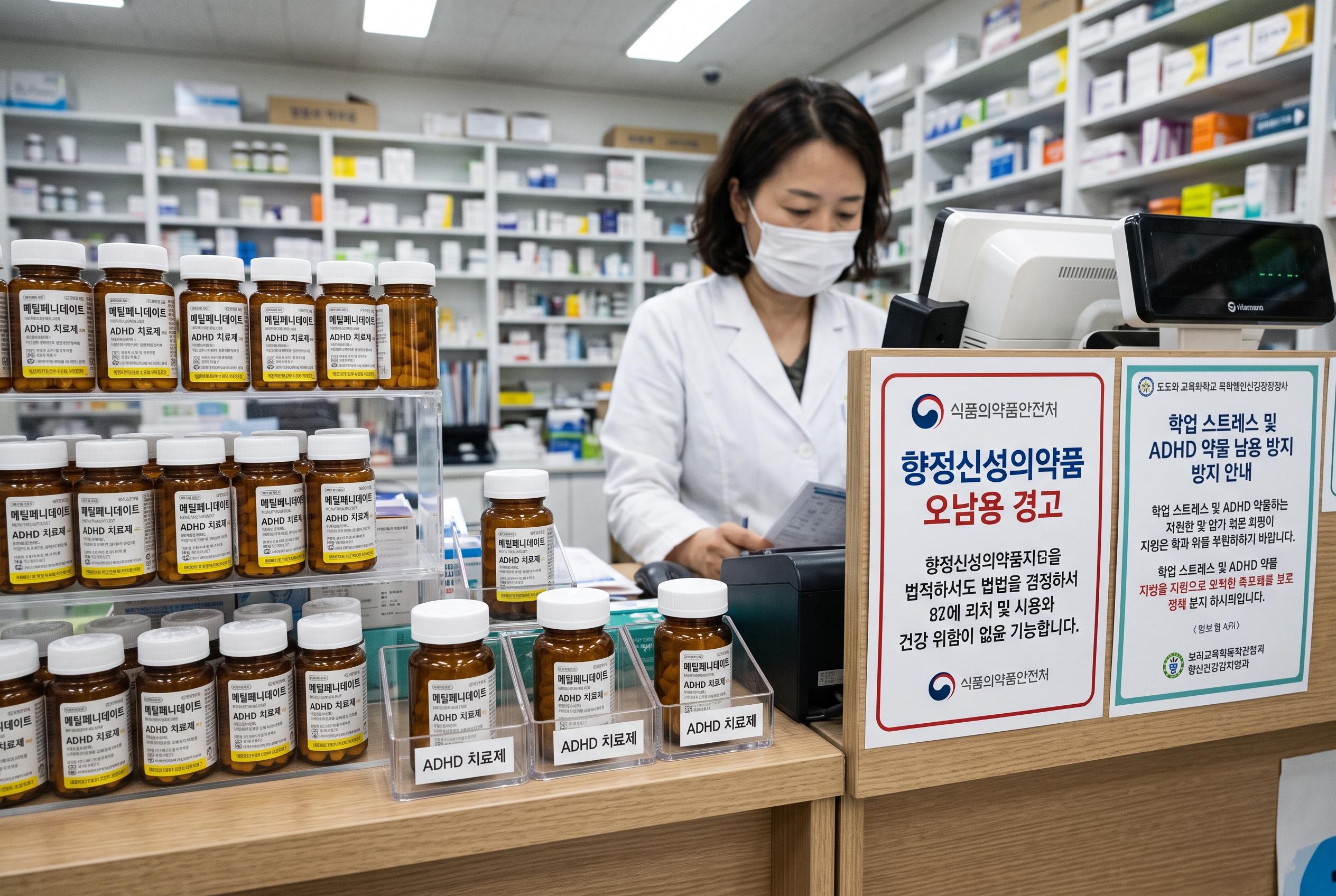

The South Korean government is ramping up restrictions on methylphenidate amid a sharp rise in prescriptions and growing concerns over misuse for academic and performance gains, prompting new safeguards and awareness campaigns.
South Korea’s health authorities are stepping up controls on methylphenidate, the ADHD medicine often nicknamed a “study drug”, as prescriptions climb sharply and concern grows about misuse for performance gains. According to the Ministry of Food and Drug Safety, the number of patients prescribed the stimulant more than doubled from 143,471 in 2020 to 337,595 in 2024, while the total number of prescriptions rose from 37.709 million to 90.197 million over the same period.
Officials say the increase reflects broader awareness of ADHD and easier access to psychiatric care, especially among adults who were diagnosed later in life. Seoul-based reporting has also pointed to a marked rise in adolescent ADHD prescriptions and a wider pattern of stimulant use for concentration, fatigue management and academic pressure, including through digital health platforms.
But the ministry is warning that the medicine is not a shortcut for healthy people. Methylphenidate acts on dopamine and norepinephrine pathways in the brain and can help patients with ADHD reduce inattention, impulsivity and hyperactivity when prescribed properly. Taken without a medical need, it can instead trigger insomnia, headaches, appetite loss, palpitations, agitation, low mood and, in some cases, hallucinations or dependency.
To curb misuse, the ministry has set limits on prescribing for uses outside ADHD or narcolepsy, on treatment lasting more than 3 months and on doses above the approved daily maximum, unless there is a clear clinical exception. It is also urging doctors to check a patient’s recent medication history before writing a prescription, a safeguard already used with fentanyl, while patients can review their own records through a government website, an app or Korea’s public notification service. The same campaign has been extended to schools, bus stops, KTX trains and social media, as authorities try to counter the idea that these drugs improve academic performance and to discourage students from seeking them online.
Disclaimer: This content is for informational purposes only and is not intended to be a substitute for professional medical judgment, advice, diagnosis, or treatment.