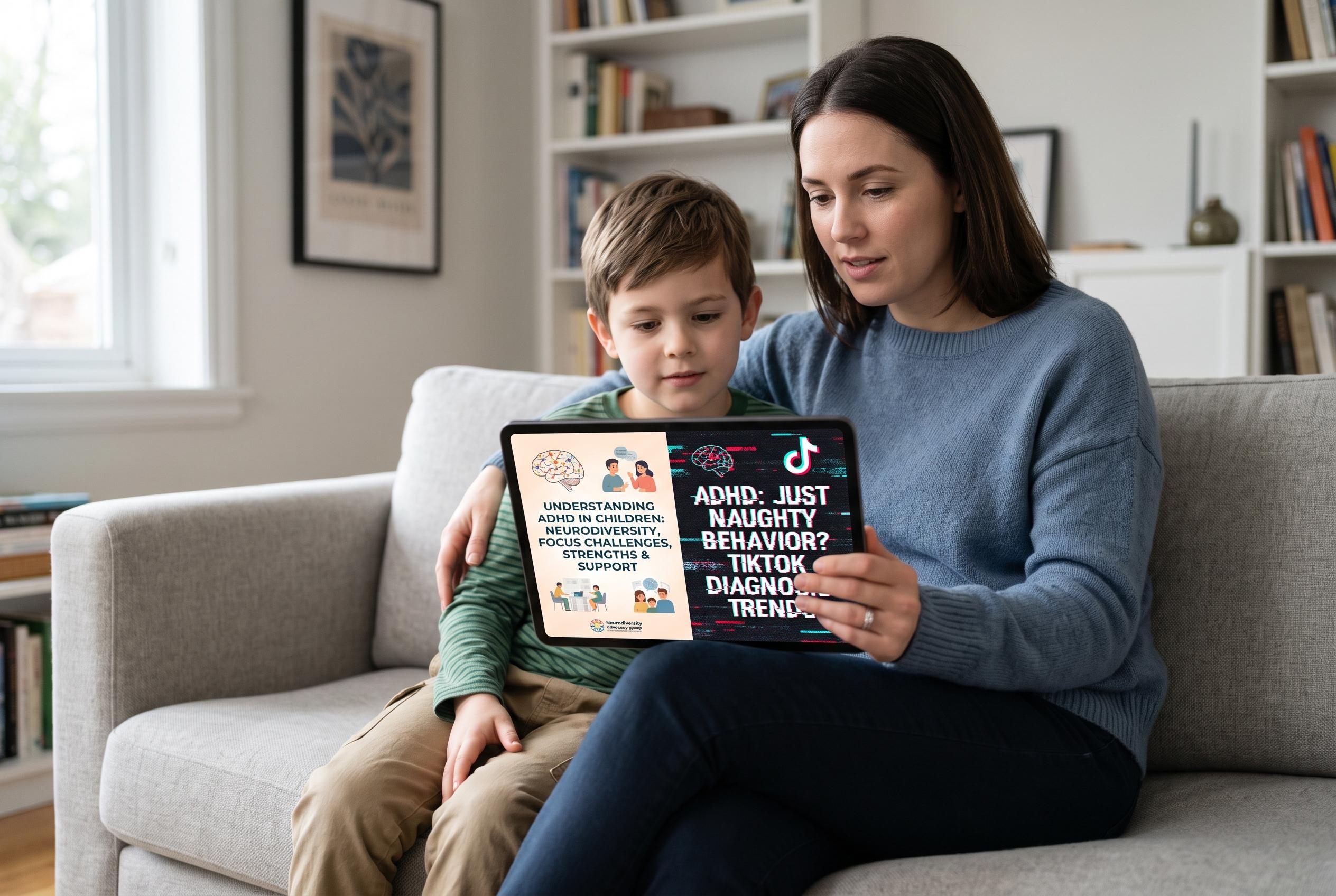

As online platforms transform the way people understand and discuss ADHD, experts warn that the line between helpful visibility and misleading simplification is becoming increasingly blurred, with potential implications for diagnosis and stigma.
As health information has increasingly migrated online, attention-deficit/hyperactivity disorder has become one of social media’s most debated subjects. A recent Pew Research Centre analysis found that half of Americans under 50 now get health and wellbeing information from influencers or podcasts, a shift that has helped make short-form platforms a major source of informal diagnosis and reassurance. But the same channels that can reduce shame can also flatten a complex condition into a set of catchy traits and relatable jokes.
That tension is at the heart of an excerpt from Deborah Cohen’s forthcoming book, “Bad Influence: How the Internet Hijacked Our Health”. Cohen argues that the online portrayal of ADHD often favours entertainment over accuracy, with videos presenting everyday habits, frustrations and personality quirks as signs of the disorder. Researchers have warned that this kind of content can broaden public understanding in some cases, while also encouraging people to see ordinary experiences as evidence of a medical condition.
A study published in SSM – Mental Health examined the most viewed ADHD videos on TikTok and found that just under half of the claims matched DSM-5 diagnostic criteria. Many of the inaccurate examples described experiences common in the general population, while others overlapped with anxiety, depression or learning differences rather than ADHD specifically. The researchers also found that few videos acknowledged limits or alternative explanations, and none of the top clips came from a clinical psychologist or psychiatrist.
That matters because the appeal of these videos is not simply informational. The same study found that psychology students often rated inaccurate clips more positively when they seemed relatable, and self-diagnosed students were the most receptive overall. That suggests social media may be rewarding identification and emotional resonance over clinical precision, especially for younger users who are already unsure whether their struggles warrant medical attention. Healthline’s reporting on the research pointed to the same risk: that popular ADHD content can shape self-diagnosis before a proper assessment takes place.
Some clinicians, however, see value in the visibility. Public discussion can make it easier for people to recognise symptoms, seek help and feel less alone, particularly when they have previously been dismissed. Yet others worry that the same visibility can turn serious conditions into online identities or lifestyle branding. Simply Psychology has described how TikTok can amplify misleading, highly relatable content through algorithmic promotion, while Cohen’s excerpt warns that the result may be a misleadingly cheerful version of a disorder that can be disruptive, disabling and difficult to treat.
Celebrity disclosures have only sharpened that debate. High-profile figures such as Simone Biles and Jessie J have spoken publicly about living with ADHD, framing it as empowering when the right support is in place. But psychologists Lucy Foulkes and Jack Andrews of Oxford University have cautioned that such disclosures can unintentionally make certain diagnoses look like status symbols. For people who live with ADHD in far less visible circumstances, that gloss can obscure the harder reality: difficulty sustaining work, higher rates of conflict and harm, and in some settings, a strikingly high burden among people in prison.
The larger lesson is not that online health content is inherently harmful. It is that relatability is not the same as reliability. Social media may help some people feel seen, but when a condition becomes a meme, a merchandise slogan or a shorthand for ordinary forgetfulness, the public can lose sight of what diagnosis is meant to capture: real impairment, not just recognisable personality traits.
Disclaimer: This content is for informational purposes only and is not intended to be a substitute for professional medical judgment, advice, diagnosis, or treatment.