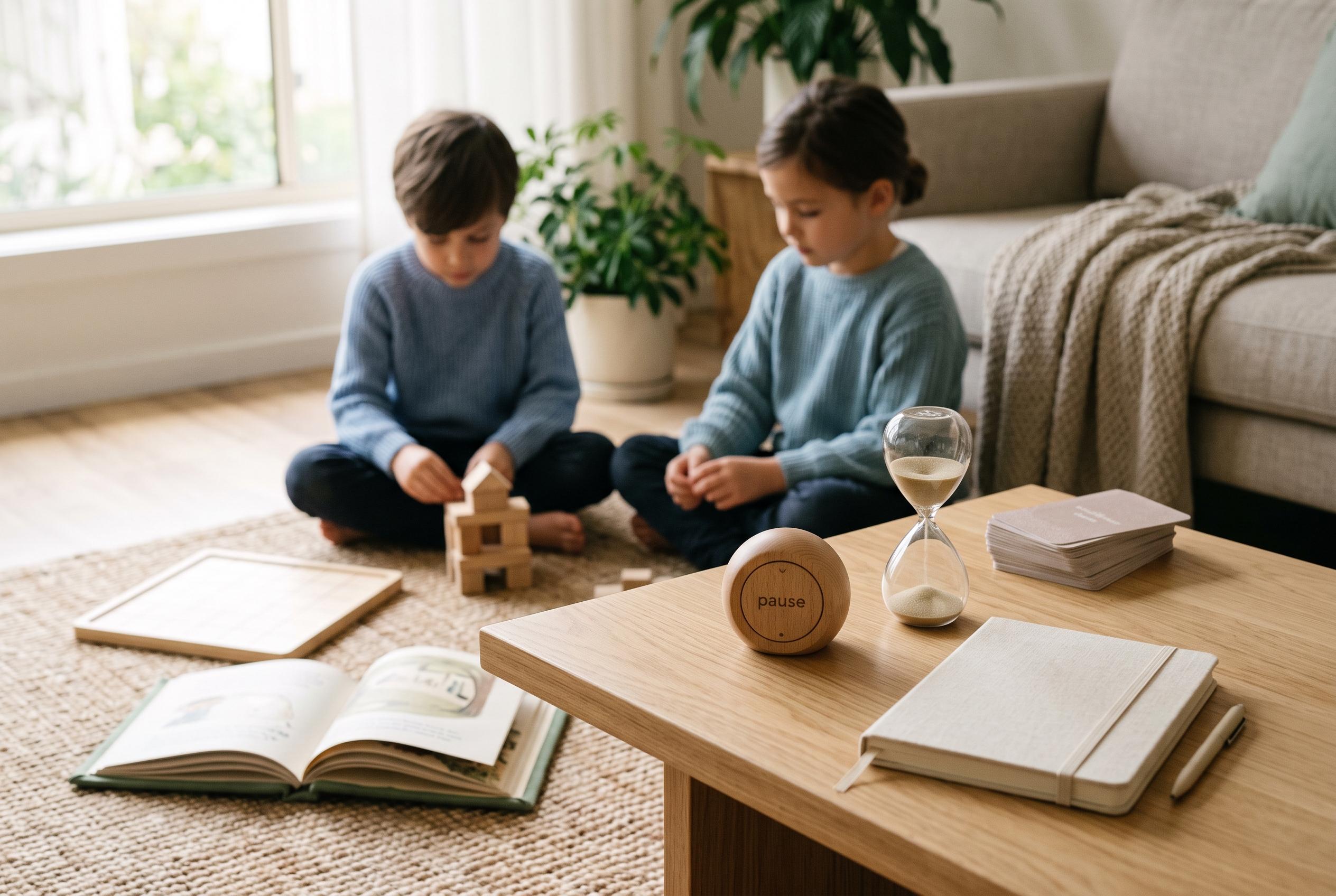

Building patience with children is increasingly about small, intentional choices, such as pausing before reacting and allowing boredom, creating calmer households and more resilient parents.
Patience with children is rarely about perfect composure. More often, it is built from small, repeated choices that lower the emotional temperature at home, especially when a child is upset, bored or moving from one activity to another.
One of the clearest signs is the ability to pause before responding to a meltdown. Co-regulation research, as described by Parenting Mentor, points to the value of a calm adult presence when a child is overwhelmed, because a steadier parent can help settle an unsettled child. In practice, that may mean saying less, waiting a moment before speaking and focusing on safety and connection rather than reflexively matching the child’s intensity.
Another habit is allowing boredom to exist. The American Heart Association recently noted that experts see boredom as useful, not harmful, because it gives children a chance to learn how to manage that feeling themselves. Parent Map and the Kids Mental Health Foundation make a similar case, arguing that unstructured time can encourage creativity, independence and problem-solving rather than constant parental intervention.
Patient parents also tend to repeat themselves without letting frustration climb each time. That matters because younger children often need reminders simply because attention and self-control are still developing. They are also more likely to separate the child from the behaviour, correcting the action without turning the moment into a judgement about character.
The same approach shows up in how they handle arguments and transitions. They do not need to win every disagreement, and they give warnings before changing activities, which can reduce tantrums when playtime ends or plans shift suddenly. Specialists often recommend that kind of advance notice because abrupt change can be hard for children to manage.
When patience does break down, more self-aware parents repair the moment rather than pretending it did not happen. A brief apology for raising a voice teaches that mistakes can be mended. It also models the kind of emotional recovery children need to see in order to learn it themselves.
Behind all of this is a practical truth: patience depends partly on the parent’s own condition. Sleep, meals and brief periods of rest are not indulgences; they help adults stay regulated enough to respond well. None of these habits is perfect on its own, but together they create a calmer household and a more resilient parent.
Disclaimer: This content is for informational purposes only and is not intended to be a substitute for professional medical judgment, advice, diagnosis, or treatment.