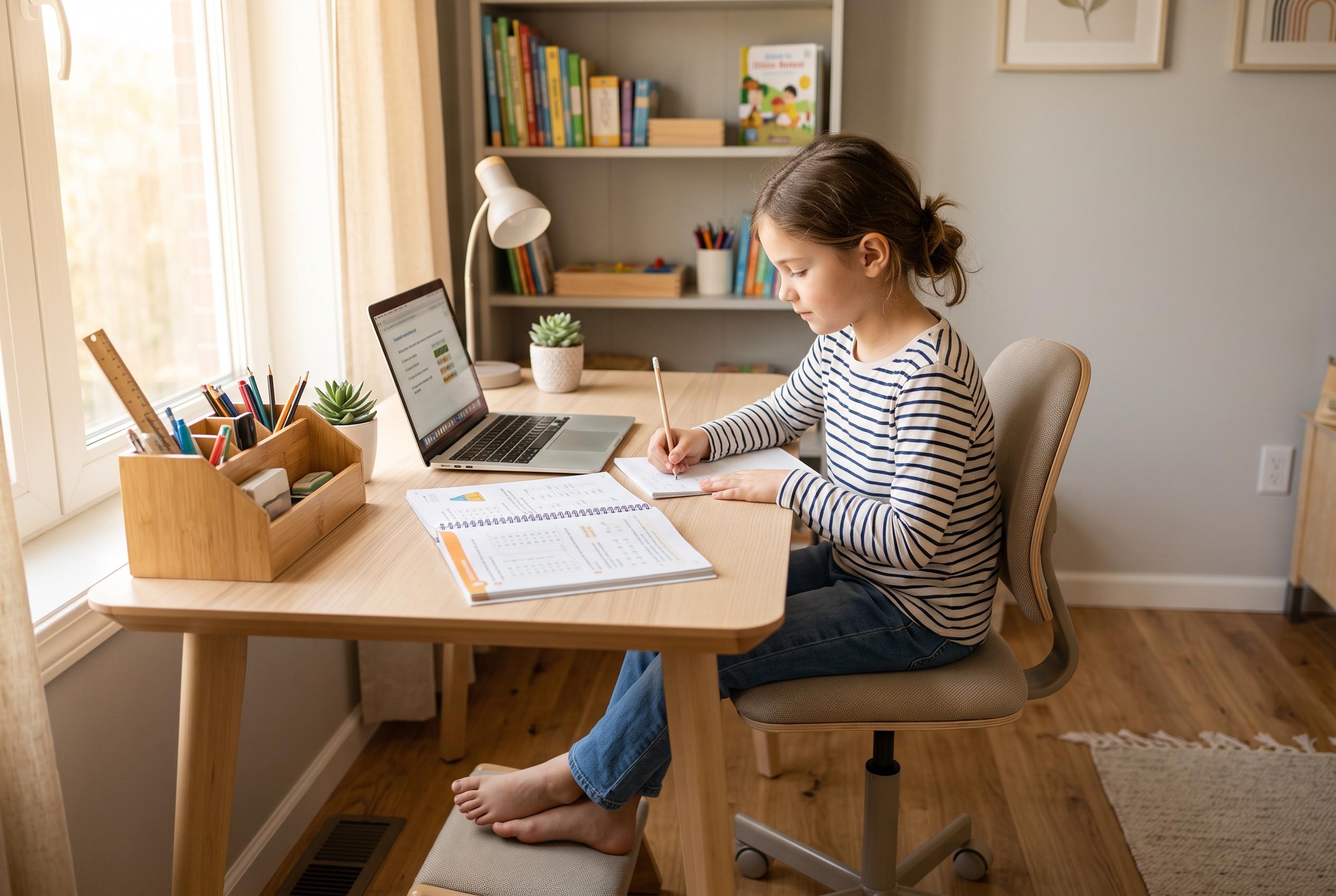

Establishing predictable routines, dedicated spaces, and supportive strategies can transform after-school homework from a battleground into an opportunity for independence and confidence.
After-school homework does not have to end in tears, arguments and a long evening of resistance. The simplest fix, according to parenting advice from Mother U and child-focused guidance from other family resources, is to make homework predictable: give children time to unwind first, then move them into a clear routine that ends with a reward or break.
A dedicated homework space can make a real difference. It does not need to be a formal study; a kitchen table, a corner desk or another regular spot will do, as long as it is kept ready for use and stocked with basics such as pencils, a sharpener and a calendar. Some children also work better with a snack nearby and fewer distractions, which means keeping phones, television, toys and other interruptions out of reach while they work.
The routine itself should be simple and consistent. Several parenting and therapy resources recommend a short transition after school, a fixed homework window and a visual checklist or timer to help children understand what comes next. Families with strong-willed children may find it helps to keep the sequence short, offer limited choices within set boundaries and avoid turning the process into a long discussion. The aim is to reduce friction, not to create another battle.
Parents are also encouraged to stay nearby without taking over. Nationwide Children’s Hospital says it helps when adults are available to answer questions, while Scholastic advises supporting children without doing the work for them. That approach builds independence and confidence, especially when combined with praise for effort rather than perfection. For younger children, the commonly used 10-minute rule , about 10 minutes of homework per school year grade , can also help set realistic expectations. If a child refuses to begin, breaking the task into a tiny first step, such as five minutes or just two problems, can make starting feel less overwhelming.
Disclaimer: This content is for informational purposes only and is not intended to be a substitute for professional medical judgment, advice, diagnosis, or treatment.