

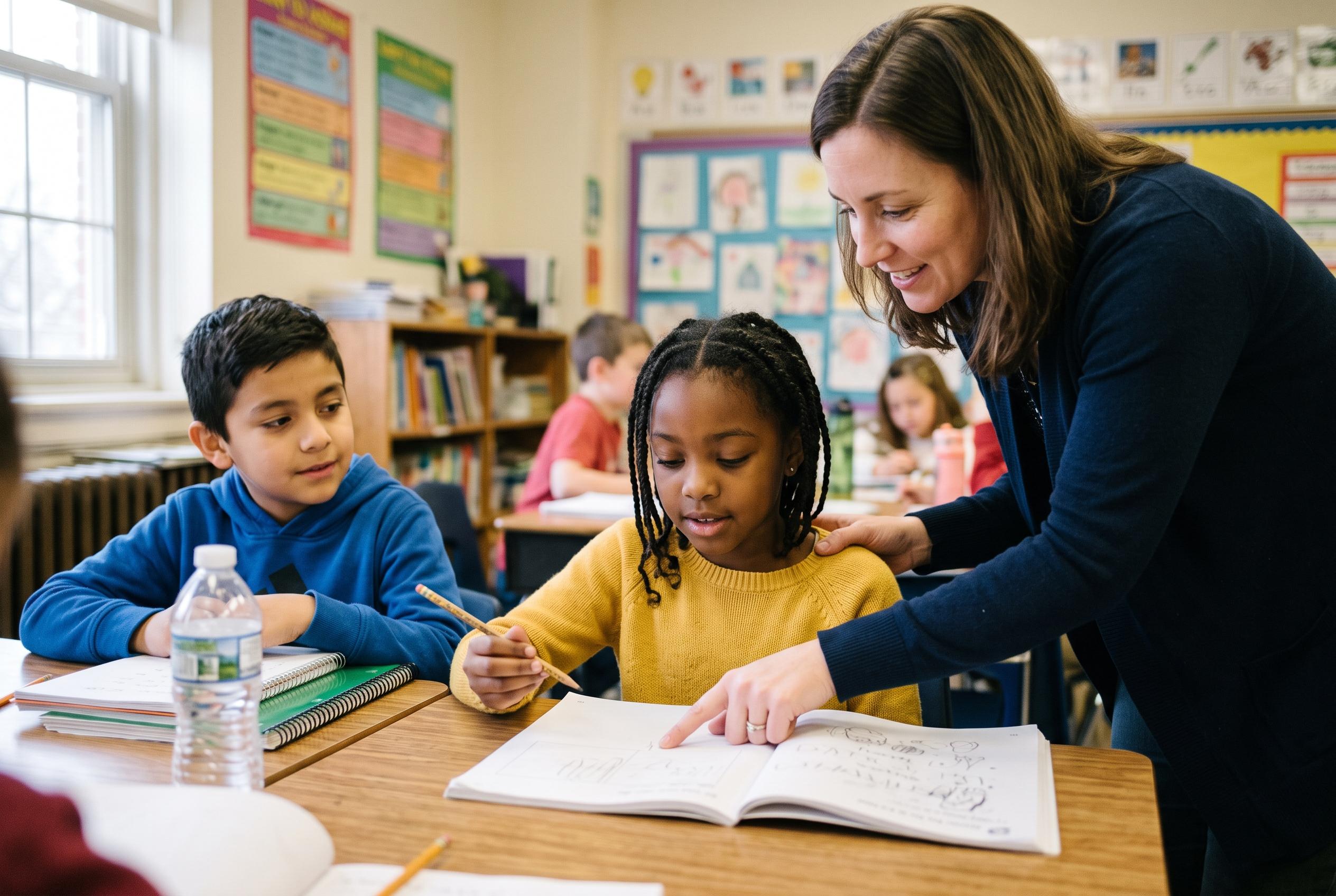

Practical strategies like fostering growth mindset, encouraging risk-taking, and promoting emotional skills can help students develop resilience, preparing them for future challenges.
Teachers see it often enough: a pupil falters after a disappointing mark, a difficult task, a lost contest or a sharp piece of criticism, and the instinct is to retreat. Yet resilience is not simply about urging children to try once more. It is about helping them build the habits, confidence and emotional steadiness that make another attempt possible. Cornell Health says resilience is not a fixed trait but a capacity that can be strengthened over time, particularly when students learn to think of setbacks as part of growth rather than proof of failure.
One of the most effective starting points is language. Encouraging pupils to add the word “yet” to statements such as “I cannot do this” helps shift attention from a dead end to a process still under way. That small change supports a growth mindset, which several education and health organisations describe as central to resilience. Rather than presenting difficulty as something to avoid, teachers can frame struggle as evidence that learning is happening. The aim is not to suggest that everything will be easy, but to show that present effort does not define future ability.
Classroom culture matters just as much. The Jed Foundation says students are more likely to take healthy risks and persist when they feel connected to their peers and safe with the adults around them. That means normalising mistakes, discussing them openly and modelling calm responses when work does not go to plan. Teachers can also guide pupils through problems instead of solving everything for them, asking what the issue is, what choices are available and what might happen next. Those simple questions help children practise judgement, independence and persistence.
Resilience also depends on emotional and social skills. The American Psychological Association and other education groups point out that students need help recognising frustration, disappointment and anxiety, then learning how to respond without spiralling into defeat. Techniques such as pausing, breathing, using positive self-talk and reflecting on progress can help. So can giving pupils age-appropriate choices in their work and recognising effort as well as results. When children are trusted with small decisions, they tend to develop more ownership of their learning and more confidence in their ability to cope.
Building resilience, then, is not a separate lesson or a quick fix. It grows through daily practice: through the way teachers speak about mistakes, the support they offer when work gets hard and the room they create for careful risk-taking. As Cornell Health notes, resilience can be developed, not simply possessed. For teachers, that means helping pupils do more than pass the next test. It means preparing them to meet the next difficulty with steadiness, patience and the belief that they can keep going.
Disclaimer: This content is for informational purposes only and is not intended to be a substitute for professional medical judgment, advice, diagnosis, or treatment.



