


Penn State research shows that everyday acts of connection by parents, teachers, and community members significantly reduce the risk of suicidal thoughts and behaviour among teenagers, highlighting the power of healthy relationships in prevention efforts.
Teen suicide prevention often begins long before a crisis point, in the routines of home, school and community life. New analysis by Penn State researchers suggests that simple, repeated acts of connection, such as a parent checking in after dinner or a teacher helping a student feel known, may help lower the risk of suicidal thoughts and behaviour among adolescents. The findings arrive as public health agencies continue to stress that suicide is preventable and that healthy relationships are one of the most important protective factors.
The research drew on responses from more than 190,000 Pennsylvania students in grades 6 through 12 who took part in the 2023 Pennsylvania Youth Survey. According to the state profile report, 16.1% said they had seriously considered suicide in the past year, while 13% reported making a plan and 5% said they had attempted suicide. The Penn State authors found that young people who felt more connected to family, school and community, and who felt their positive behaviour was noticed, were less likely to report suicidal thoughts, attempts, depression, bullying and substance use. Family attachment was the strongest protective factor.
The report also points to sharp differences by geography. Rural students were more likely than their urban peers to say they had made a suicide plan or attempted suicide, even though they also reported feeling more recognised in their communities. The Pennsylvania Commission on Crime and Delinquency has separately warned that access to firearms raises the risk of serious injury and self-harm, and that most youth gun suicides in the state involve a gun owned by a family member. That context adds urgency to the researchers’ argument that suicide prevention must combine access to care with stronger day-to-day support around young people.
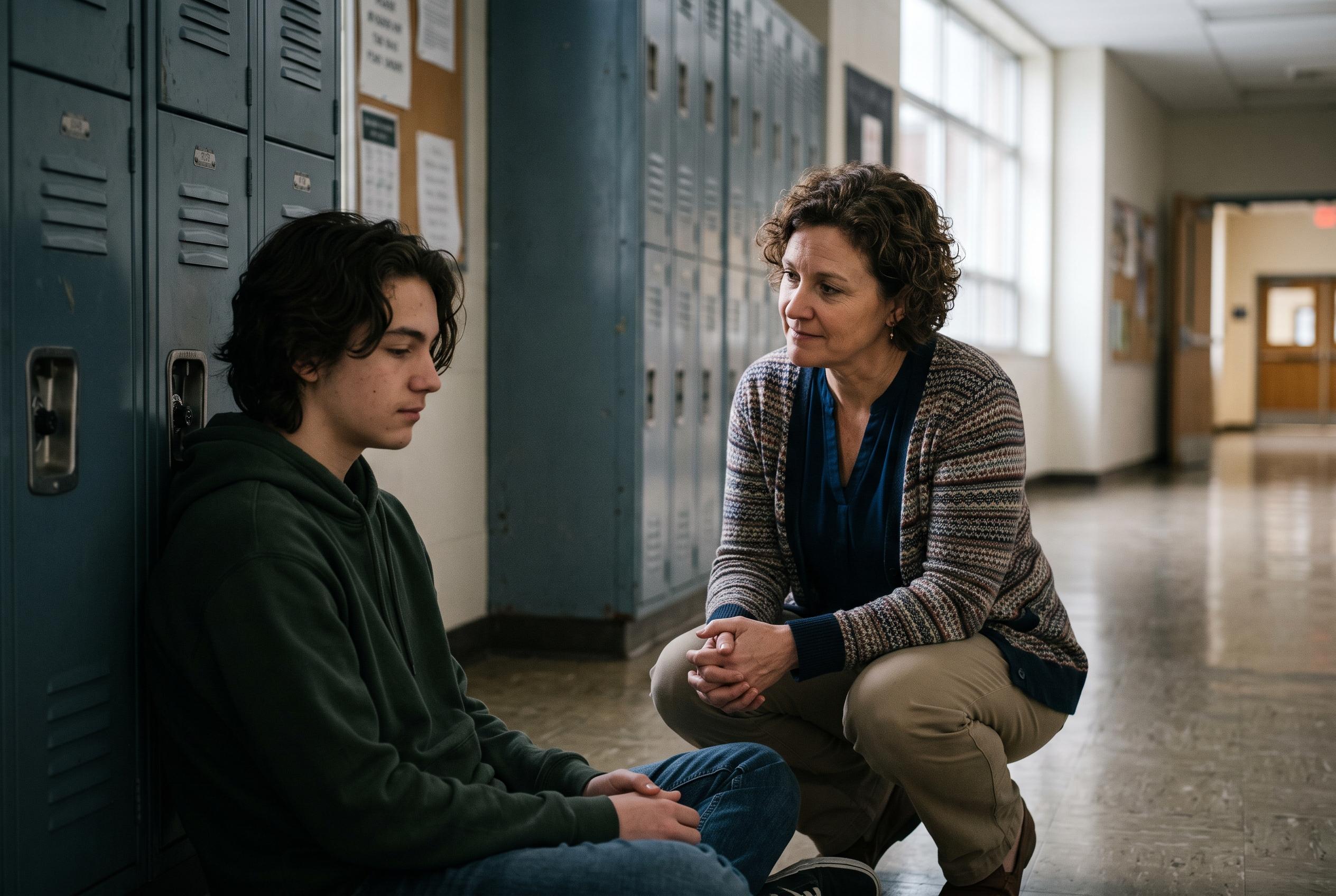
The practical message is straightforward: parents, teachers, coaches and neighbours can help by paying attention, offering encouragement and creating chances for teenagers to belong. The CDC says prevention includes recognising warning signs, reducing risk factors and strengthening supportive ties. For families and schools, that may mean asking more open questions, praising effort as well as achievement, and making it easier for young people to seek help when they need it.
Disclaimer: This content is for informational purposes only and is not intended to be a substitute for professional medical judgment, advice, diagnosis, or treatment.



