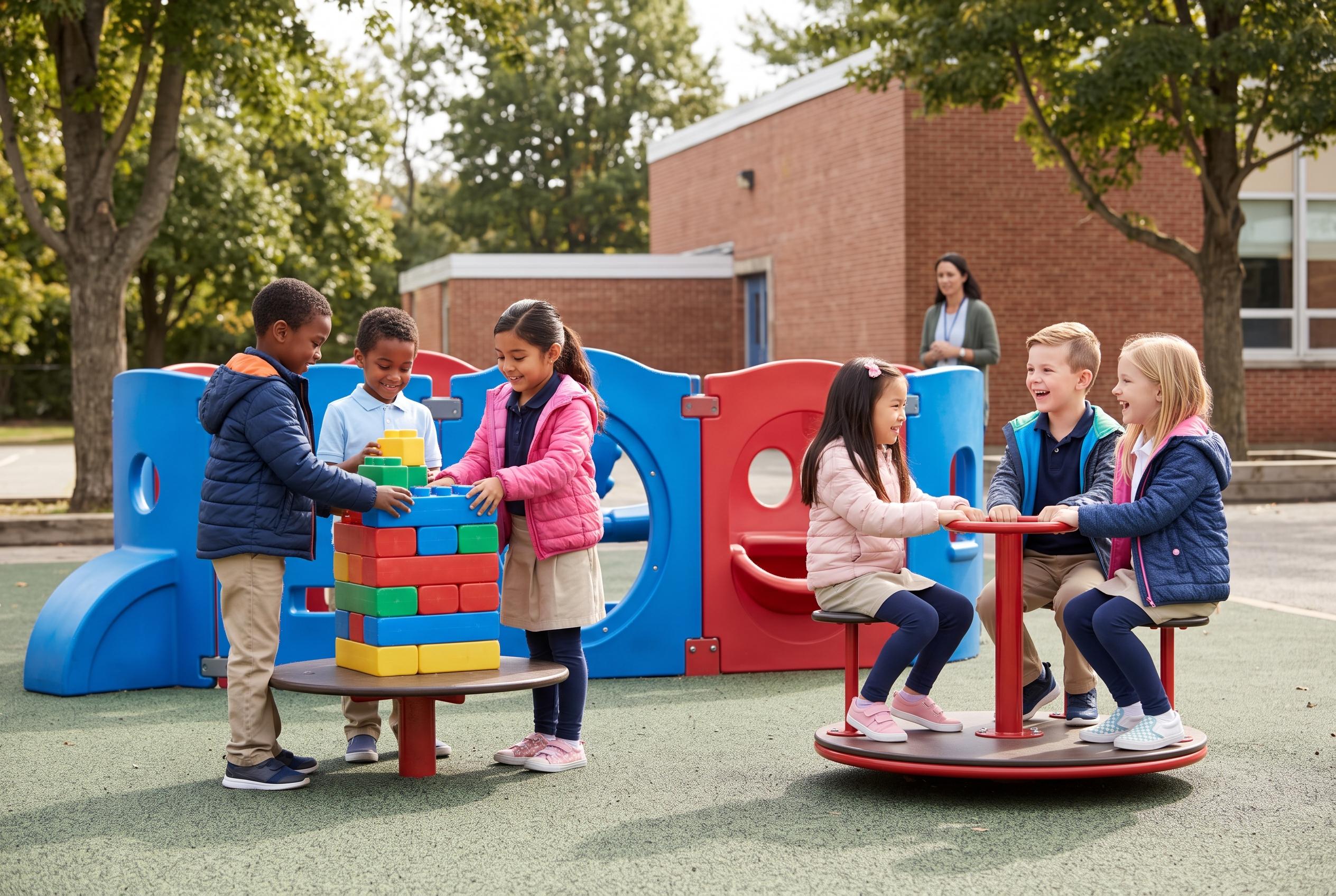

Experts and health authorities are urging schools to preserve recess time, employing alternative disciplinary measures that promote physical activity, social skills, and better classroom behaviour, challenging traditional punitive approaches.
Recess is more than a break in the school day.It is a chance for children to move, reset and practise the social skills that are harder to learn at a desk. The Inspired Treehouse argues that schools should stop treating it as a privilege to be withdrawn, and the American Academy of Pediatrics has warned that removing recess for disciplinary or academic reasons can work against the very outcomes schools want to improve.
That view is backed by public-health guidance. The Centres for Disease Control and Prevention says recess supports physical activity, concentration, memory and classroom behaviour, while also helping children learn how to share, negotiate and regulate emotions. In other words, the students most likely to lose recess are often the ones who may benefit from it most, which can trap schools in a cycle of misbehaviour, punishment and further disruption.
Rather than taking away play, The Inspired Treehouse suggests consequences that still keep children moving. Those options include walking laps with a teacher, helping to clean playground equipment, doing garden work, completing motor or sensory tasks, or taking on an indoor movement job on wet days. Other approaches are more targeted: limiting a favourite piece of equipment for one recess, using screen time instead, or setting up a chalk-drawn “break space” where a child can move in a structured way before returning to play.
Playworks and Chicago Public Schools have promoted similar ideas, including reflection, restorative conversations, added responsibility and problem-solving with the child. The broader shift is away from punishment that removes physical activity and towards discipline that teaches better behaviour without denying the developmental benefits of recess. That approach, advocates say, preserves the routine, the movement and the peer interaction that help children return to class ready to learn.
Disclaimer: This content is for informational purposes only and is not intended to be a substitute for professional medical judgment, advice, diagnosis, or treatment.