

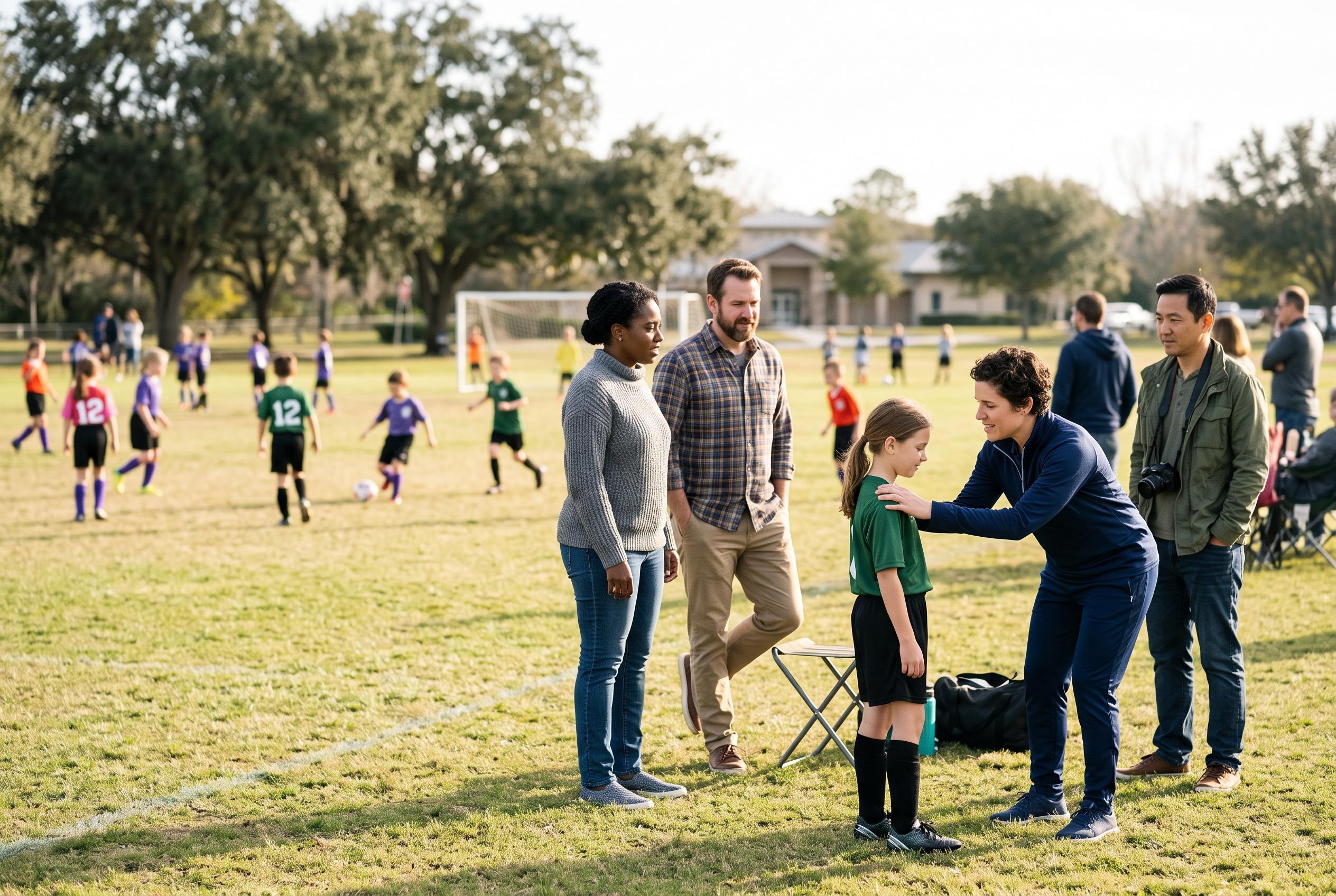

The US Center for SafeSport has issued a six-point checklist urging families, coaches and young athletes to spot warning signs, encourage early conversations and respond quickly to bullying.
The U.S. Center for SafeSport is urging parents to take a more active role in stopping bullying in youth sport, with a six-point checklist aimed at making teams safer and more welcoming for children. The guidance is designed for families, coaches and young athletes, and centres on early conversations, clearer expectations and quicker responses when behaviour crosses the line.
At the heart of the advice is simple communication. SafeSport recommends that parents talk with children about what bullying can look like, how it can affect a team and why it is important to speak up if something feels wrong. It also suggests building a plan with a coach so that players understand team rules and know what should happen if a problem arises. The organisation says regular check-ins, whether after practice or at the dinner table, can make it easier for children to share concerns before they grow into bigger issues.
SafeSport also tells parents to watch for changes in behaviour that may signal a child is struggling, either as a target of bullying or as someone acting out in harmful ways. Its checklist encourages families to learn the warning signs and to help older children understand how to step in safely if they see a teammate being mistreated. The centre points parents towards its guidance on the “5 Ds of Bystander Intervention”, which outlines ways to respond without escalating risk.
If bullying does happen, SafeSport advises adults to stay calm and focus on the child’s needs rather than reacting in anger. The organisation says coaches are in a strong position to notice bullying early, interrupt it and set the tone for respectful conduct. In its wider guidance on preventing abuse and misconduct in sport, SafeSport stresses clear expectations, positive modelling and immediate action when rules are broken, underscoring the idea that a healthy team culture is built through consistent adult behaviour as much as through athlete education.
Disclaimer: This content is for informational purposes only and is not intended to be a substitute for professional medical judgment, advice, diagnosis, or treatment.



