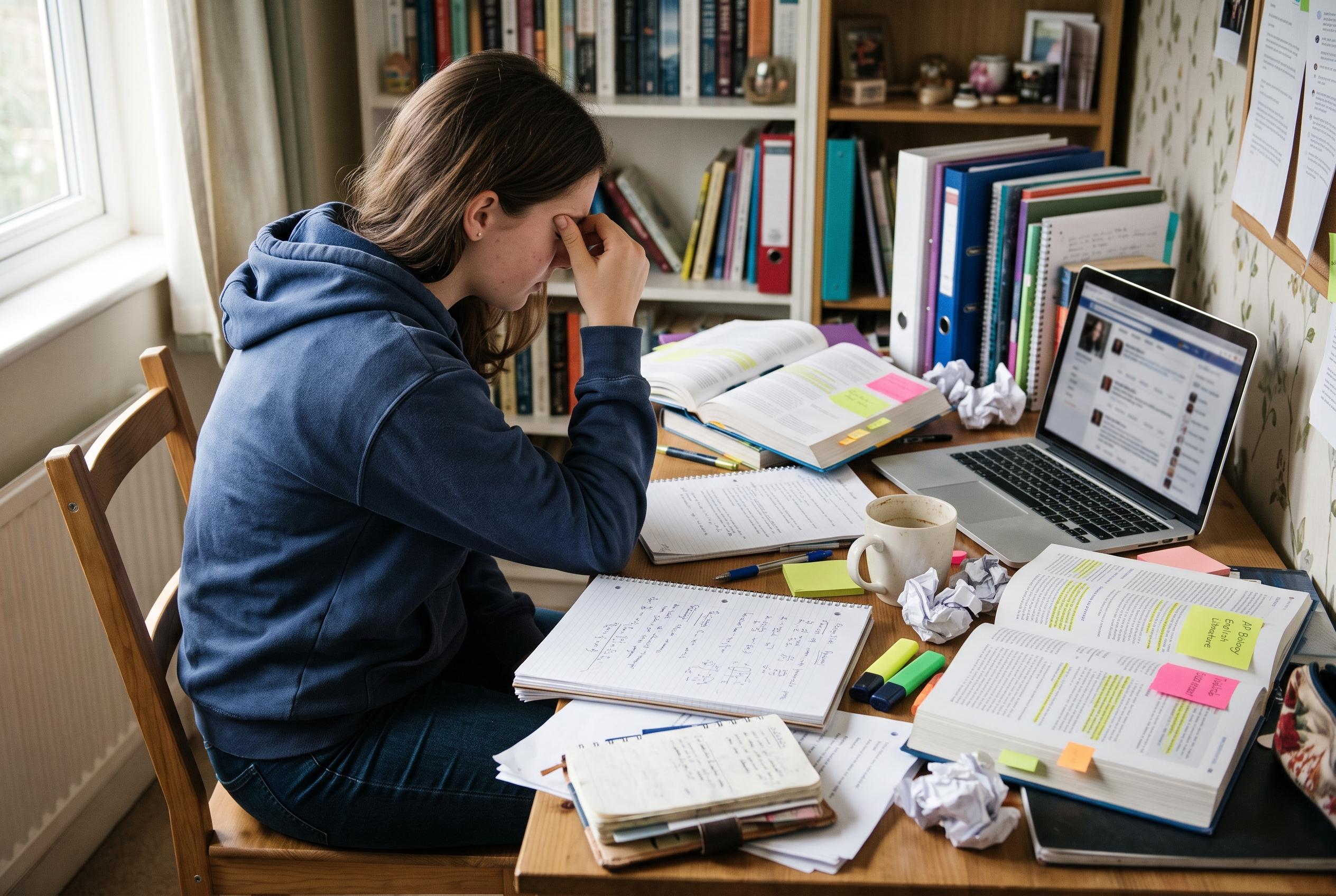

As the new school year begins, experts warn that teenage anxiety is surging, driven by academic stress, social scrutiny, and digital pressures, with perfectionism playing a key role. Parents are advised to recognise subtle warning signs and foster open conversations to support vulnerable adolescents.
Parents heading into the new school year are being urged to watch for more than the usual nerves in their teenagers. Anxiety among adolescents has become increasingly common, and clinicians say it can be driven by a mix of academic pressure, social scrutiny, social media and fears about the future. One of the clearest themes is perfectionism: some teenagers are not simply trying hard, but feel they must excel at all times.
The signs are not always obvious. According to clinicians cited by Woman’s World, anxiety in teenagers often shows up as physical complaints, trouble concentrating, withdrawal from friends and activities, harsh self-criticism, slipping school performance, visible tension and mood swings. That can mean stomachaches, headaches, muscle tension, insomnia, fatigue or a sudden loss of appetite, as well as crying spells or angry outbursts. Johns Hopkins Medicine says teens may also seem restless, fearful or overly worried, while the American Academy of Child and Adolescent Psychiatry notes that irritability and vigilance can be part of the picture too.
Experts say the pattern matters more than any single symptom. A bad week, a sore stomach or a low mood does not by itself point to an anxiety disorder, but several warning signs that linger for weeks should prompt attention. Research published in the journal Anxiety, Stress, & Coping found that adolescents with stronger perfectionistic concerns were more likely to see anxiety symptoms rise over time, reinforcing the link between relentless self-pressure and emotional strain.
Parents are advised to open the conversation with care rather than criticism. Harvard Medical School psychologist Jacqueline Sperling has suggested that adults describe what they have noticed and invite a teenager to talk, instead of framing the exchange as an accusation. Johns Hopkins Medicine recommends acknowledging fears, listening without immediately shutting them down and helping teens take small steps towards situations they are avoiding.
Health professionals also say school avoidance usually makes anxiety worse, not better. Dr. Molly O’Shea, a paediatrician quoted by KOAT7, said even partial attendance is preferable to staying home, because repeated absences can strengthen the fear response. At home, clinicians recommend steady routines, enough sleep, regular meals, physical activity and daily time without distractions for real conversation. If anxiety keeps interfering with daily life, parents are urged to seek help from a paediatrician, counsellor or school mental health service.
Disclaimer: This content is for informational purposes only and is not intended to be a substitute for professional medical judgment, advice, diagnosis, or treatment.