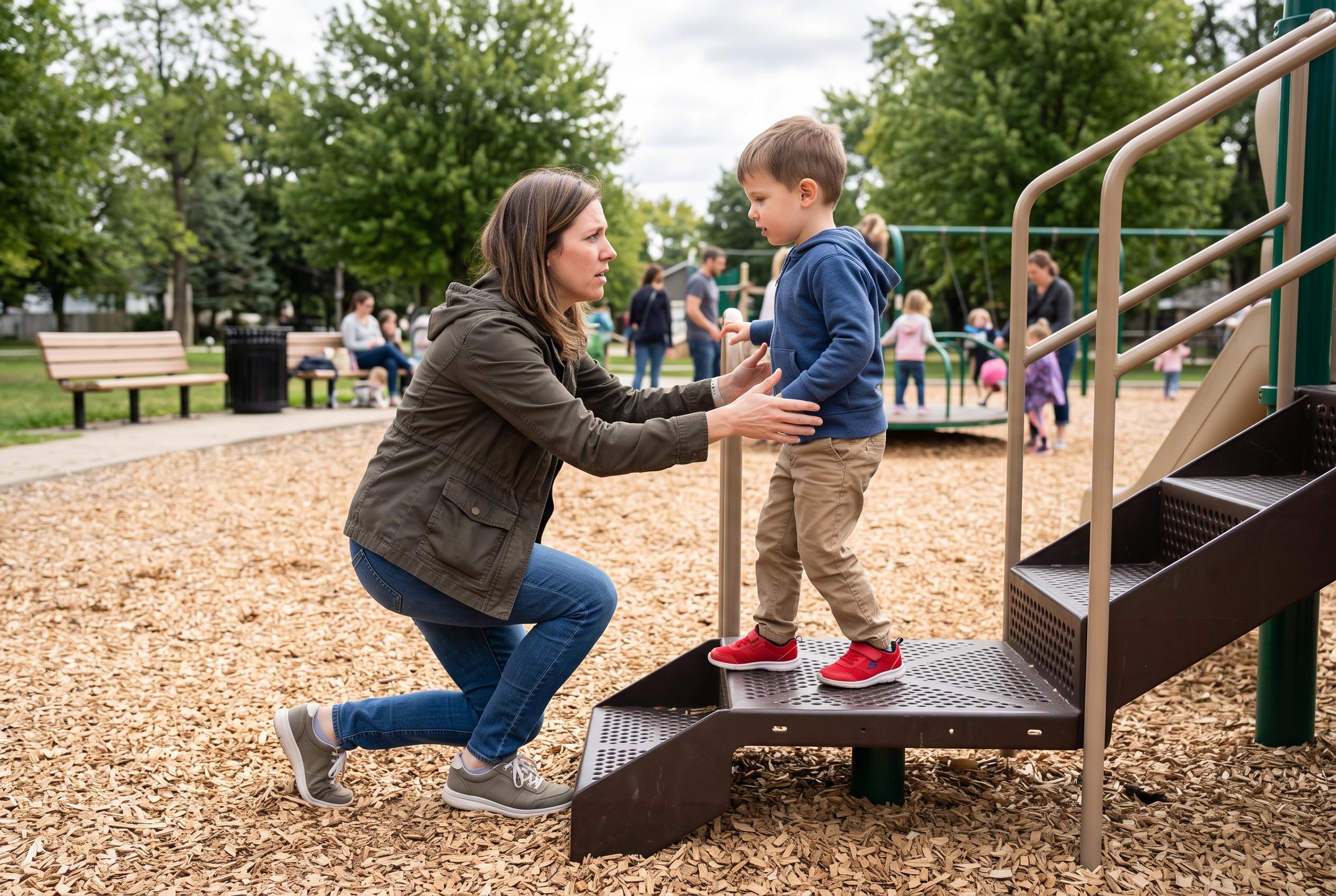

Experts warn that extensive parental involvement, once deemed a sign of devotion, may hinder children’s emotional and social growth, highlighting the need for balanced support to foster resilience.
Helicopter parenting, once seen as a sign of devotion, is increasingly being reassessed as a habit that can do more harm than good. The term refers to parents who stay excessively involved in a child’s decisions, routines and setbacks, often with the aim of preventing disappointment or failure. But child development experts say that constant hovering can slow the growth of independence, confidence and problem-solving skills.
According to WebMD, children who are not given enough space to tackle age-appropriate challenges may progress more slowly socially and academically, while also facing a greater risk of anxiety and depression. Healthline similarly describes helicopter parenting as hyper-involvement driven by parental fear, warning that it can leave children with low self-esteem, weak coping skills and a heavy reliance on others. Cleveland Clinic says the pattern can also affect emotional and behavioural regulation, which matters because children who manage emotions well tend to do better in school and in relationships.
That concern is echoed by Mass General Brigham, which says well-meaning monitoring can delay emotional development and undermine mental health. The organisation notes that overprotected children may struggle to handle adversity, while UCLA Health says too much control can interfere with academic, psychological and social growth. Its guidance is straightforward: children need chances to fail, make mistakes and recover on their own if they are to develop into resilient adults.
Some newer reporting suggests the issue is widespread. Worldmetrics says more than half of parents monitor their high school children’s social media for academic purposes, while 58% of young adults describe their upbringing as overprotected. The report also links that style of parenting to higher stress, more academic burnout and weaker independence. Taken together, the research points to a simple conclusion: support matters, but so does restraint.
Disclaimer: This content is for informational purposes only and is not intended to be a substitute for professional medical judgment, advice, diagnosis, or treatment.