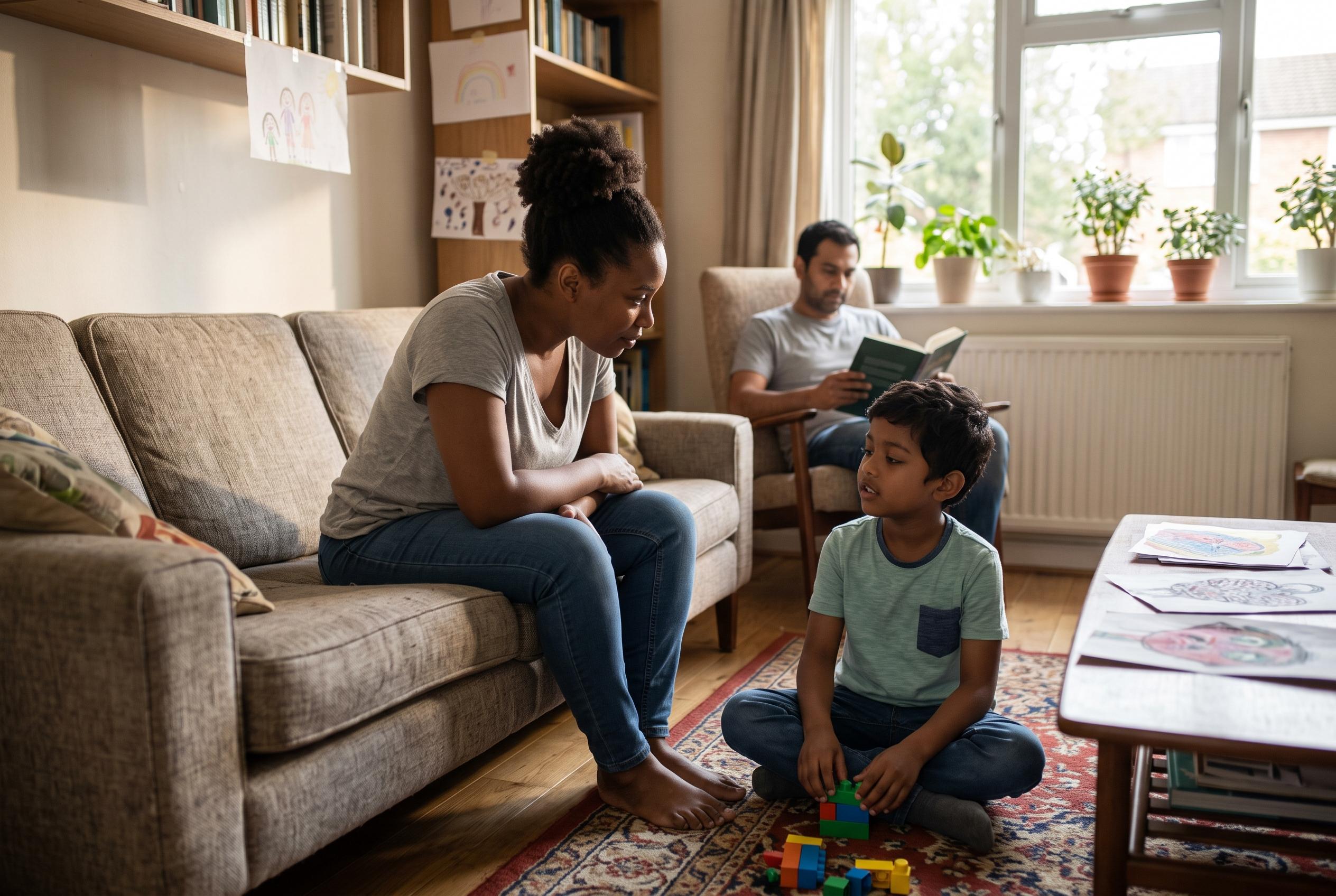

Educational specialist Dr Fatima Al Marashda warns that denial of behavioural issues in children can hinder early intervention, emphasising the importance of acceptance and timely support for lifelong wellbeing.
When a teacher, specialist or relative notices unusual behaviour in a child, the first response is often denial. Dr Fatima Al Marashda, an educational specialist, argues that this instinct can be damaging because it shifts attention away from what the child may need and towards what adults are afraid others might think.
The core problem, she suggests, is not that a child has difficulty, but that the difficulty is ignored. Children do not usually feel shame about being different at the outset; they learn it from the reactions of the adults around them. When they are met with acceptance and a genuine effort to understand their needs, they are more likely to build confidence and cope better with challenges.
That view is echoed by medical guidance on child development. The American Academy of Pediatrics recommends developmental surveillance at every well-child visit and the use of validated screening tools at specific ages, because delays can point to underlying health concerns and earlier support can bring both immediate and lasting gains. A systematic review in BJPsych Open also found that difficulties in parent-infant interaction can be observed early and may signal later mental health risks, underlining the value of intervention before problems become entrenched.
Al Marashda’s message is that diagnosis is not a verdict on a child’s future. It is the start of understanding, support and planning. A child who needs therapy, behavioural support or special education is not less capable or less valuable than any other. The real question, she says, is whether adults are protecting the child’s wellbeing or merely protecting their own image.
Disclaimer: This content is for informational purposes only and is not intended to be a substitute for professional medical judgment, advice, diagnosis, or treatment.