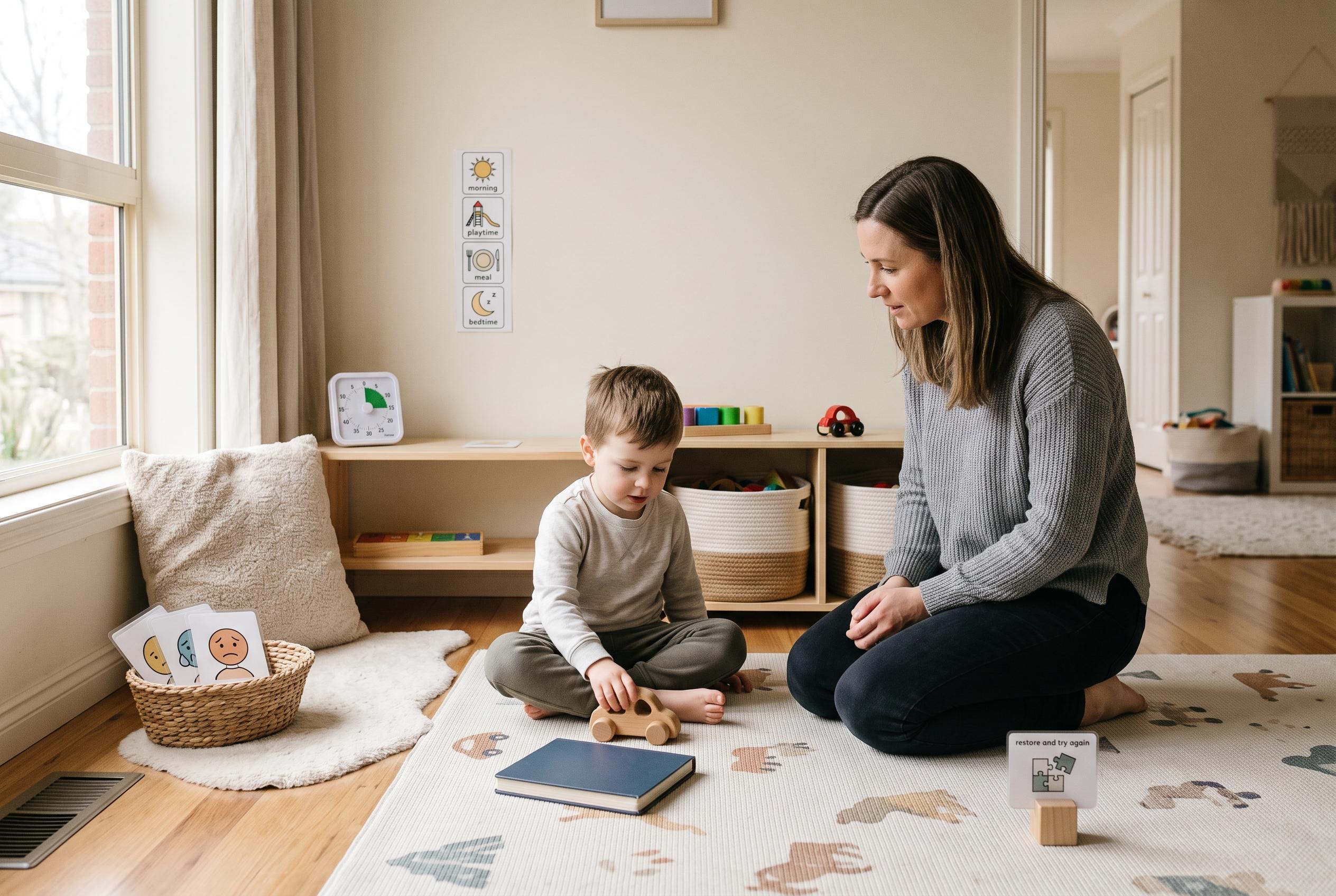

Seven years of experience in child psychology reveal that common disciplinary practices like spanking, shaming, and inconsistent rules may harm long-term child well-being. Experts advocate for calmer, predictable, and developmentally appropriate strategies to build trust and foster genuine cooperation.
Seven years of working with families on behaviour and development has left one lesson unchanged: the discipline habits that worry clinicians most are often the ones parents reach for when they are tired, stressed and trying to restore order quickly. They are usually not malicious. They are improvised. But many of them may calm a room in the moment while quietly weakening the very things parents say they want most: trust, self-control and cooperation.
One of the clearest examples is spanking. Research has repeatedly linked physical punishment with poorer child outcomes, including problems in cognitive, social-emotional and motor development. A meta-analytic review in PubMed that examined 111 effect sizes across 160,927 children found that 13 of 17 average effect sizes pointed to a higher risk of harmful outcomes. Other studies have associated spanking with greater aggression, worse mental health and more strained parent-child relationships, while a 2025 report on research in lower- and middle-income countries found similarly negative effects on health, school performance and social-emotional development.
The same concern applies to shaming, humiliating and yelling. The American Academy of Paediatrics has urged parents to stop using spanking, insults, threats, humiliation and shaming, arguing that these tactics do little to teach long-term behaviour change. They may stop a child in the moment, but they often teach avoidance rather than understanding. A child who is embarrassed is more likely to hide mistakes than to learn from them.
Consistency matters just as much. Rules that change depending on a parent’s mood or energy level do not create structure; they create bargaining. Children quickly learn which limits are real and which are negotiable. Many parenting specialists say it is better to keep a small number of rules and enforce them predictably than to set a large list that disappears whenever the day gets hard.
The same is true of threats that are never meant to be carried out. A child who is told, repeatedly, that some dramatic consequence will happen and then sees it vanish begins to discount the parent’s words. Smaller, realistic consequences carry more weight because they are believable. So does giving a child a reason for the consequence, which helps turn discipline from simple compliance into learning.
How discipline is framed also matters. Labelling a child as “lazy” or “difficult” can harden behaviour into identity, whereas naming the behaviour keeps change possible. Likewise, comparing one child with a sibling or classmate rarely produces genuine motivation; it more often creates resentment and a sense that worth is being measured against someone else. Children usually respond better when adults compare them with their own past behaviour and progress.
Developmental expectations are another common trap. A three-year-old cannot be expected to regulate emotions in the same way as an older child, no matter how often an adult tells them to “calm down and use your words”. Brains mature gradually, especially the systems involved in impulse control and emotional regulation. Good discipline works with that reality rather than pretending it does not exist.
Then there are the more subtle mistakes, such as turning time-out into an angry exile or withdrawing affection to force compliance. Used calmly and consistently, time-out can function as a reset; used emotionally, it becomes another punishment. And when warmth is withheld until a child “earns it back”, the message can become unsettlingly clear: love itself is conditional. That may secure obedience, but it rarely builds security.
None of this means parents are failing if they recognise themselves in these habits. Most people learned them somewhere. The point is not blame, but adjustment. Families often find that once discipline becomes calmer, more predictable and more developmentally grounded, children argue less, relationships improve and the house feels less like a battlefield.
Disclaimer: This content is for informational purposes only and is not intended to be a substitute for professional medical judgment, advice, diagnosis, or treatment.