
Experts warn that over-protecting children from distress may hinder their ability to develop coping skills, advocating for measured opportunities to experience discomfort and build independence as the new school year begins.
As the new school year approaches, child specialists increasingly caution that the urge to soothe children at every sign of distress can sometimes make adjustment harder, not easier. In a Psychology Today essay, the writer argues that young children often need more than reassurance: they need carefully measured opportunities to tolerate discomfort, discover new routines and learn that separation or uncertainty does not mean they are unable to cope.
The piece centres on Ollie, a 4-year-old who was new to school and spent much of his day in the arms of an assistant, Marta, or beside her in a quiet corner. He was not refusing care so much as clinging to it. But after weeks of one-to-one support, he still had not joined group time or played independently with other children. The author says the adults were treating distress as proof of incapacity, when in fact the child may simply have needed space to practise adapting.
That distinction matters, the article suggests, because over-helping can unintentionally teach a child that comfort must come from an adult before anything else can happen. Similar concerns have been raised in earlier Psychology Today pieces on reducing parental accommodation, which note that repeatedly stepping in to soften anxious moments can reinforce avoidance rather than build coping skills. Children’s hospitals have made a related point in guidance on overscheduling and sensory sensitivities, saying that both constant activity and constant intervention can crowd out the downtime and independence children need to develop confidence.
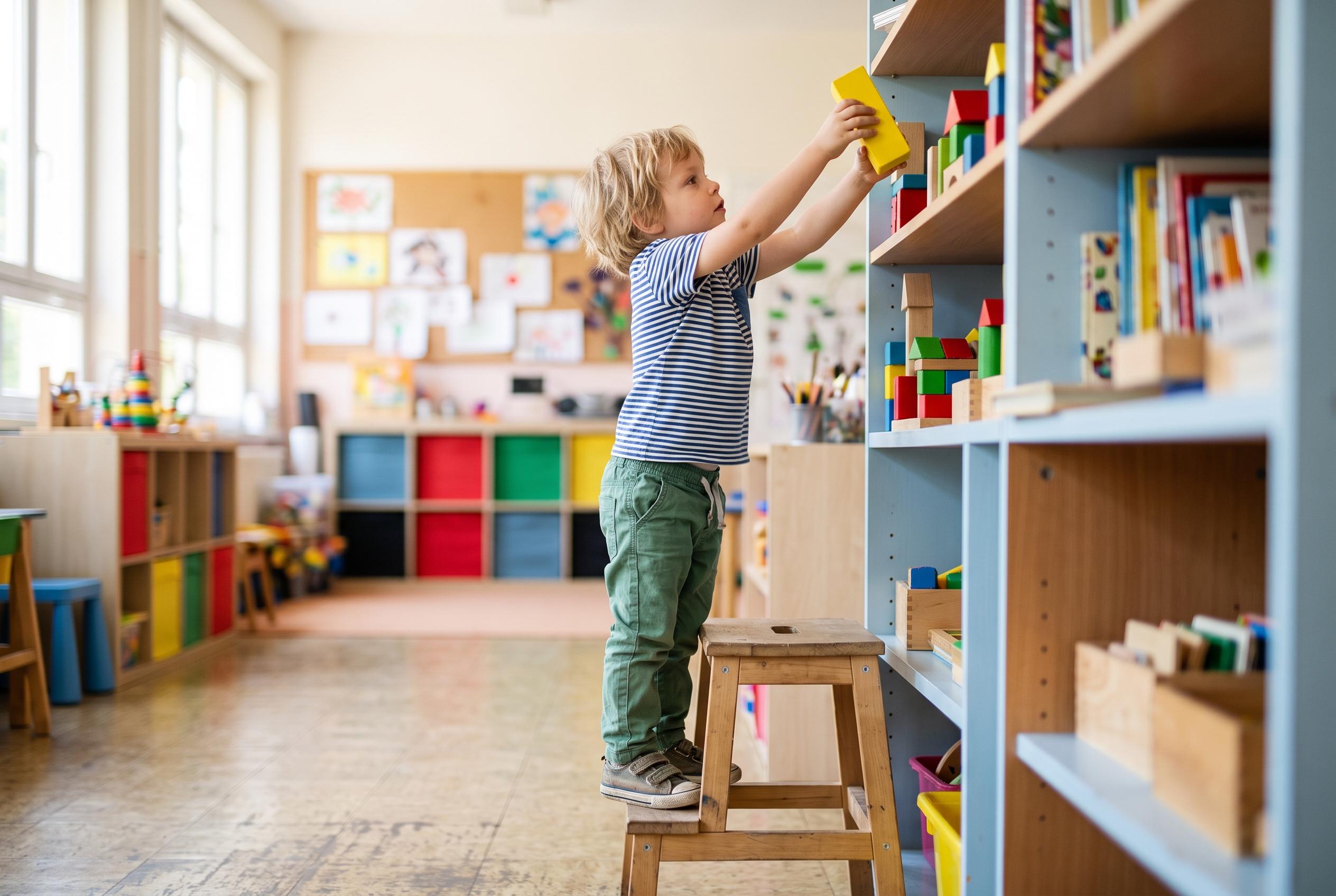
In Ollie’s case, the adults changed course. Marta gradually stepped back, telling him she would join the group and inviting him to come when he was ready, without cajoling or pressure. She shifted her attention towards activities he already enjoyed, such as building with blocks, and allowed him to approach on his own terms. Within days, he began edging closer to group activities, joined circle time shortly afterwards and then moved into the classroom centres. The message, the writer argues, was not that adults had abandoned him, but that they believed he could manage the challenge.
The same logic is applied to a second example, Josie, who clings to her mother at taekwondo drop-off despite loving the class. Here, too, the article says more reassurance only intensified the struggle. A calmer, firmer handover plan worked better: the mother explained what would happen, the instructor took over and the child was given time to settle. Josie eventually joined in and returned delighted. The broader lesson, the author writes, is that the most caring response is not always to remove every feeling of distress, but to help children discover they can move through it.
Disclaimer: This content is for informational purposes only and is not intended to be a substitute for professional medical judgment, advice, diagnosis, or treatment.