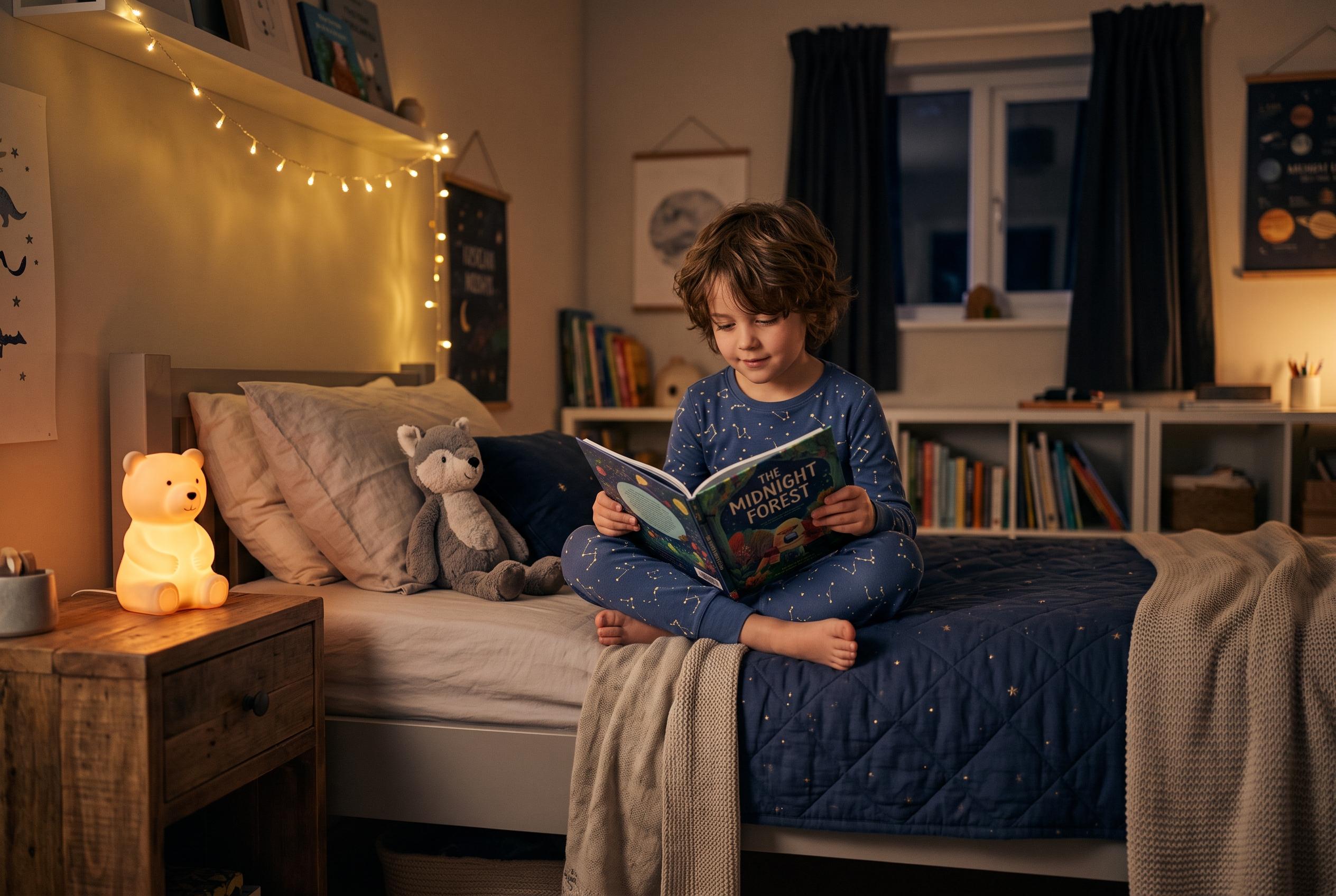

With nearly half of U.S. children not getting enough sleep, experts advocate for behavioural and environmental strategies over supplements, emphasising routine, lighting, and calming sensory aids to promote healthier sleep patterns.
Parents searching for help with a child’s bedtime battles are facing a problem that is far from rare. The National Sleep Foundation says nearly half of U.S. children do not consistently get the sleep recommended for their age, a finding echoed by the Centers for Disease Control and Prevention, which says short sleep is widespread across age groups and varies by state and background. Sleep matters not just for rest, but for learning, mood, growth and behaviour, which helps explain why so many families end up looking beyond simple reassurance for answers.
Melatonin is often the first product parents consider, but many paediatricians urge caution. According to the National Sleep Foundation and clinical guidance cited by the Mayo Clinic Health System, the better starting point is usually a mix of routine, environment and behaviour changes rather than supplements. That approach reflects a broader concern: melatonin is widely used, yet its long-term effects in children remain less clearly established than many families realise.
The most effective step is often the least glamorous. A predictable wind-down sequence, repeated in the same order each night, can help a child’s body recognise that sleep is near. That might mean a bath, teeth brushing, a book and quiet time in dim light. Health systems such as the Mayo Clinic and Cleveland Clinic also stress the importance of age-appropriate sleep schedules, screen limits and a bedroom that is cool, dark and calm. Even small adjustments, such as turning screens off earlier and using blackout curtains, can make bedtime less of a struggle.
Gentle, melatonin-free aids can add support without replacing those foundations. Chamomile tea or warm milk may work as much through ritual as chemistry, while magnesium-rich foods such as leafy greens, bananas, pumpkin seeds and almonds can be part of a bedtime meal. Aromatherapy stickers, including NatPat’s SleepyPatch, are another option gaining attention. The company says they use essential oils and the sense of smell to encourage relaxation through the nose-to-brain pathway. The idea is not to sedate children, but to create a calming cue that fits alongside the rest of the bedtime routine.
That layered approach is what sleep experts and paediatric guidance tend to favour: no single product is likely to fix the problem alone. But when routine, lighting, room temperature, food choices and calming sensory tools all point in the same direction, the result can be a more settled child and a less stressful evening for everyone in the house. For many families, that makes melatonin-free options less of a workaround than a sensible first line of defence.
Disclaimer: This content is for informational purposes only and is not intended to be a substitute for professional medical judgment, advice, diagnosis, or treatment.