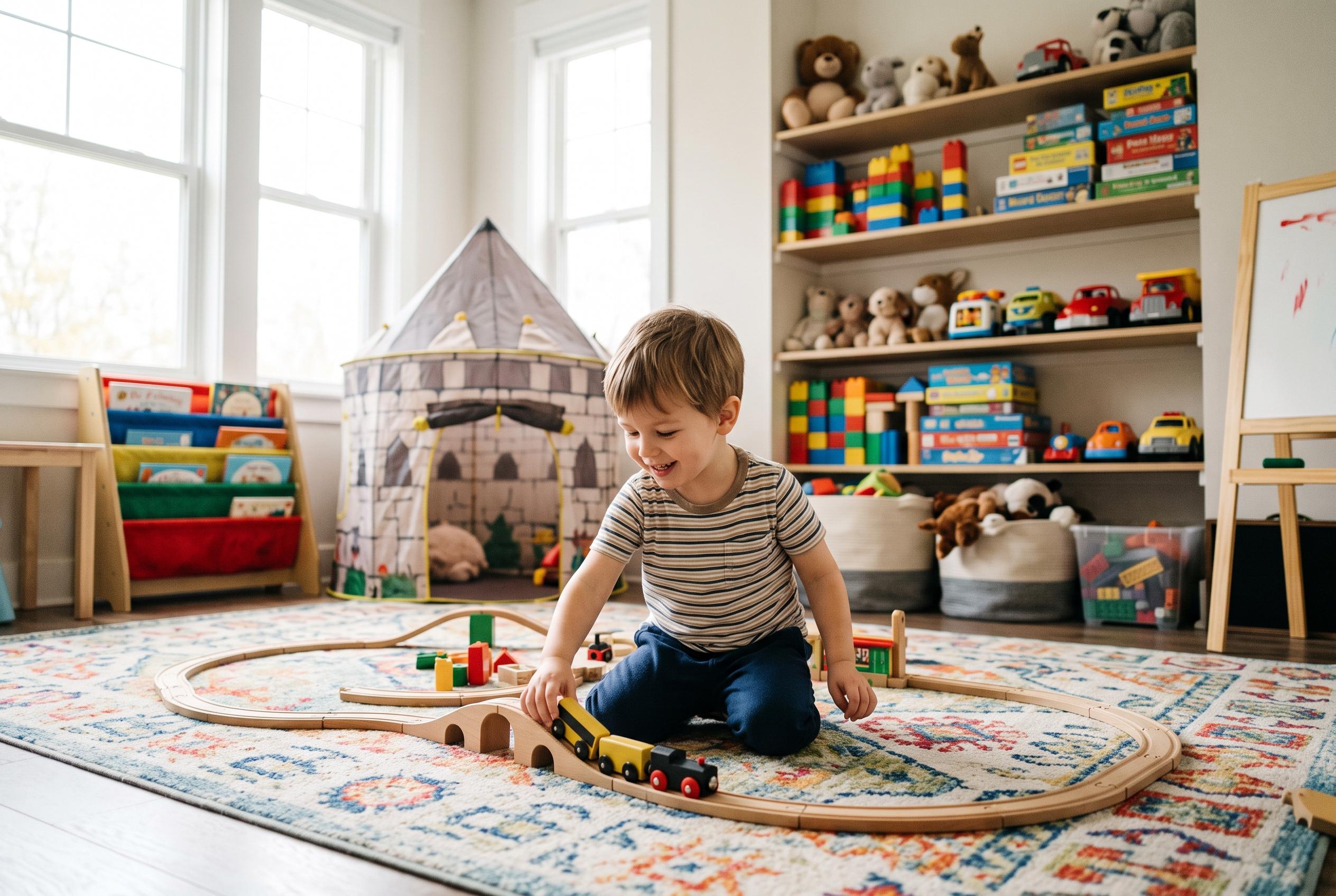

New study from the University of Georgia shows that children who prefer to play alone are often socially content and not necessarily lonely, challenging common assumptions about childhood solitude.
New research suggests that a child who prefers to play alone is not necessarily lonely or unhappy. According to a report by the science platform EurekAlert, researchers from the University of Georgia found that solitude can sit alongside strong friendships and a healthy sense of belonging at school.
The study examined 473 pupils aged 9 to 11 in primary schools in Georgia and looked at how they related to classmates, how satisfied they were with their friendships and whether they felt part of their classroom community. The findings, as summarised in PubMed and in a related paper in Scientific Reports, indicate that children who enjoy time alone can still be socially content if they maintain positive relationships and feel connected to their school environment.
The researchers also drew a clearer distinction between chosen solitude and social withdrawal. A separate longitudinal study indexed by PubMed found that children with symptoms of attention-deficit/hyperactivity disorder were more likely to become socially isolated over time, suggesting that weaker peer belonging can be a warning sign when it is paired with strained friendships or low engagement with classmates.
Taken together, the research points to a simple but important distinction: quiet children are not necessarily troubled children. Experts quoted in the scientific coverage say parents and teachers should avoid assuming that every child who likes to play alone needs constant group activity, and should instead focus on whether the child has a small but stable set of supportive relationships.
Disclaimer: This content is for informational purposes only and is not intended to be a substitute for professional medical judgment, advice, diagnosis, or treatment.